A Milestone for Heavy-Duty Electrification
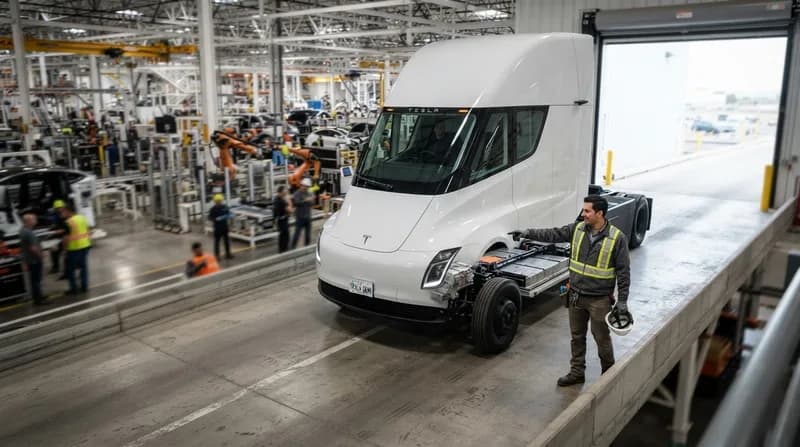
The electric vehicle landscape hit a significant inflection point this week as Tesla officially initiated series-production deliveries of its Semi electric truck. The ceremony, held at a dedicated facility in Nevada, signifies the transition from limited pilot programs to a high-volume manufacturing strategy. Nearly nine years after the initial 2017 unveiling and four years following the first experimental deliveries, Tesla is finally bringing its vision of electrified heavy-duty logistics to the wider commercial market.
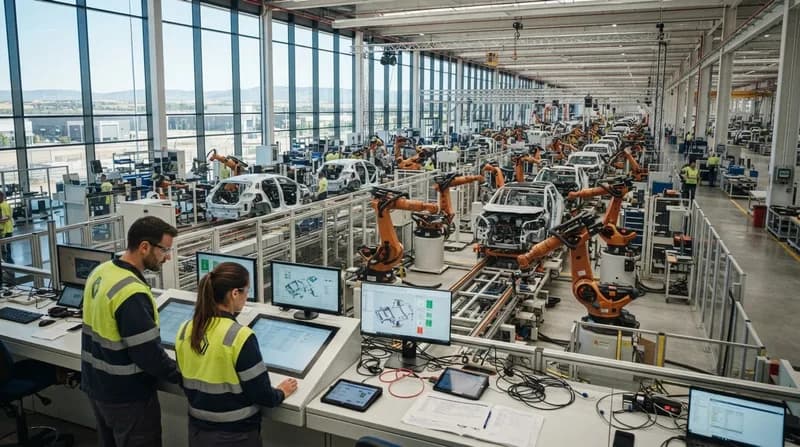
The Nevada facility is a massive undertaking, sprawling across 167,000 square meters. It is purpose-built to handle a capacity of up to 50,000 units per year. Significantly, the plant is designed with flexibility in mind, utilizing a shared production line to assemble both Standard and Long-Range configurations, as well as the specialized variant tailored for the European market. During the event, Tesla leadership emphasized that this site is the cornerstone of their plan to displace diesel-guzzling long-haul trucks with a more efficient, high-performance electric alternative.
Why it Matters
- Commercial Scalability: The shift to series production addresses the single largest skepticism surrounding the Semi: whether it could actually move past the prototype stage and into a standard assembly line.
- Market Pressure: With orders from major industry players like Einride and the 2,500-truck ZET SCALE alliance tender, the pressure is on for Tesla to stabilize its supply chain and output.
- Global Ambitions: By announcing that European-spec vehicles will begin production in Nevada for a 2027 rollout, Tesla is signaling its intent to dominate the international heavy-freight sector.
Strategic Production Challenges
While the start of series production is an undeniable victory for the engineering team, the road ahead remains complex. Tesla has opted to keep its current production rates and pricing structures under wraps, leaving industry analysts to speculate on the company’s ability to meet its massive order backlog. The recent news that Tesla is part of a 2,500-vehicle procurement deal alongside established legacy OEMs like Volvo and Kenworth highlights the competitive nature of the Class 8 market. Every truck that rolls off the Nevada line now carries the burden of proving that the Semi is a viable, cost-effective replacement for traditional fleets.
Tesla's leadership continues to lean into the core value propositions of the vehicle: superior energy efficiency, rapid recharging capabilities, and significantly lower total cost of ownership compared to combustion engines. As the company navigates the ramp-up phase, the industry will be watching closely to see how quickly they can scale to meet the global demand that has been building since the vehicle's initial concept reveal. For now, the successful handover to a dozen new customers serves as the first real proof that the era of the electric long-haul semi has truly arrived.