The Shift Toward Electrification
The European automotive landscape is undergoing a fundamental transformation. New data from the European Automobile Manufacturers’ Association (ACEA) and the International Council on Clean Transportation (ICCT) reveals that electric vehicles (EVs) have reached a significant milestone, accounting for 29.2% of all new car registrations in the European Union, the UK, and EFTA countries as of last month. This surge marks a stark contrast to the previous year, where EVs held a 20.2% market share during the same period.
This upward trajectory is not merely a monthly anomaly. Year-to-date figures confirm a consistent trend, with EVs capturing 23.2% of the market from January through August. As the popularity of battery-electric transport climbs, the dominance of traditional internal combustion engine (ICE) vehicles—specifically gas and diesel models—is rapidly waning. Combustion-powered passenger cars saw their market share drop to roughly 28% through August, signaling a definitive flip in consumer preference that has left legacy manufacturers scrambling to retool their production lines.
The Impact on Legacy Manufacturing
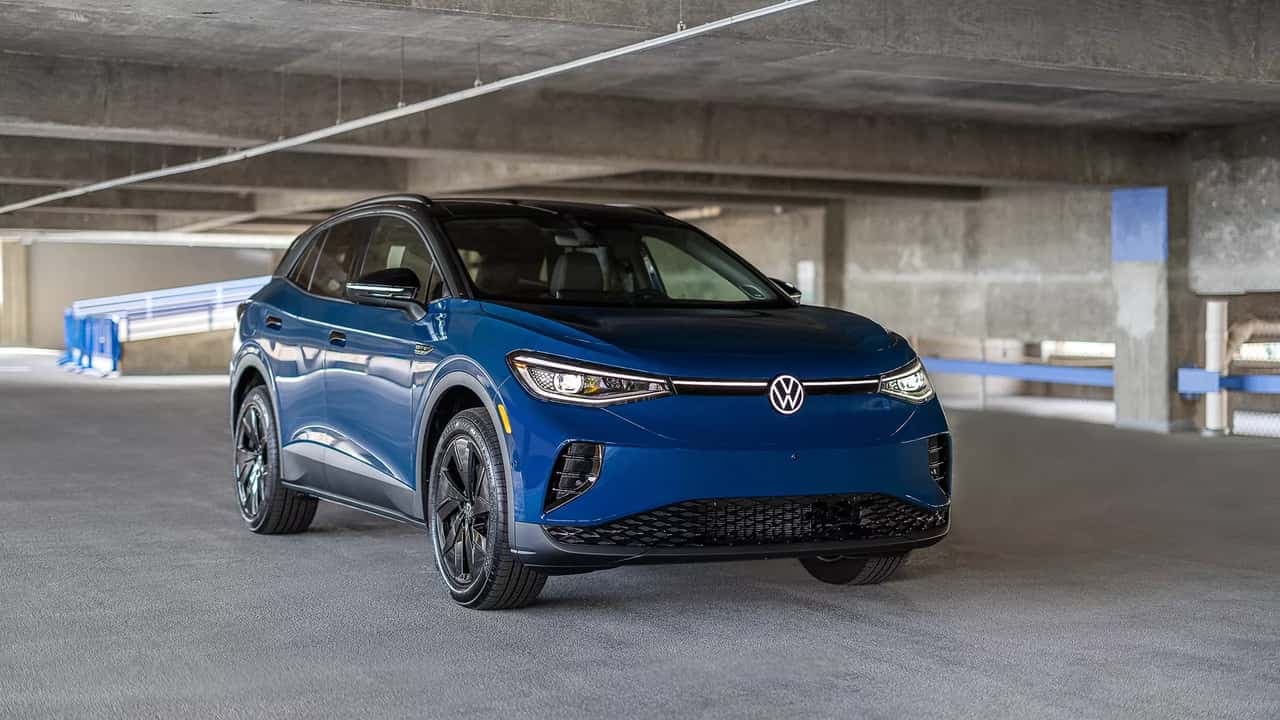
Perhaps the most telling sign of this seismic shift is the strategic pivot at Volkswagen. The automotive giant, headquartered in Europe's largest car market, Germany, has reached a critical tipping point where it is now receiving more orders for electric models than for traditional combustion vehicles. This unprecedented internal demand has forced the company to throttle back ICE production to accommodate the rising manufacturing requirements for its expanding EV lineup, which includes popular compact models like the ID. series.
While internal combustion engines are struggling to maintain relevance, hybrids remain a notable force in the region, capturing 32.8% of the market in August. However, market analysts point out that while hybrids continue to perform well, the velocity of the pure EV transition is significantly higher, suggesting that the long-term future of European mobility is anchored in battery-electric technology rather than intermediate hybrid solutions.
Regional Leaders and Market Leaders
Success in the EV sector is not distributed evenly across the continent. Norway continues to serve as the global benchmark for electrification, with an astonishing 98% of new vehicle registrations being electric from January to August. Other Nordic nations are following closely: Denmark reports 82% adoption, while Finland, Iceland, and Sweden maintain strong figures at 50%, 47%, and 43% respectively. Conversely, southern and eastern regions, such as Croatia, remain in the early stages of adoption with only 4% market share, highlighting a disparity in infrastructure and economic incentives that remains a key focus for EU policy regulators.
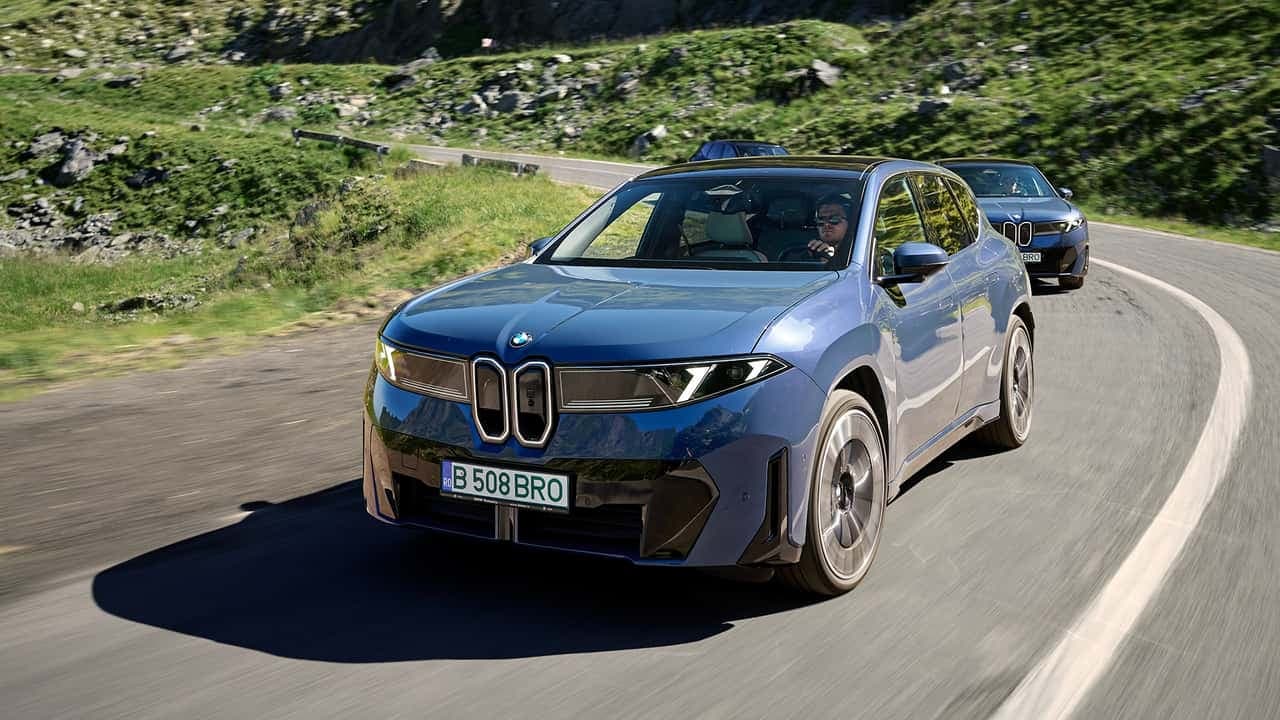
Among individual manufacturers, the BMW Group has emerged as a frontrunner in the transition. Through strategic hardware updates and the high market acceptance of its iX3 crossover, BMW achieved a 30% EV sales mix year-to-date—a notable 10-percentage-point increase compared to its performance during the same period last year. This success underscores that for legacy brands, the transition to EVs is not just a regulatory necessity, but a viable, high-growth business strategy.
Why It Matters
- Public Health: Replacing combustion vehicles with EVs in dense urban corridors is directly linked to improved air quality and significant public health benefits.
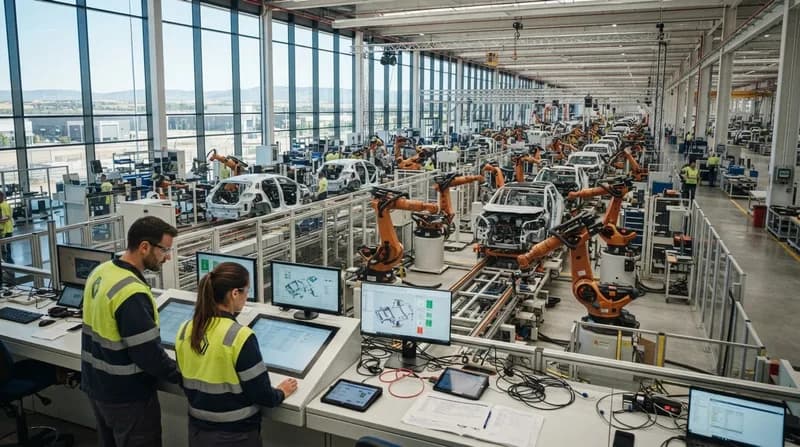
- Manufacturing Reallocation: Companies like VW are physically restructuring factories to prioritize battery-powered platforms over gas engines, cementing the future of the automotive workforce in EV technology.
- Market Viability: The rapid rise in EV sales shows that consumers are increasingly comfortable with battery technology, provided there is a diverse range of models and competitive pricing.