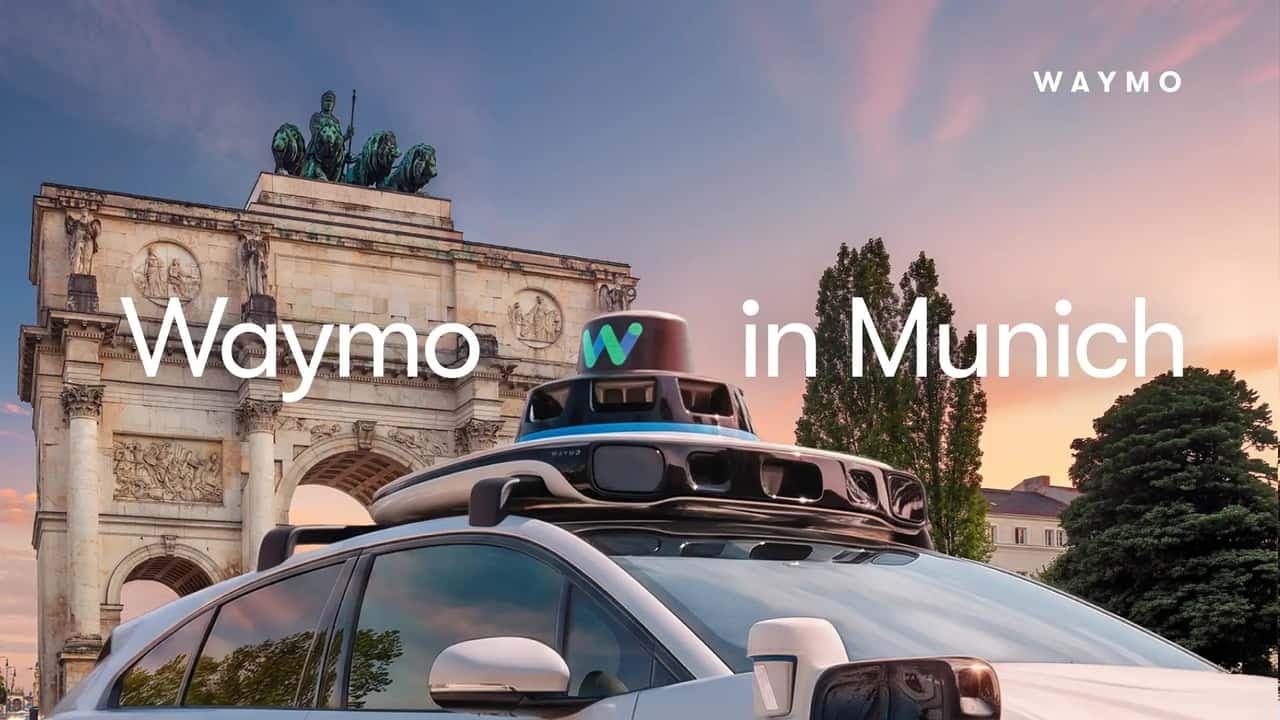
Waymo announced its entry into Germany with plans to start mapping the streets of Munich shortly. The autonomous vehicle pioneer aims to collect data on the city’s unique driving conditions and street network before officially launching services.
Beginning in the next few weeks, Waymo will deploy its vehicles in Munich, though they will initially be manually operated by trained specialists. This move aligns with Waymo's strategy to expand its operations internationally, following its successful robotaxi services in various U.S. cities.
Key Developments
- Location: Munich, Germany
- Initial Phase: Mapping streets manually, starting in the coming weeks
- Launch Timeline: Commercial robotaxi service planned for late 2027, pending government regulations
- Local Investment: Commitment to high-skilled job creation and community trust
- Legal Framework: Support from German officials to facilitate the growth of autonomous driving technologies
Waymo's co-CEO, Tekedra Mawakana, emphasized the importance of community trust and investment in local operations. “Munich is a world-class hub for mobility and engineering, and becoming part of this city marks an important milestone in our global expansion,” she stated.
In the realm of regulations, Christian Hirte, a state secretary in Germany’s federal ministry of transport, expressed the government’s ambition to establish Germany as a global leader in autonomous driving. He noted, “Waymo, the world’s leading provider of commercial robotaxi services, has now recognized Germany’s potential as a location offering legal certainty.”
Challenges Ahead
Waymo's transition to the Munich environment will not come without hurdles. The city's dense pedestrian and cyclist networks require a different set of operational guidelines compared to U.S. cities like San Francisco and Phoenix, where its services are commonplace.
As Waymo begins its operations, it must navigate these complex urban dynamics effectively. The acceptance of autonomous vehicle technology in Germany is yet to be seen, making this expansion a critical test of its adaptability in a new market.
This initiative not only marks a pivotal expansion for Waymo but also reflects the growing interest in autonomous driving technologies across Europe. How the German public perceives these advancements will play a significant role in shaping the future of autonomous mobility in the region.