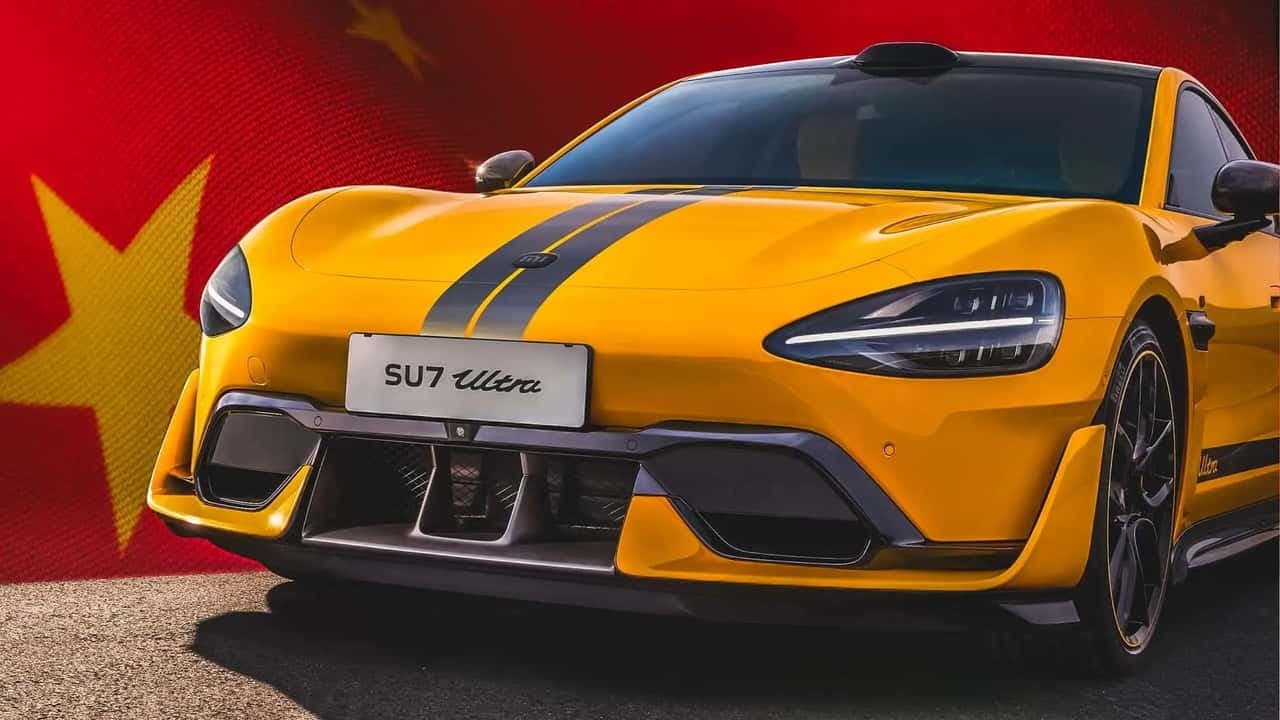
The Policy Rumor Mill
As the date for the upcoming summit between President Trump and Chinese President Xi Jinping approaches, political tensions are simmering regarding the future of the U.S. automotive market. U.S. Senator Elissa Slotkin recently ignited speculation by suggesting, through social media, that the administration might be preparing to soften its stance on Chinese-made electric vehicles as part of a broader trade negotiation. This claim has sent ripples through the industry, creating a buzz of uncertainty for both domestic manufacturers and international competitors.
It is crucial to emphasize that these reports remain entirely unverified. No official policy documents or statements from the White House have confirmed such a pivot, and the administration has maintained a consistently protective stance toward the American auto industry throughout its current term. The rumor appears to be a speculative connection drawn between the upcoming diplomatic visit and the intense global pressure regarding Chinese EV market expansion in regions like Europe, Mexico, and Canada.
The Context of Protectionism
The skepticism surrounding this potential "U-turn" is well-founded, given the current legislative climate in Washington. Senator Slotkin is a vocal proponent of the Connected Vehicle Security Act, a bipartisan piece of legislation that seeks to effectively block the entry of Chinese-designed or manufactured vehicles into the U.S. by 2027. The act targets not only the physical hardware of the vehicles but also the underlying software and connectivity infrastructure, citing significant national security concerns.
Furthermore, the U.S. Department of Transportation has maintained an aggressive posture toward companies seen as "bridging" the gap between Chinese supply chains and American soil. Recent scrutiny directed at Ford for its licensing partnerships with CATL and manufacturing ties in Europe underscores the government's current priority: preventing the proliferation of Chinese technology within domestic transport networks. Given this existing regulatory trajectory, a sudden reversal would represent a monumental departure from established strategic goals.
Why it Matters: The Localization Paradox
Despite the current friction, there is a recurring nuance in the administration's rhetoric: a clear distinction between importing finished goods and localizing production. During earlier appearances at events such as the Detroit Economic Club, President Trump hinted at a potential openness to foreign companies, provided they establish manufacturing plants within the United States. This "build here, hire here" mentality remains the core variable in the debate.
For the average consumer, the uncertainty is palpable. While the prospect of lower-cost, high-performance EVs from international markets remains an attractive thought for technology enthusiasts, the reality remains locked in a complex geopolitical tug-of-war. The upcoming September 24th meeting at the White House will serve as a definitive litmus test for whether the administration views energy and automotive trade as a point of cooperation or one of continued, rigorous isolationism.