1. The Western Market Offensive: SPA2 and SPA3 Platforms
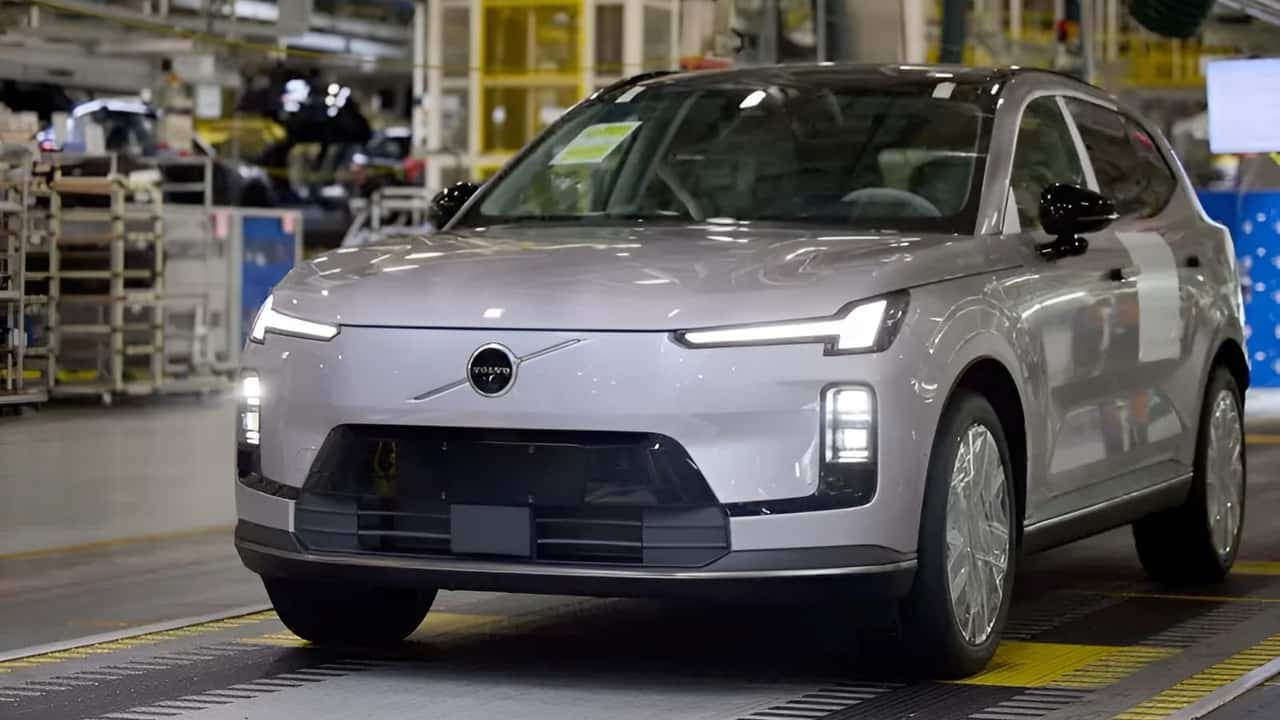
Volvo is embarking on a monumental transformation, announcing the debut of 13 new models by the end of 2030. For the United States and European markets, the focus is squarely on electrification through the deployment of the SPA2 and SPA3 vehicle architectures. The SPA2 platform, which currently supports the flagship EX90 SUV and the upcoming ES90 sedan, is designed to serve as the foundation for the company's premium high-performance electric vehicles. This platform, paired with the newer, more versatile SPA3 architecture—seen in the upcoming EX60 crossover—is central to Volvo’s plan for full electrification in Western territories.
A critical feature of these platforms is the implementation of 800-volt electrical systems, which support industry-leading ultra-fast charging speeds. Beyond raw power, these vehicles are built on the 'HuginCore' computing platform, making them fundamentally software-defined. This allows Volvo to push significant, regular over-the-air (OTA) updates, effectively future-proofing the vehicles and allowing for continuous performance and feature improvements long after they have left the showroom floor.
2. Expanding the Lineup: The EX50 and Beyond
The product pipeline for the West includes a diversified range of body styles intended to capture segments that Volvo has historically dominated. Reports indicate that the automaker is exploring the introduction of a new electric sedan and wagon—potentially reviving the iconic S60 and V70 nameplates—as early as 2028. This move suggests that Volvo intends to maintain its identity as a producer of practical, versatile family vehicles while transitioning entirely to electric powertrains.
Furthermore, rumors regarding an 'EX50' crossover suggest an entry into the high-volume compact electric segment. Designed to be a direct competitor to popular models like the Tesla Model Y, the EX50 aims to bring Volvo’s design language and safety pedigree into a sub-$50,000 price point. By streamlining the sales process with transparent pricing and fast-delivery tiers, Volvo hopes to make this transition as consumer-friendly as possible, aiming to reach an EBIT margin of over 8% by the end of the decade.
3. Strategic Localization: The China-Exclusive Lineup
Recognizing the unique demands of the Asian market, Volvo is developing six additional models specifically tailored for China. These vehicles will utilize localized technology stacks and platforms developed in collaboration with parent company Geely. This strategy allows Volvo to leverage shared supply chains and manufacturing components to mitigate the high costs associated with rapid R&D cycles while still maintaining the distinctive brand experience that customers expect from a Swedish premium automaker.
This regional approach is essential for Volvo’s goal of doubling its global market share. By bifurcating its product development, Volvo can cater to the specific regulatory, connectivity, and performance preferences of Chinese drivers while staying laser-focused on the EV-first transition required for success in the United States and Europe. The collaboration with Geely underscores the necessity of scale in the modern automotive landscape, where shared platforms are no longer optional, but vital for survival.
Why It Matters
Volvo’s ambitious roadmap represents one of the most comprehensive restructurings in the premium automotive space. By balancing the urgent need for competitive EVs in the West with a localized strategy for China, the company is attempting to reverse recent sales declines. The shift toward software-defined, 800V-capable vehicles suggests a future where Volvo’s revenue will be driven as much by digital capabilities as by mechanical engineering.