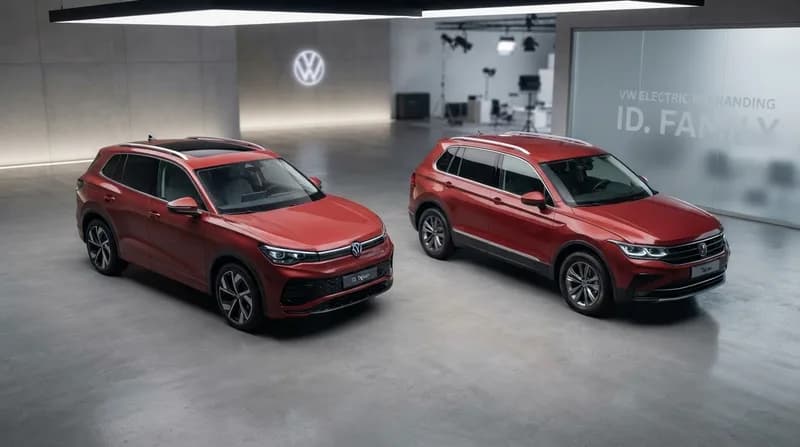
A New Chapter for Electric Mobility
Volkswagen has officially confirmed a pivotal shift in its global strategy, announcing that the successor to its popular ID.4 and ID.5 electric SUVs will carry the iconic ID. Tiguan nameplate. This strategic rebranding represents a significant departure from the alphanumeric "ID." nomenclature that characterized the company's early foray into mass-market battery electric vehicles. By aligning its electric SUV offerings with the globally recognized Tiguan brand, Volkswagen aims to capitalize on over 8.3 million units of established consumer trust and brand recognition.
The move follows a successful blueprint initiated with the ID. Polo, as the company works to harmonize its electric portfolio with its long-standing combustion engine bestsellers. According to VW brand chief Thomas Schäfer, the name change is designed to anchor the electric future in the qualities customers already associate with the Volkswagen badge: quality, timeless design, and accessible technology.
Design Evolution and Aesthetic Identity
Though the official world premiere is slated for October, Volkswagen has provided a first look at the ID. Tiguan through a series of camouflage-wrapped press photos. The vehicle signals a distinct shift away from the softer, more experimental design language of early ID. models, favoring a more robust and angular silhouette. The front end adopts a sharper aesthetic, characterized by a continuous light signature that aligns with the manufacturer’s latest design evolution.
The visual changes extend to the vehicle's profile and rear, where the design team has favored more traditional, grounded SUV features. Classic door handles have replaced the previous flush-fitting iterations, while a more structured tailgate—emphasized by a sleek, continuous light bar—serves to unify the ID. Tiguan’s appearance with the internal combustion version. These changes, coupled with a sharpened shoulder line and aerodynamically refined wheels, create a cohesive look that blends the familiar spirit of the Tiguan with the inherent advantages of a pure-electric architecture.
Why it Matters
- Brand Consistency: By collapsing the electric and internal combustion models under a single, legendary name, VW reduces consumer confusion and leverages a "premium" association.
- Market Strategy: The focus on "versatile, premium design" indicates that VW is positioning the ID. Tiguan to compete more aggressively in the high-volume SUV segment.
- Design Language: The shift toward a more "traditional" SUV aesthetic reflects a broader industry trend where electric vehicles are adopting mainstream styling cues rather than futuristic, polarizing designs.
As the automotive landscape shifts rapidly, Volkswagen’s decision to retire the ID.4 and ID.5 labels in favor of the ID. Tiguan suggests a long-term plan to transition its entire customer base toward electrification without sacrificing the emotional connection built over decades of model history. With the upcoming October reveal, the industry will finally see the full impact of this design convergence.