A Subtle Yet Significant Evolution
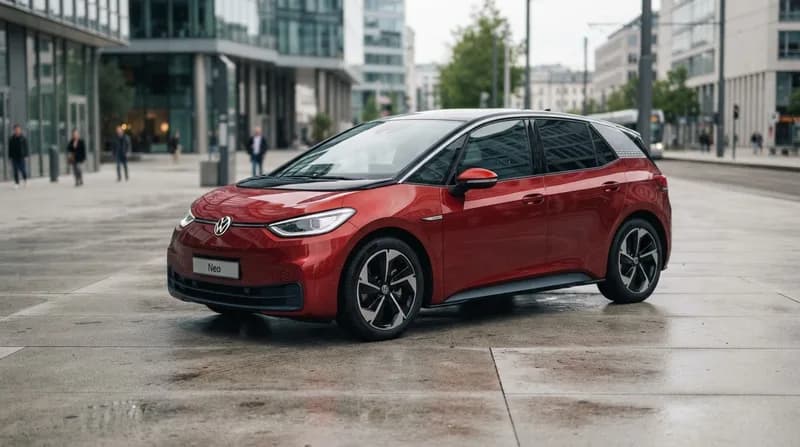
Volkswagen’s ID.3 has long been a fixture of the European electric vehicle market, but the latest iteration—the ID.3 Neo—is generating renewed attention. While its exterior maintains the familiar profile of its predecessors, the Neo represents a comprehensive mid-life update that sharpens the focus on usability and driving dynamics. Volkswagen has positioned this vehicle not as an attention-seeking showpiece, but as a reliable, high-performance daily driver that successfully bridges the gap between the outgoing model and the brand’s future lineup.
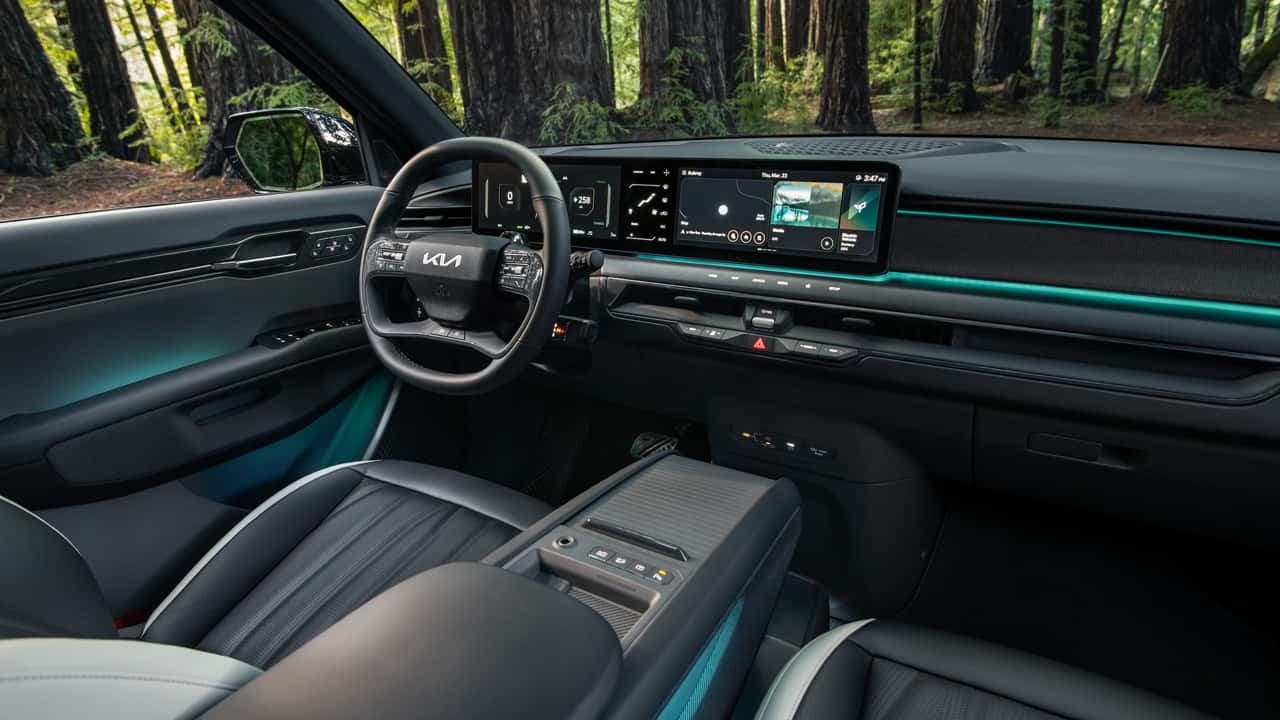
Inside the cabin, the changes are immediately noticeable and welcome. The manufacturer has addressed previous ergonomic complaints by replacing the finicky, unlit touch-sensitive climate sliders with physical, tactile toggle switches. The overall material selection has also been elevated, lending the cabin a greater sense of space and premium comfort. Coupled with improved sound insulation, the ID.3 Neo feels more robust and composed, reinforcing the brand's reputation for solid build quality while maintaining an exceptionally quiet ride.
Refined Powertrain and Efficiency
At the heart of the ID.3 Neo's performance is the new APP 350 electric motor. Replacing the previous APP 310, this motor brings a notable increase in efficiency and performance. Delivering 140 kW of power, it propels the vehicle to 100 km/h in approximately eight seconds. More importantly, the powertrain is remarkably efficient. In real-world conditions, even with extensive motorway driving, consumption averages roughly 15 kWh/100 km, offering a respectable real-world range on the 58 kWh battery pack.
Charging performance has also seen a practical boost. While the factory documentation cites a 105 kW peak for DC charging, real-world testing has demonstrated peaks reaching 126 kW. This allows for a 10% to 80% charge in about 25 minutes, adding roughly 200 kilometers of range in the time it takes for a quick coffee break. This consistency makes the Neo a highly capable companion for long-distance travel, provided the driver plans around the vehicle's characteristic charging curve, which holds a steady state before tapering off at higher charge levels.
The Shift to LFP Battery Technology
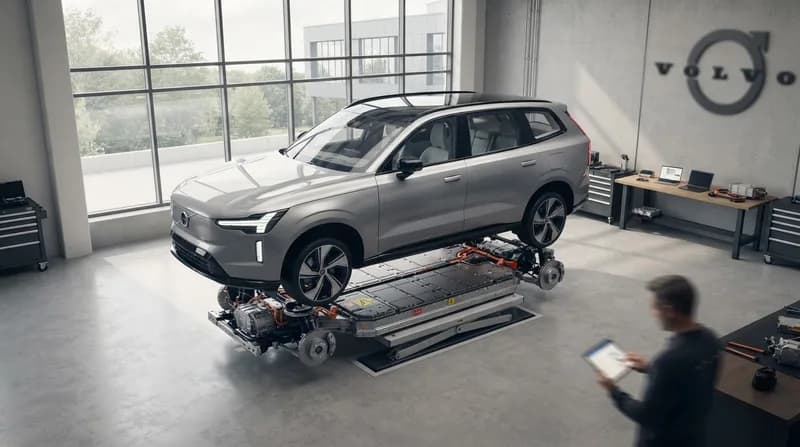
A major technical pivot in the ID.3 Neo is the integration of Lithium Iron Phosphate (LFP) battery cells within the updated MEB+ platform. These cells are used in the 50 kWh and 58 kWh configurations, marking a strategic shift toward more cost-effective, safer, and durable battery chemistry. The 50 kWh version is particularly interesting, as it essentially utilizes a software-limited 58 kWh pack. By effectively keeping the battery in a permanent 'Battery Care' mode, Volkswagen is prioritizing long-term longevity and thermal stability, a move that will likely appeal to buyers planning for extended vehicle ownership.
Enhanced Driving Automation
Driving assistance systems have received a significant overhaul. The optional IQ. Drive Pro package introduces precise traffic light recognition, allowing the vehicle to bring itself to a controlled stop at intersections automatically. While the driver is still required to confirm movement once the light turns green, the system’s reliability in dense urban traffic is a testament to the platform's improved sensor suite. Furthermore, the lane-keeping assistance has been fine-tuned for a more natural feel, while the braking system now provides linear, precise deceleration, completely eliminating the spongy pedal feedback that characterized earlier electric models.