The Cost-Efficiency Revolution
For European motorists, the decision to transition from internal combustion engines to battery-electric vehicles is no longer just an environmental choice—it is a compelling financial strategy. A landmark study published by the International Council on Clean Transportation (ICCT) indicates that in 2025, electric vehicle (EV) owners in Europe are enjoying running costs at least 25% lower than those driving traditional gas-powered cars. This data highlights a shifting landscape where the long-term economic advantages of electricity are finally outpacing the convenience of fossil fuels, even in a region where electricity prices can fluctuate.
Perhaps most surprisingly, the study accounts for the disparity between home charging and public charging. Even when a driver relies exclusively on public charging networks—often the most expensive way to power an EV—the vehicles remain roughly 28% cheaper to operate than their gasoline-burning counterparts. When factoring in the efficiency of home charging, that margin widens to 33%. With gasoline prices in the European Union hovering near $9 per gallon, the cost-per-mile savings have become a primary catalyst for the continent's rapid adoption of electric mobility.
Expanding Choice and Price Parity
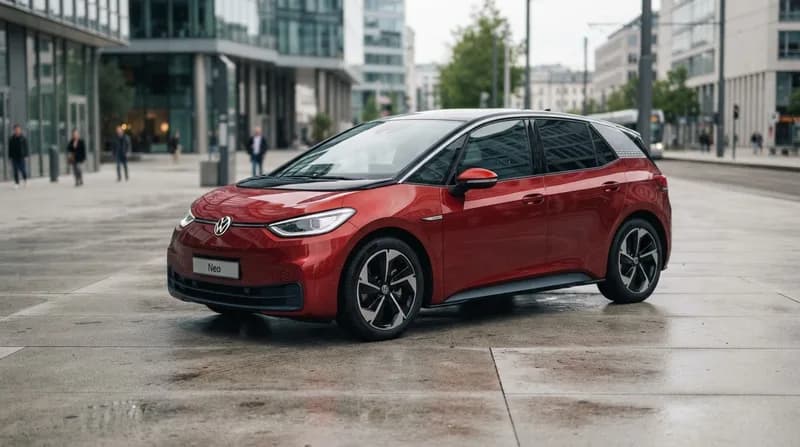
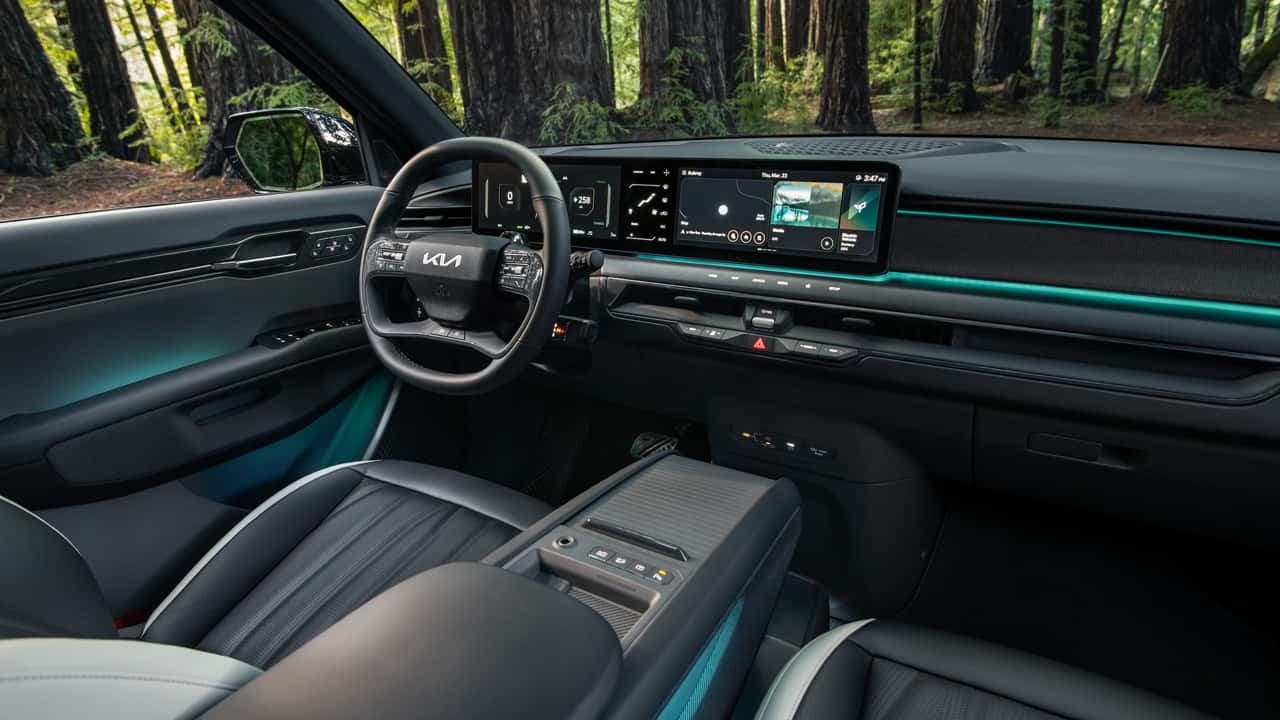
The barrier to entry for prospective EV buyers has also plummeted due to an unprecedented surge in market diversity. As of 2025, the German market alone boasts roughly 160 distinct passenger EV offerings, a four-fold increase since 2020. This influx of competition has effectively democratized access to electric transport, with approximately 35 models now retailing for under €30,000. These "affordable" entries provide a gateway for budget-conscious consumers who previously felt priced out of the electric revolution.
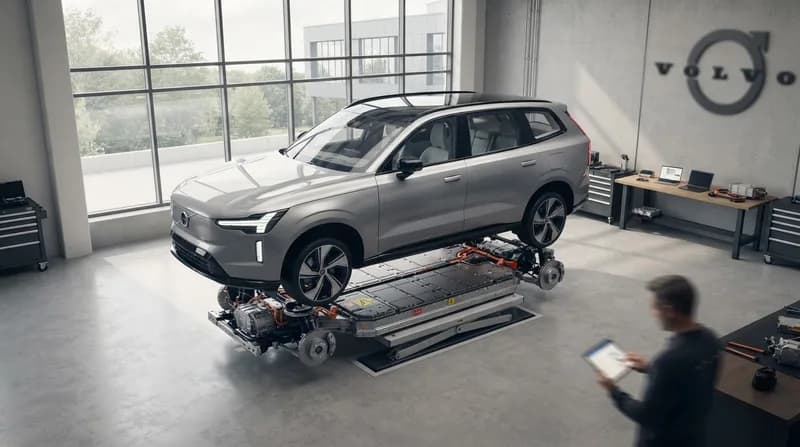
Furthermore, the industry has reached a crucial milestone: price parity. In the medium, upper-medium, and luxury segments, the sticker price of an electric vehicle is now largely comparable to internal combustion engine models. When juxtaposed with plug-in hybrids, EVs often command the same price point regardless of the vehicle category. This transition is largely fueled by a 35% global reduction in battery costs over the past five years—a massive shift considering the battery remains the most expensive component of any EV.
Why it Matters
- Operational Savings: Despite the volatility of energy prices, EVs consistently undercut gas cars by a third in daily running costs.
- Market Maturation: Price parity is no longer a future goal; it is a current reality across most mainstream and luxury segments.
- Infrastructure Growth: The EU has expanded its public charging network to 1.2 million points, representing an eight-fold increase since 2020.
- Inflation-Adjusted Value: While median prices for EVs have risen due to high-performance, long-range luxury models entering the market, comparable models have actually seen a 18% price decrease since 2020.
A Future Built on Charging Infrastructure
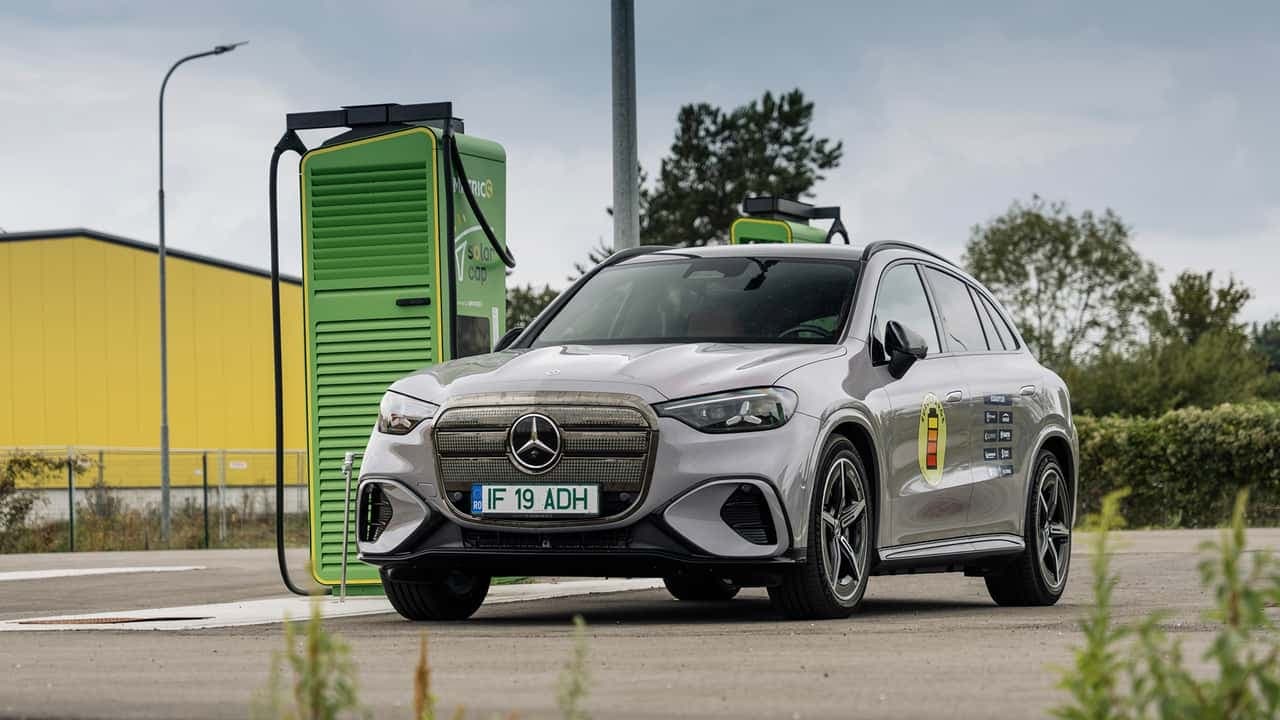
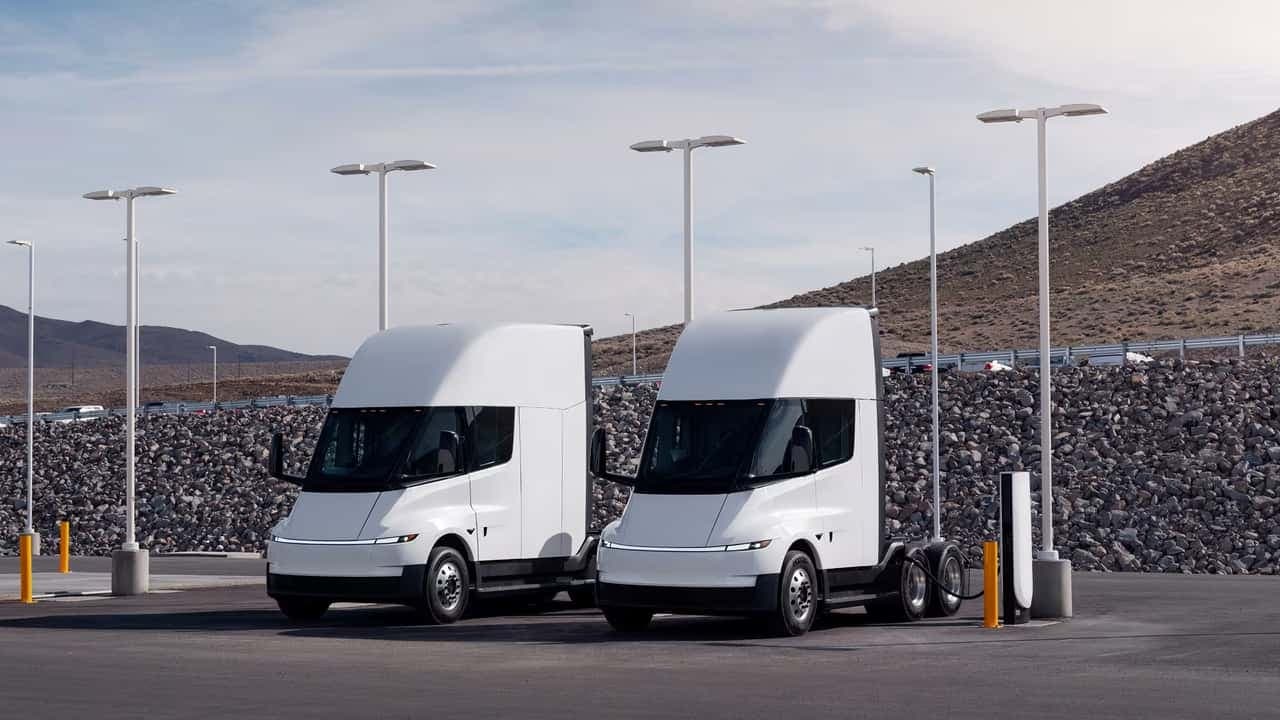
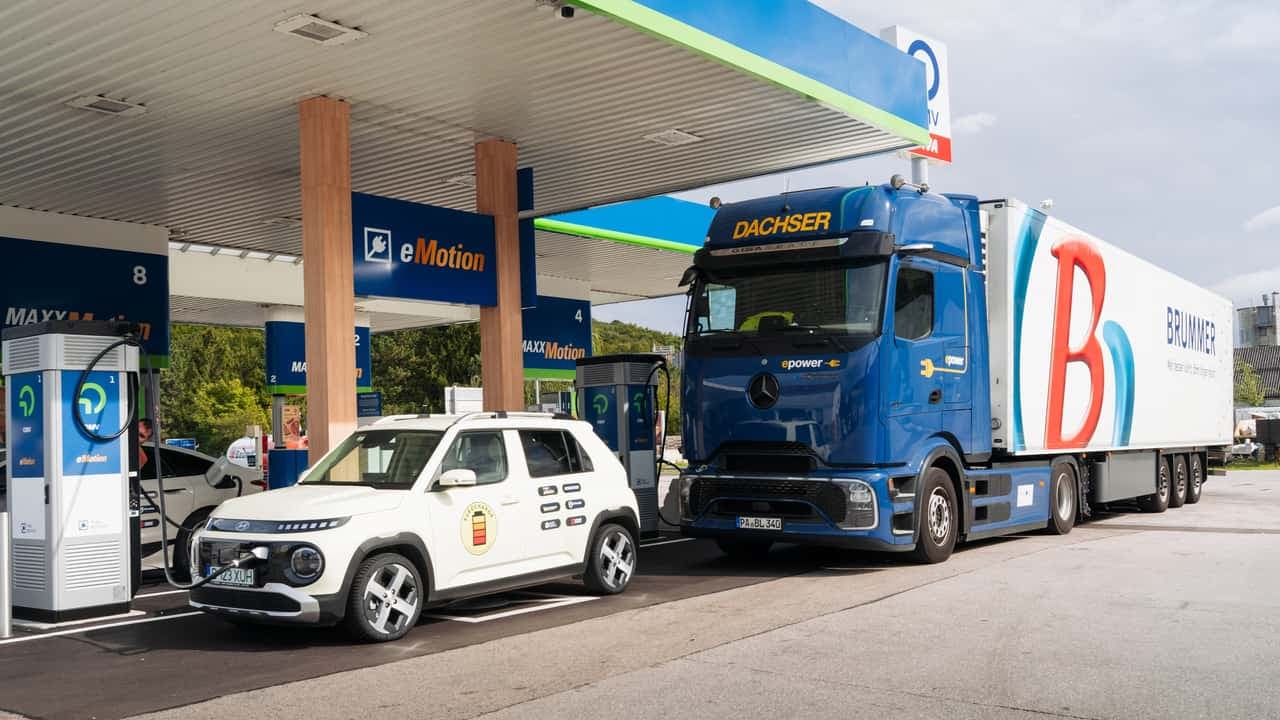
The rapid expansion of the charging ecosystem is the invisible hand guiding these economic improvements. With nearly 1.2 million public charging points now available across the EU, the "range anxiety" that defined the early days of EV adoption is being replaced by a practical, reliable network of support. This infrastructure includes specialized heavy-duty charging options, signaling a move toward fully electrified logistics and freight.
Looking ahead, the ICCT report suggests that if current regulatory support and infrastructure investment remain steady, the momentum of electric adoption is expected to continue its upward trajectory. By effectively balancing lower fuel costs with an expanding array of affordable models, the European automotive market is successfully pivoting away from the combustion engine, proving that the most sustainable vehicle is also, increasingly, the most economical one for the average driver.