A Surprising Atmospheric Discovery
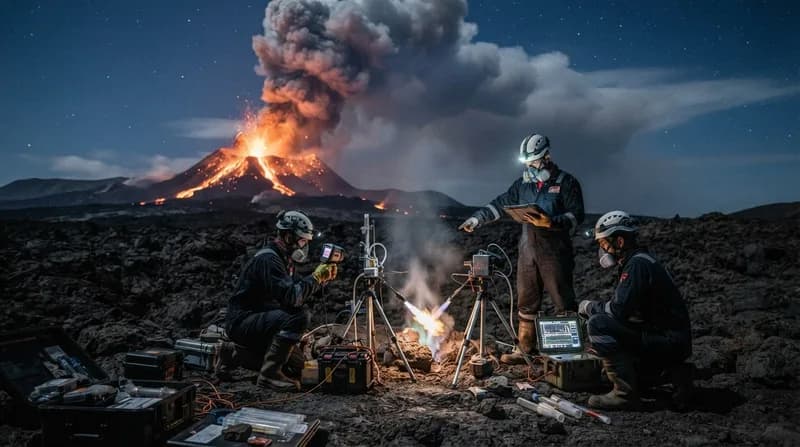
In a discovery that has caught the scientific community off guard, researchers have found that the 2022 eruption of the Hunga Tonga-Hunga Ha'apai volcano triggered an unexpected, self-cleansing chemical reaction within its own plume. While the massive eruption injected vast quantities of methane—a potent greenhouse gas—into the atmosphere, the volcanic cloud itself appears to have acted as a chemical reactor, breaking down a significant portion of the gas before it could further accelerate global warming.
This revelation came through satellite observations that detected record-breaking concentrations of formaldehyde within the volcanic plume. Because formaldehyde is a short-lived byproduct of methane degradation, its presence served as a 'chemical fingerprint,' confirming that an active, continuous process of methane destruction was occurring as the cloud traveled across the globe. Researchers were able to track this phenomenon for over ten days, observing a process that neutralized methane at a rate equivalent to the daily emissions of two million cows.
The Chemistry of the Plume
The mechanism driving this phenomenon is as unique as the environment in which it occurred. Scientists hypothesize that the eruption, which took place underwater, blasted a volatile mixture of seawater and volcanic ash high into the stratosphere. Once exposed to intense solar radiation, these materials formed iron salt aerosols. Under the influence of sunlight, these aerosols released chlorine atoms—highly reactive elements that readily attack and break apart methane molecules.
While this specific 'chlorine activation' chemistry had been observed previously in the lower atmosphere (the troposphere) involving Saharan dust, its discovery in the high-altitude stratosphere—under entirely different physical conditions—is a major scientific milestone. It suggests that atmospheric dust, particularly from volcanic sources, plays a much larger role in the global methane budget than previously calculated, necessitating a re-evaluation of how we account for greenhouse gas fluxes.
Why Methane Removal Matters
Methane is a critical target for immediate climate action. While carbon dioxide remains in the atmosphere for centuries, methane has a relatively short lifespan of about a decade. However, its heat-trapping efficiency is roughly 80 times greater than that of CO2 over a 20-year window. This makes rapid reduction of methane levels an effective 'emergency brake' for slowing the pace of near-term climate change.
- Short-Term Impact: Methane reductions can yield noticeable climate cooling benefits within a single decade.
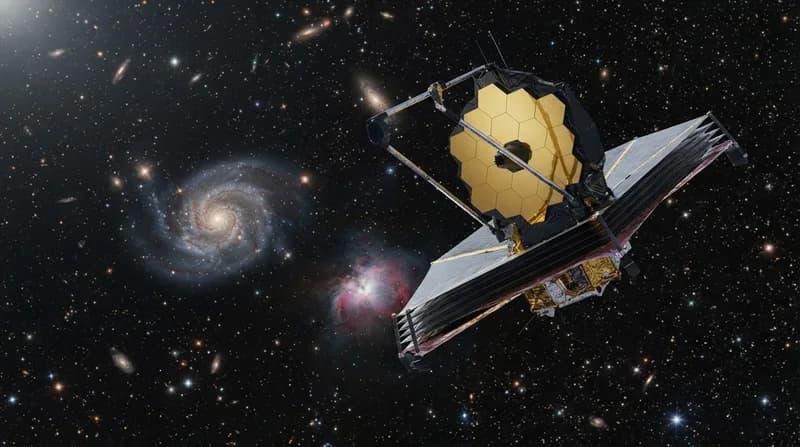
- Verification Potential: The study highlights that satellite monitoring, specifically using advanced instruments like TROPOMI, can successfully track the destruction of atmospheric gases, providing a necessary tool for verifying future climate mitigation efforts.
- Refining Models: Current global methane budgets have largely ignored the impact of atmospheric dust and volcanic particles; incorporating these variables is essential for accurate climate forecasting.
Future Outlook: Mimicking Nature’s Cleanup
The implications of this study extend beyond climate modeling. By providing a real-world, large-scale demonstration of how atmospheric chemistry can be leveraged to remove methane, the research offers a potential blueprint for future geoengineering or atmospheric remediation technologies. However, experts emphasize that this is not a 'silver bullet' for the climate crisis.
While the prospect of accelerating methane removal is attractive, it does not replace the fundamental necessity of drastically reducing carbon dioxide emissions. Future research will focus on whether this natural process can be safely and effectively replicated by human intervention, provided that such efforts can be verified through the same satellite-tracking methods used to validate the Hunga Tonga findings. For now, the volcano has provided both a fascinating lesson in planetary chemistry and a glimmer of hope for new, high-tech climate solutions.