The Resurgence of a Biological Threat
For decades, the United States maintained a hard-won victory against one of nature's most gruesome pests: the New World screwworm. Once a scourge that caused millions of dollars in losses across the Southwest, this parasitic fly—which uniquely feeds on the living tissue of warm-blooded animals—was effectively driven south of the Panama Canal in a landmark biological control effort during the 1950s. However, the parasite has returned, appearing in Texas and New Mexico and reigniting fears for the safety of livestock, wildlife, pets, and, on rare occasions, human health.
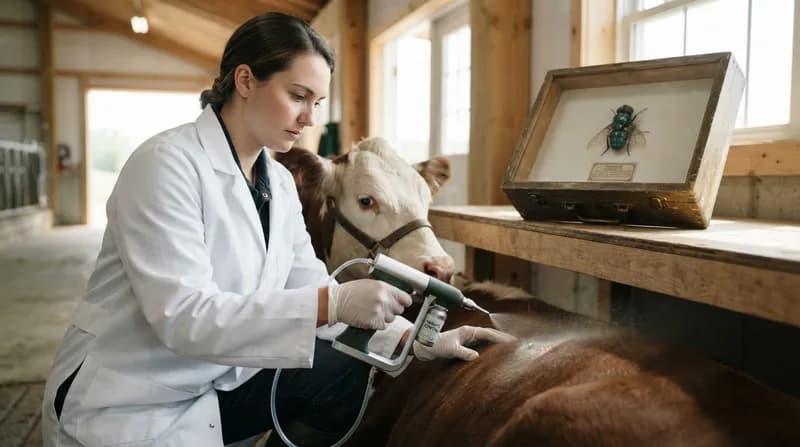
Unlike common maggots that feed on decaying matter, the screwworm larvae burrow into healthy, living flesh after the female fly lays eggs in open wounds or bodily orifices. The resulting damage can be fatal if left untreated, as the infestation leads to deepening wounds and secondary infections. As the parasite spreads northward with alarming speed, officials are working to revive the eradication protocols that succeeded in the mid-20th century, while simultaneously deploying cutting-edge digital infrastructure to track its progression.
Predictive Tracking Through Data Convergence
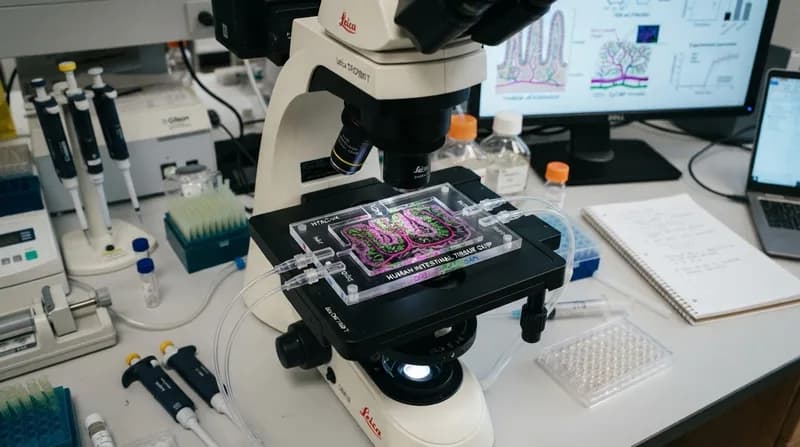
To combat the rapid spread, researchers at the University of California San Diego, in collaboration with the County of San Diego Health and Human Services Agency, have launched an advanced tracking dashboard. Developed under the "Resilient Shield" initiative, this platform serves as a central intelligence hub. It integrates diverse data streams—including official field detections, local environmental conditions, and real-time news reports—to generate regional risk profiles. By incorporating news media, the team can often identify potential outbreaks days or weeks before formal lab confirmations are finalized, granting officials a critical "early warning" advantage.
This modular, scalable architecture represents a shift in public health response, moving away from reactive measures to proactive modeling. The project, funded by the CDC, allows agencies to request specific data tools tailored to their unique needs, creating a library of shareable "open reference" designs that can be applied to future biological or environmental crises.
The Multi-Faceted Path to Eradication
The current strategy for containment is built upon the same proven methodology used in the 1950s: the sterile insect technique. By mass-releasing sterilized male flies into the wild, the USDA aims to disrupt the reproductive cycle, causing the population to collapse over time. This approach is supplemented by strict quarantine measures to control animal movement and the targeted use of pesticides.
Looking toward the future, the U.S. government is seeking regulatory approval for a genetically modified all-male strain of the fly, which would streamline the sterilization process in the field. Meanwhile, academic researchers continue to develop advanced genetic technologies designed to enhance these efforts. This synthesis of historical biological control methods and modern, data-driven epidemiology highlights the evolving intersection of science, technology, and public health in the face of returning ecological threats.