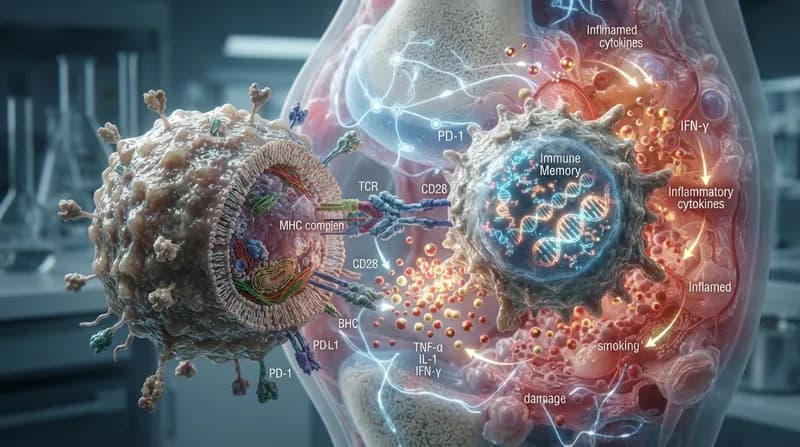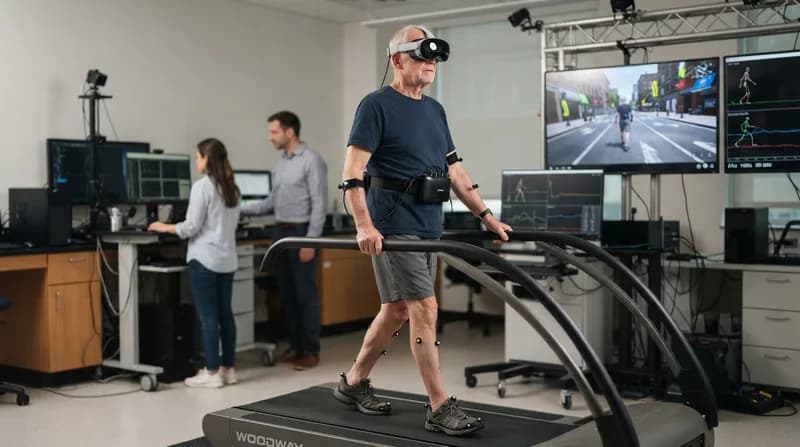
A recent study conducted by researchers at Northeastern University has explored the potential of video games in personalizing cognitive care for vulnerable groups, particularly those with HIV-associated neurocognitive disorders (HAND). The researchers designed a video game to test the working memory of adults over 50 with HIV-accelerated cognitive fatigue.
Key Insights
The study found meaningful differences in the effectiveness of the video game at improving memory between older participants living with HIV and those without the virus, highlighting the potential for personalized cognitive care. The research aims to address the unique cognitive challenges faced by individuals with HAND, and the use of video games may offer a innovative and engaging approach to improving cognitive function.