A New Dawn for EV Batteries: Challenging the Status Quo
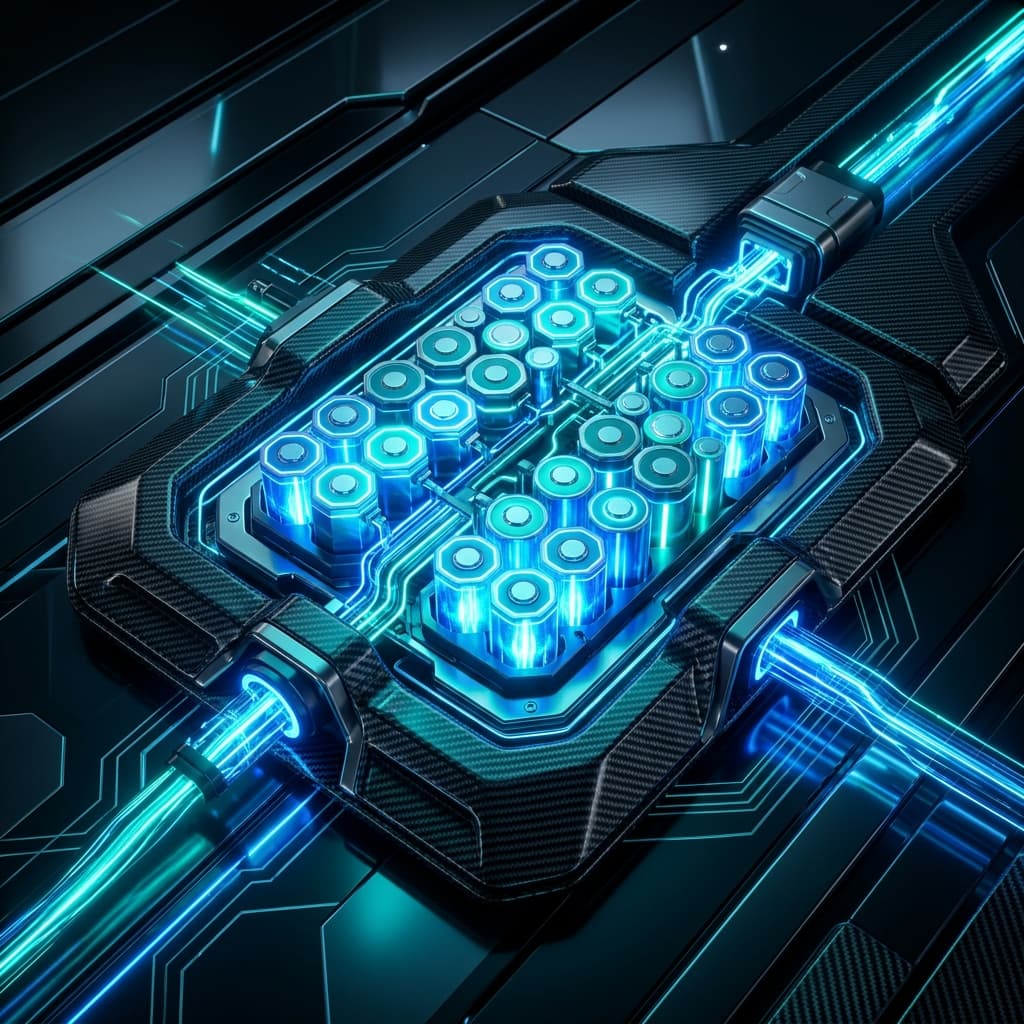
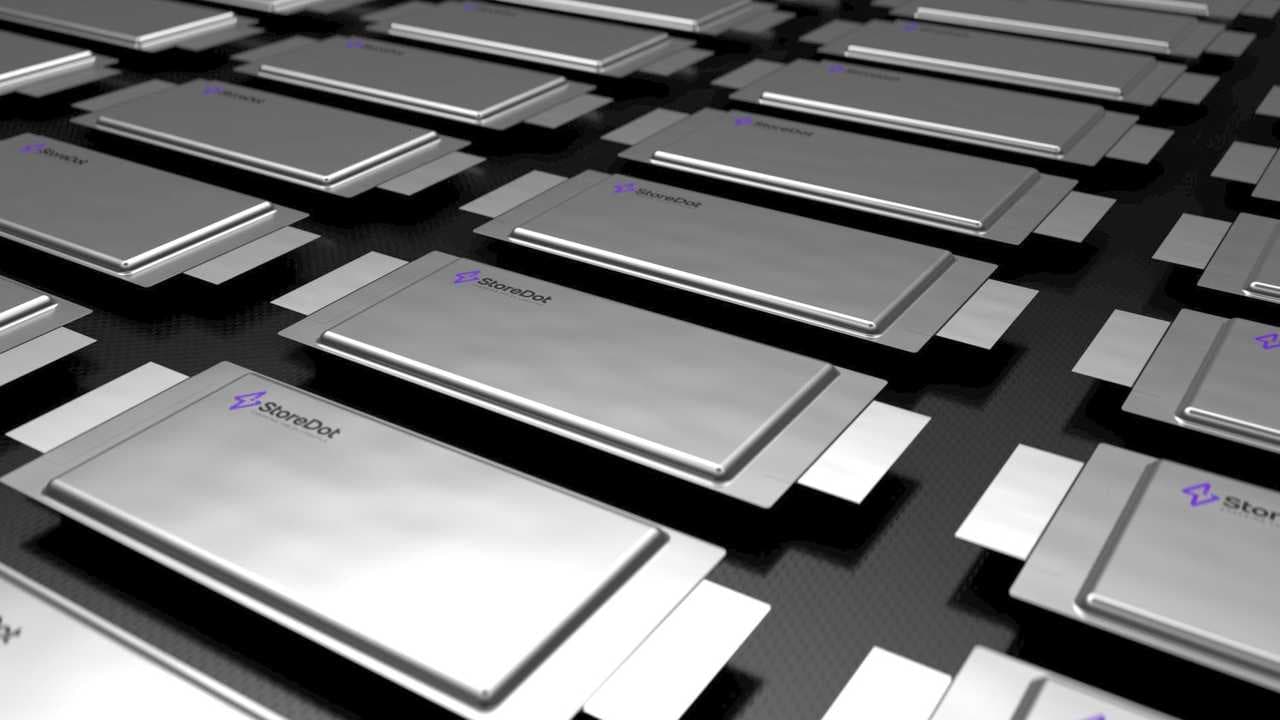
The race for the next-generation electric vehicle battery is heating up, with breakthroughs often focusing on solid-state or silicon-anode technologies. However, a U.S.-based startup, Pure Lithium, is making waves with a fundamentally different approach: a graphite-free lithium iron phosphate (LFP) battery that promises to disrupt the industry and significantly lessen reliance on foreign supply chains. This Chicago-based company claims its innovative battery technology can double energy density, halve the weight, and dramatically reduce costs compared to existing lithium-ion packs.
In a recent breakthrough that could rewrite battery performance benchmarks, Pure Lithium announced its lithium-metal battery achieved an astonishing 9,315 charge-discharge cycles in laboratory tests. This figure represents more than three times the cycle life of a conventional lithium-ion battery, a feat the company believes is unprecedented under equivalent testing conditions for lithium-metal batteries in development.
The Graphite-Free Revolution: More Power, Less Weight
At the heart of Pure Lithium's innovation is the complete elimination of graphite from the anode. Graphite, while a common component in today's lithium-ion batteries, presents several challenges. It's an expensive material, its mining and processing can be environmentally dirty, and over 90% of the world's graphite processing is controlled by China, creating a significant geopolitical dependency. Crucially, graphite adds considerable weight and volume to a battery cell without actively participating in the electrochemical reaction; it primarily serves as a host material for lithium ions.
By removing graphite, Pure Lithium frees up critical space within the cell, allowing for a higher concentration of active energy material. This ingenious design choice is a major contributor to their claims of doubling energy density – their Gen 1 battery boasts 300 watt-hours per kilogram (Wh/kg), with a Gen 2 target of an even more impressive 425 Wh/kg. The LFP chemistry for the cathode further enhances this North American-centric approach by eliminating other materials like nickel, manganese, and cobalt, which also face complex and often foreign-dominated supply chains. This strategic material selection not only streamlines manufacturing but also aligns with the broader goal of a more sustainable and localized EV ecosystem.
Unprecedented Longevity and Robust Performance
The reported 9,315 charge-discharge cycles are a testament to the battery's exceptional durability. These rigorous tests were conducted at a 1C charge and discharge rate, meaning the battery was fully charged in one hour and then fully discharged in one hour, repeatedly. This is an extremely demanding regimen, far more strenuous than typical real-world EV usage, yet the battery demonstrated remarkable stability.
What's particularly striking is the battery's capacity retention. The company shared data showing the cell maintained nearly all its original discharge capacity even after thousands of cycles. An interesting observation during the testing involved a four-month pause when the company relocated its headquarters. Upon resuming, the battery surprisingly showed even greater capacity retention than before the rest period, suggesting potential self-healing properties or a benefit from relaxation. Earlier tests in January 2025 had shown over 80% capacity retention after 2,200 cycles under similar conditions, indicating continuous improvements in their technology.
Manufacturing Innovation: Electrodeposition's Edge
Pure Lithium's breakthrough isn't just about what they've removed, but also how they're building the new components. The startup employs a unique process called electrodeposition to create its lithium metal anode. This method directly deposits lithium metal onto a copper current collector in a single, efficient step, forming the anode as an integral part of the manufacturing process.
While other American startups like Factorial, Solid Power, and QuantumScape are also pursuing graphite-free lithium metal batteries, their approaches often involve solid-state or semi-solid-state electrolytes. Pure Lithium, however, utilizes a liquid electrolyte, differentiating its technological bet and focusing its innovation on the precise, cost-effective production of the lithium metal anode. This unique focus could prove to be a more accessible pathway to commercialization, as battery manufacturers are already familiar with lithium metal technology.
Strategic Implications: A North American Advantage
The push for regionalized battery supply chains has never been stronger. Pure Lithium's technology directly addresses this imperative by offering a North American-sourced solution that bypasses the heavily centralized global graphite supply. By eliminating expensive and dirty-to-mine materials, and leveraging a streamlined manufacturing process, the company aims to not only improve battery performance but also fortify the EV supply chain against geopolitical vulnerabilities and market volatility.
This initiative aligns with broader efforts across the U.S. to reduce dependence on China for critical EV components, fostering domestic production and innovation. Should Pure Lithium's technology scale successfully, it could be a significant step towards creating a truly independent and resilient electric vehicle industry in North America.
From Lab to Road: The Path to Commercialization
Currently, Pure Lithium is establishing a pilot production line in Chicago and is actively engaging with over 40 companies to commercialize its groundbreaking technology. CEO Emilie Bodoin highlights that their innovation lies in making lithium metal technology low-cost and efficiently manufacturable. The successful transition from laboratory tests to mass production will be the next critical hurdle, but the reported performance figures and the strategic advantages of their design position Pure Lithium as a formidable player in the quest for the ultimate EV battery. The promise of longer ranges, faster charging, and significantly extended battery life for electric vehicles could fundamentally change consumer adoption and accelerate the global transition to sustainable mobility.