A New Frontier in Tropical Disease Research
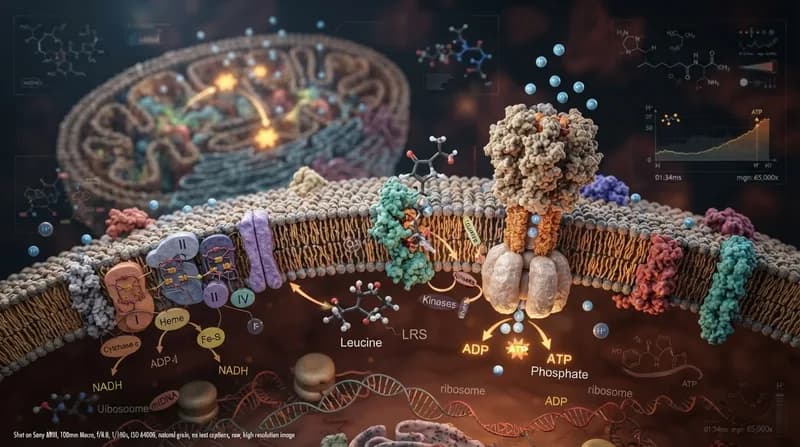
In a landmark effort to combat diseases like sleeping sickness, giardiasis, leishmaniasis, and babesiosis, a massive consortium of 25 scientists has completed a comprehensive mapping of mitochondrial proteomes across five lethal parasites. Led by Howard Hughes Medical Institute investigator Vamsi Mootha, the group spent four years meticulously cataloging the proteins within these organelles—the cellular powerhouses that, when disabled, can effectively stop a pathogen in its tracks. By analyzing organisms that span a billion years of evolution, researchers have identified common, ancient machinery that could pave the way for a new generation of pan-parasitic drugs.
The project, which resulted in a collection of nine recently published papers, utilized a sophisticated technique known as protein correlation profiling. By breaking down cells and using mass spectrometry to track proteins that consistently align with mitochondrial components, the team built a high-confidence parts list for these organelles. This approach allowed scientists to identify 33 protein families shared by multiple parasites that are notably absent in human mitochondria, creating a vital foundation for drug development that avoids harming the host while neutralizing the pathogen.
Challenging the 'Aerobic Powerhouse' Paradigm
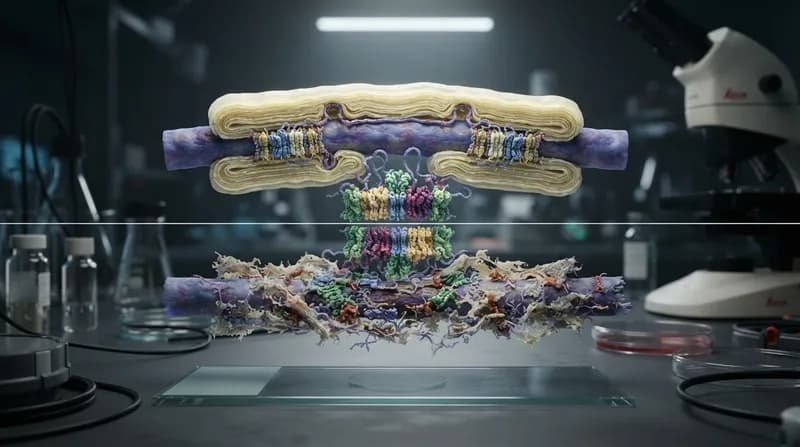
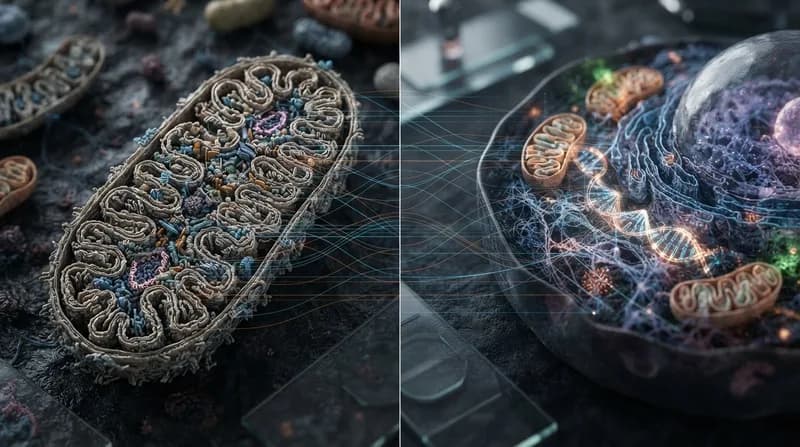
For decades, the scientific community has relied on the textbook definition of mitochondria as aerobic powerhouses containing their own signature DNA. However, this new research highlights how limited that view truly is. By studying exotic organisms, the team revealed that the human version of the mitochondria is, in many ways, the evolutionary oddball. Many pathogenic protists retain ancestral pathways—such as the ability to thrive in anaerobic environments or exist without their own genome—that humans long ago discarded.
One such example is Giardia, which has lost its mitochondrial DNA entirely and maintains an organelle with 59 proteins, many of which remain mysterious in function. Conversely, Acanthamoeba displays complex metabolic flexibility, utilizing an enzyme called hydrogenase to produce hydrogen gas as a backup power source when oxygen levels are low. These discoveries shift our understanding of mitochondria from a rigid organelle type to a diverse, adaptable biological system capable of immense variety across the eukaryotic tree of life.
Why It Matters
- Medical Breakthroughs: The identification of 33 parasite-specific protein families offers a clear roadmap for creating treatments that could potentially address multiple parasitic infections with a single drug strategy.
- Evolutionary Insight: By reconstructing the Last Common Ancestor of all eukaryotes (LECA), researchers discovered that the earliest mitochondria were metabolically flexible and far more sophisticated than previously assumed.
- AI Integration: Leveraging the newly mapped data, the team trained AI models to predict the proteomes of nearly 200 additional eukaryotes, effectively scaling the research far beyond what can be achieved through physical laboratory experiments alone.
An Outlook on Future Therapeutic Development
While the transition from identifying a molecular target to deploying a clinical drug is a lengthy and complex journey, the data generated by this consortium represents a significant leap forward. By making their entire inventory of mitochondrial proteins publicly available, Mootha and his team aim to provide a durable, open-source foundation for future researchers. The ability to predict mitochondrial protein structures via AI, combined with the newfound clarity on which pathways are essential to pathogen survival, suggests that the next decade of infectious disease research will be built on a much more precise and informed foundation.