The Quest to Stop MASH Progression
In a significant breakthrough for metabolic health, researchers at Cedars-Sinai have identified a biological mechanism that could act as a critical shield against the progression of metabolic dysfunction-associated steatotic liver disease (MASLD). As the most common form of liver disease globally, affecting approximately 100 million Americans, its progression into a severe inflammatory state known as metabolic dysfunction-associated steatohepatitis (MASH) remains a major clinical hurdle. Unlike the earlier stages of the condition, MASH is characterized by severe liver cell injury, inflammation, and scarring, for which effective, targeted treatments are currently scarce.
The study, recently published in the journal Nature Metabolism, pinpoints the enzyme UBE2N as a key player in maintaining liver health. Investigators discovered that as patients transition from mild fatty liver disease to the more dangerous MASH, the levels of this specific enzyme within liver cells drop significantly. This loss appears to trigger a cascade of cellular dysfunction, preventing the liver from efficiently managing fat and disposing of damaged, energy-depleting mitochondria.
The Protective Role of UBE2N
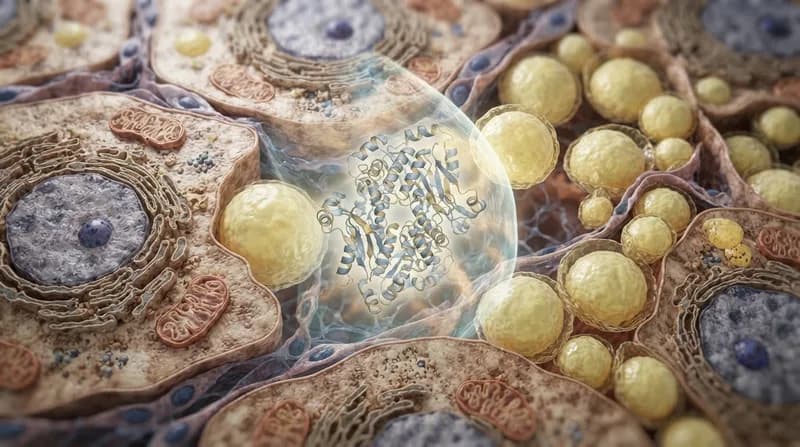
The research highlights that UBE2N acts as a vital maintenance worker within the cell. By supporting the process of mitophagy—the selective clearing of damaged mitochondria—the enzyme prevents the cellular "clutter" that leads to inflammation and oxidative stress. When UBE2N levels are healthy, the liver can process fats and maintain cellular integrity. However, when these levels deplete, the liver becomes susceptible to the cumulative damage that defines MASH.
To test this hypothesis, the research team utilized preclinical models, successfully restoring UBE2N levels to their baseline state. The results were striking: the intervention led to a measurable reduction in both fat accumulation and the inflammatory scarring that leads to permanent organ damage. This observation suggests that the enzyme is not merely a marker of disease state, but a functional target for future medical therapies aimed at halting or even reversing the damage associated with advanced fatty liver conditions.
Why it Matters
- Targeted Intervention: Currently, medical management for MASH relies heavily on general lifestyle modifications. The discovery of UBE2N provides a molecular target that could lead to pharmaceutical interventions specifically designed to bolster the body's natural defense mechanisms.
- Preventing Organ Failure: By addressing the underlying cellular mechanism—specifically mitochondrial health and lipid regulation—this discovery may prevent the progression toward cirrhosis and eventual liver failure.
- Broader Implications: As global rates of obesity and metabolic syndrome rise, the burden of liver disease is increasing. Identifying such regulatory enzymes helps clinicians move toward personalized medicine, where the biological "deficit" of a patient can be directly addressed.
Future Outlook
While these findings represent a leap forward in understanding the pathology of steatotic liver disease, the medical community remains cautious yet optimistic. Future studies will need to determine how to safely and effectively augment this enzyme pathway in human patients. Researchers are looking toward clinical trials to see if enhancing UBE2N expression or activity can complement current therapeutic approaches. By combining this new understanding of cellular debris management with existing care strategies, clinicians hope to build a more robust defense against one of the most stubborn and costly chronic health challenges of the modern era.