The Escalating Crisis in Hillsborough County
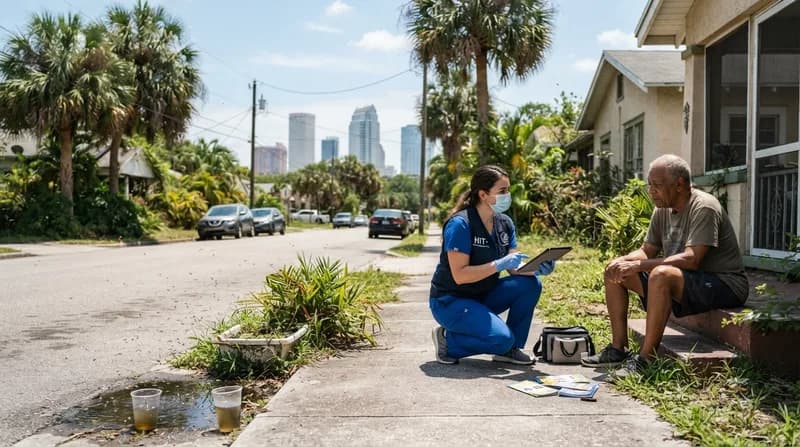
Public health officials in Florida are currently managing an unprecedented surge in dengue fever, marking the state's most significant outbreak of the mosquito-borne virus in the continental United States since at least the 1940s. With over 250 locally acquired cases confirmed this year—the vast majority centered within Hillsborough County, the home of Tampa—the situation has triggered local emergency declarations. Teams are working around the clock to implement intensive vector control measures, including widespread aerial and ground-level spraying to aggressively reduce the population of disease-carrying Aedes aegypti mosquitoes.
This year’s tally has already surpassed the state's previous record set in 2023, which saw just under 200 locally transmitted cases. The intensity of this outbreak has prompted experts to sound the alarm on the geographic expansion of the virus. Historically, dengue outbreaks in the U.S. were largely limited to travel-associated cases or localized incidents in southern Florida; however, the shift toward a major urban hub like Tampa suggests that the virus is finding new, hospitable environments for sustained transmission. Tragically, the severity of the illness has already claimed one life this year, an elderly resident in September, underscoring the potential for severe health complications associated with the virus.
Understanding the Biology of 'Breakbone Fever'
Dengue, colloquially known as "breakbone fever" due to the excruciating joint and muscle pain it can induce, is caused by four distinct viral serotypes. The virus is primarily transmitted through the bite of infected mosquitoes. While many individuals may remain asymptomatic, others experience debilitating fevers and flu-like symptoms. In its most severe form, the virus can lead to internal bleeding, circulatory shock, and, in rare instances, death. The lack of prior immunity among the vast majority of the Tampa population serves as a major contributing factor to the rapid spread of the current outbreak.
Developing an effective vaccine remains a significant scientific hurdle. Because there are four distinct types of the virus, the body’s natural immune response to one type does not always confer immunity to the others. In some cases, previous infection can actually complicate a second encounter with a different serotype; existing antibodies may facilitate the entry of the virus into immune cells, leading to more severe symptoms. This complexity continues to challenge researchers as they pursue more robust immunization strategies to protect vulnerable populations in regions where the virus is becoming endemic.
Prevention and the 'New Normal'
As state health departments continue their containment efforts, public health experts emphasize the importance of individual vigilance in affected areas. Residents are urged to adopt rigorous preventative habits to minimize the risk of mosquito bites. These include the consistent use of EPA-registered repellents containing DEET, wearing long-sleeved clothing, and ensuring that living spaces are well-screened or air-conditioned. Additionally, eliminating stagnant water sources—such as those found in discarded tires or decorative containers—remains a critical step in disrupting the life cycle of the Aedes aegypti mosquito.
Why It Matters: Contextualizing the Outbreak
- Climate Influence: Experts highlight that warming temperatures are allowing mosquito populations to expand their geographic reach further north, making previously unaffected regions potential hotspots.
- Travel Patterns: High volumes of travel between Florida and regions where dengue is endemic, such as Puerto Rico, have historically acted as a bridge for the virus. This year, for the first time, locally acquired cases in Florida have outpaced imported cases.
- Public Health Response: While the CDC has provided $800,000 in assistance, the absence of federal disease investigators on the ground indicates a localized management approach, placing the burden of mitigation heavily on state and county infrastructure.
Ultimately, the consensus among infectious disease specialists is that the U.S. must prepare for a future where dengue is a recurring, rather than occasional, health concern. With changing climate conditions, the current situation in Florida may very well represent the "new normal," necessitating a more permanent and resilient public health infrastructure designed to detect and manage mosquito-borne diseases on a consistent basis.