A Milestone for Tiangong
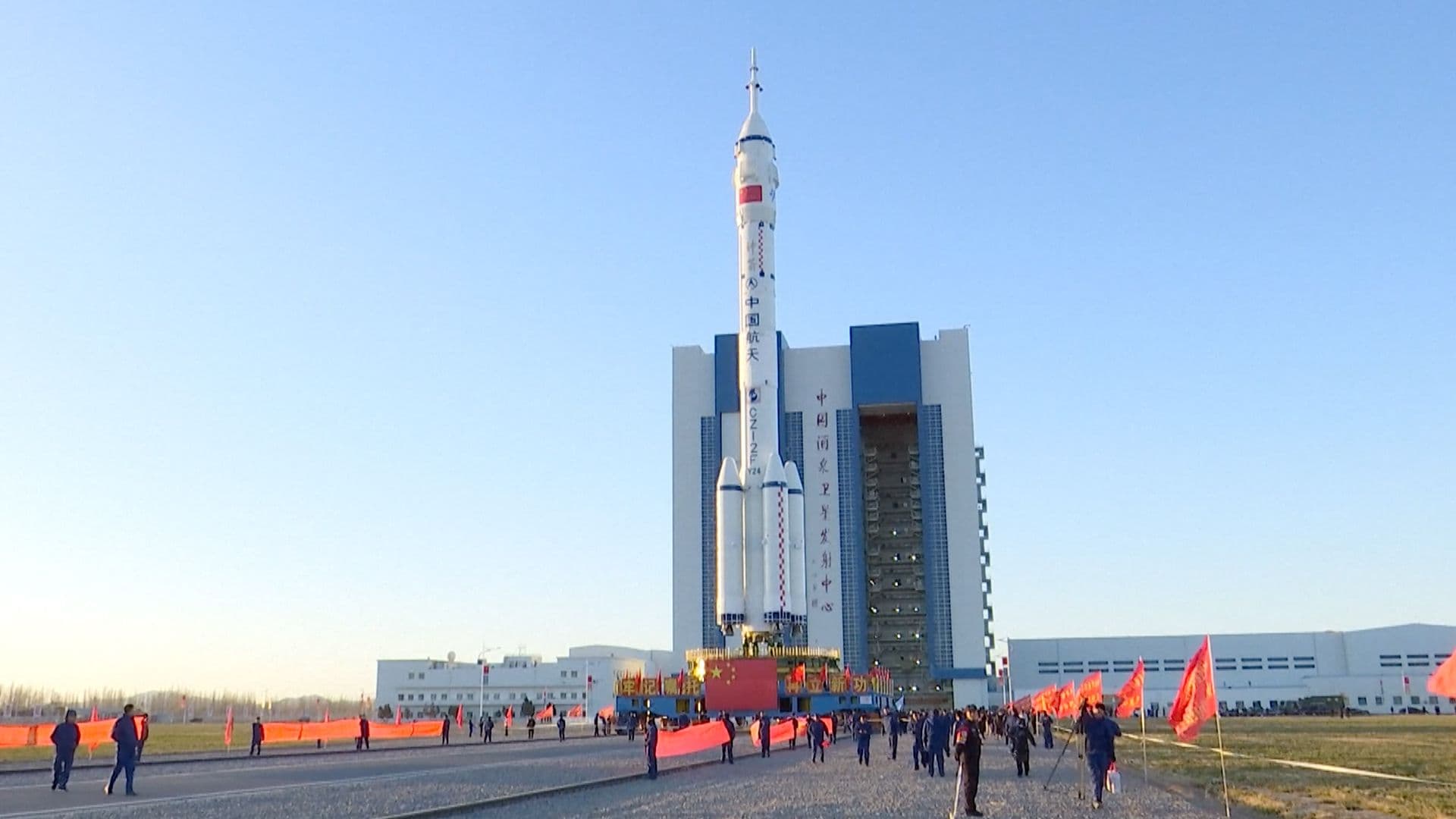
The landscape of international space cooperation is shifting as China prepares for the landmark Shenzhou-24 mission. In a significant move that underscores the growing reach of its orbital program, China has rolled out a Long March 2F rocket to the launchpad at the Jiuquan Satellite Launch Center. This mission, which is expected to lift off within the coming days, will see the Tiangong space station receive its first-ever international visitor.
The towering 191-foot (58-meter) rocket was transported roughly 0.93 miles from its vertical integration facility to the launch site in a meticulously timed operation. According to reports from the China Manned Space Agency (CMSA), all launch infrastructure and associated hardware have undergone rigorous checks and are confirmed to be in optimal condition for the upcoming flight.
The International Component
While the full crew manifest for Shenzhou-24 is traditionally kept under wraps until the final pre-launch press conference, it has been confirmed that this mission will carry an international payload specialist. The mission will host an astronaut candidate from Pakistan, marking a historic achievement for both the Chinese space program and Pakistan, which will see one of its citizens reach orbit for the very first time.
The international visitor is expected to maintain a week-long residency aboard the Tiangong outpost. To facilitate their return, the mission profile involves a unique exchange: the visitor will depart aboard the returning Shenzhou-23 spacecraft, which is currently housing a crew nearing the conclusion of their six-month stay. This rotation strategy highlights the logistical maturity of the Tiangong program, which has maintained a permanent human presence in orbit since the completion of its three-module structure in 2022.
Strategic Implications
Beyond the diplomatic significance of hosting an international astronaut, the Shenzhou-24 mission serves a critical scientific purpose. As part of the crew changeover, one of the incumbent astronauts from the Shenzhou-23 mission will extend their stay for an additional six months. This will result in a rare year-long mission for the Chinese space program, providing vital physiological data regarding long-duration spaceflight.
Why It Matters
- Human Physiology Research: The year-long mission duration is a stepping stone for China as it gathers essential medical data required for future crewed lunar expeditions.
- Expanding Horizons: With plans to double the physical size of the Tiangong station in the coming years, China is positioning itself to facilitate more frequent international research partnerships and potential space tourism opportunities.
- Global Cooperation: By opening its station to international personnel, China is signaling a move toward a more collaborative approach to low-Earth orbit utilization.
As the countdown to liftoff continues, the international space community watches with interest. The flight represents more than just a successful rocket launch; it acts as a symbolic expansion of the final frontier, reflecting a future where multiple nations increasingly collaborate to advance humanity's presence in space.