The Microbial Connection to Brain Health
For nearly a decade, researchers have observed a distinct disparity in the gut microbiota composition between individuals living with Alzheimer’s disease and those in good health. This curiosity has finally yielded a tangible, potentially life-changing discovery: a specific metabolite known as imidazole propionate (ImP). Produced by certain bacteria within the digestive system, ImP has now been linked to the accumulation of toxic proteins in the brain, suggesting that our internal microbial landscape plays a more direct role in neurodegeneration than previously understood.
The study, published in Nature Communications, sheds light on how a substance originating in the intestines can bypass systemic boundaries to influence neurological health. While the production levels of ImP vary significantly from person to person, researchers emphasize that even low-abundance microbes can exert a profound effect on the host. Once synthesized in the gut, ImP enters the bloodstream, where it travels throughout the body—and, according to this new data, it appears to cross the threshold into the brain.
The Impact of ImP on Cognitive Decline
To understand the clinical implications of this molecule, the research team analyzed blood samples from nearly 1,200 participants enrolled in the Wisconsin Registry for Alzheimer's Prevention. The results were striking: subjects with elevated concentrations of ImP in their blood displayed a higher density of biological markers associated with beta-amyloid and tau proteins—the classic hallmarks of Alzheimer's pathology. Most concerning, the longitudinal data showed that these higher levels correlated with a significantly faster rate of cognitive decline in memory and executive function tests.
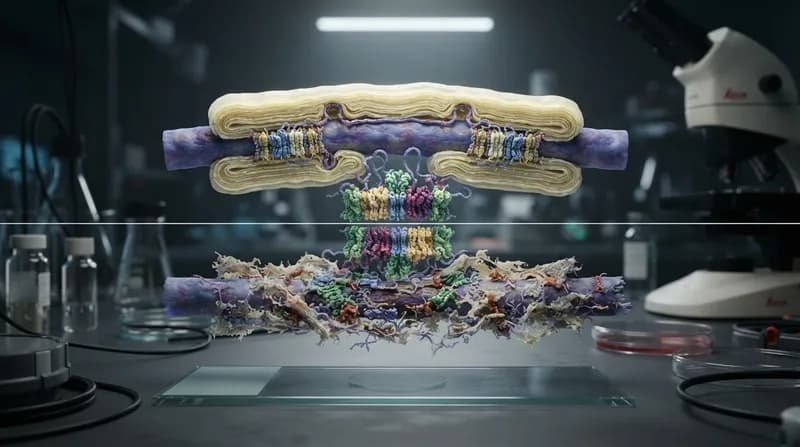
Animal models provided further insight into the mechanism of damage. Researchers observed that when ImP reaches the brain, it promotes the accumulation of abnormal proteins, which eventually triggers neuronal death. Furthermore, the team identified a specific genetic variation present in approximately 43% of the study participants that seems to inhibit the kidneys' ability to efficiently clear ImP from the blood. This discovery provides a plausible biological explanation for why some individuals are genetically predisposed to higher levels of this compound and, consequently, a heightened risk for dementia.
Why It Matters
This breakthrough shifts the focus of Alzheimer’s research toward a novel therapeutic horizon. By identifying ImP as a specific, quantifiable target, scientists now have a potential pathway for intervention that mimics successful models in other fields of medicine. Much like how statins are used to regulate cholesterol and mitigate cardiovascular risk, the development of a pharmacological inhibitor to suppress ImP production or enhance its clearance could provide a powerful new weapon in the fight against neurodegeneration.
- Targeted Inhibition: Future treatments may focus on lowering blood-based ImP levels, potentially slowing the progression of Alzheimer’s symptoms.
- Genetic Context: The identification of a specific genetic variation linked to ImP clearance helps explain individual vulnerability and could inform precision medicine.
- Beyond Diet: While nutrition is important, the essential nature of histidine—the precursor to ImP—means that simple dietary restriction is not a viable strategy, highlighting the need for specialized pharmacological solutions.
The Future of Alzheimer’s Therapeutics
The path forward is no longer strictly about clearing plaques after they have formed, but about understanding the systemic inputs that influence brain health long before severe symptoms manifest. The research team from the University of Wisconsin-Madison, alongside collaborators from UCLA and the University of Gothenburg, believe that this discovery opens a new frontier in preventative neurology. While translating this into a clinical product will take time and further testing, the prospect of targeting a gut-derived molecule to protect the brain represents a significant shift in how we approach one of the most complex diseases of the aging population.