The Gut's Lasting Defense Mechanism Unveiled
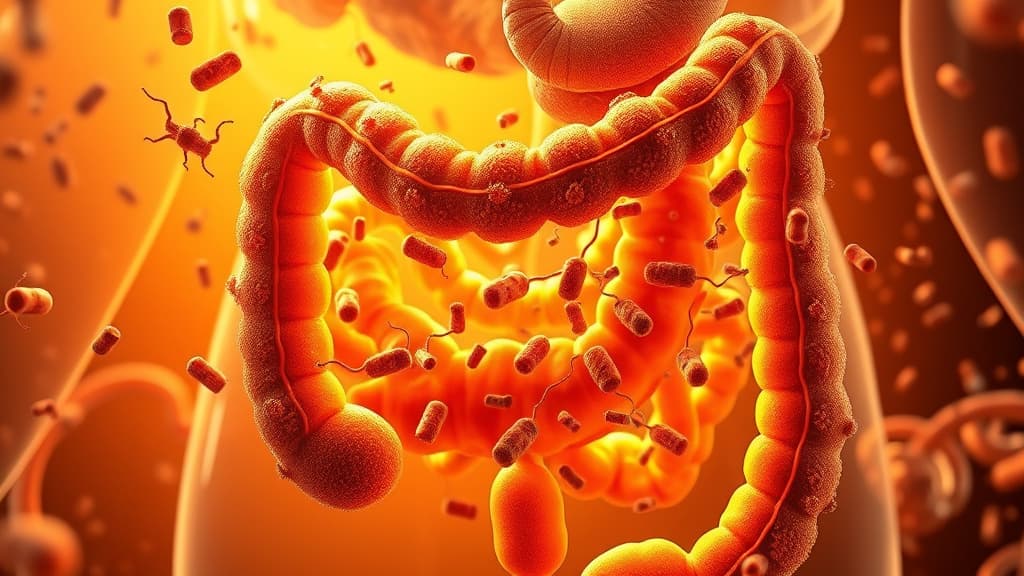
Scientists at Northwestern Medicine have made a significant discovery, unraveling how the microscopic inhabitants of our gut can effectively 'teach' our intestines to ward off inflammation, establishing a long-term protective memory. This revelation could fundamentally change how we approach the treatment and prevention of inflammatory bowel diseases and other chronic conditions.
The breakthrough centers on a specific compound called butyrate, which is a byproduct of beneficial gut bacteria breaking down dietary fiber. While butyrate has long been recognized for its anti-inflammatory properties, researchers have now found that its impact extends far beyond immediate relief. It actively reprograms the cells lining the intestine, imbuing them with the ability to maintain immune tolerance and resist inflammatory responses even when the compound itself is no longer present.
Butyrate: A Microbial Maestro for Immune Training
The study highlights butyrate as a key player in this immune education. When gut microbes process the fiber we eat, they produce this crucial short-chain fatty acid. What's truly remarkable is that butyrate doesn't just offer a temporary shield; it instills a 'memory' within the intestinal lining. This means the gut is essentially trained to proactively promote anti-inflammatory responses and preserve a balanced immune environment over an extended period.
This lasting effect is a game-changer for medical science. Current therapies for inflammatory conditions often require continuous intervention. The idea that our own gut microbiome, fueled by simple dietary fiber, can create an enduring protective state opens doors to novel therapeutic strategies. Imagine harnessing this natural process to prevent flare-ups or even reverse the progression of chronic intestinal ailments by simply optimizing our microbial ecosystem.