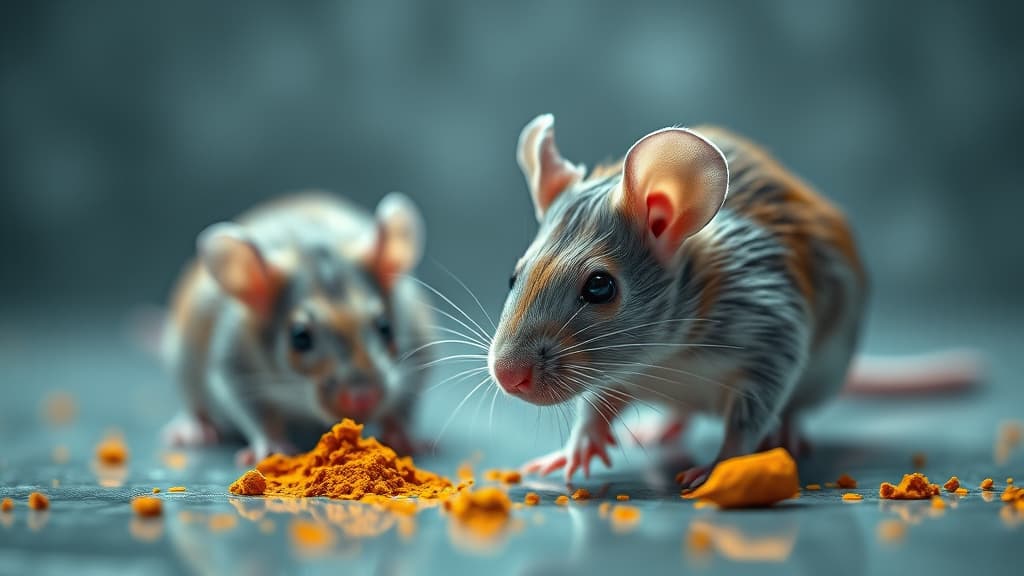
Research presented at the 2026 American Physiology Summit highlights the potential of curcumin, a compound derived from turmeric, in protecting blood vessels from the damaging effects of Type 1 diabetes. Conducted on rats, the study reveals that curcumin improves vascular health by reducing inflammation and restoring critical cellular functions.
Key Findings from the Study
- Vascular Health Improvement: Diabetic rats treated with curcumin exhibited improved vascular metrics, aligning closely with those seen in nondiabetic rats after just one month.
- Inflammation Reduction: The study indicates that curcumin treatment effectively reduces inflammation and restores calcium activity in blood vessels, which is vital for maintaining vascular health in diabetic conditions.
- Heat Shock Protein Regulation: Curcumin administration helped rebalance heat shock protein 70 regulation, which is often disrupted by diabetes, suggesting its role in preventing vascular complications.
- Diabetes Prevalence: Approximately 2 million people in the U.S. suffer from Type 1 diabetes, which heightens their risk for early cardiovascular issues attributed to impaired vascular function.
- Future Research: Researchers stress that while curcumin shows significant promise, the observed effects in rats require extensive clinical trials to ascertain safe dosages and possible interactions in humans.
This study underscores the importance of finding effective treatments to mitigate cardiovascular risks associated with diabetes. The encouraging results point to curcumin as a potential candidate, although further investigation is essential to translate these findings into clinical practice.