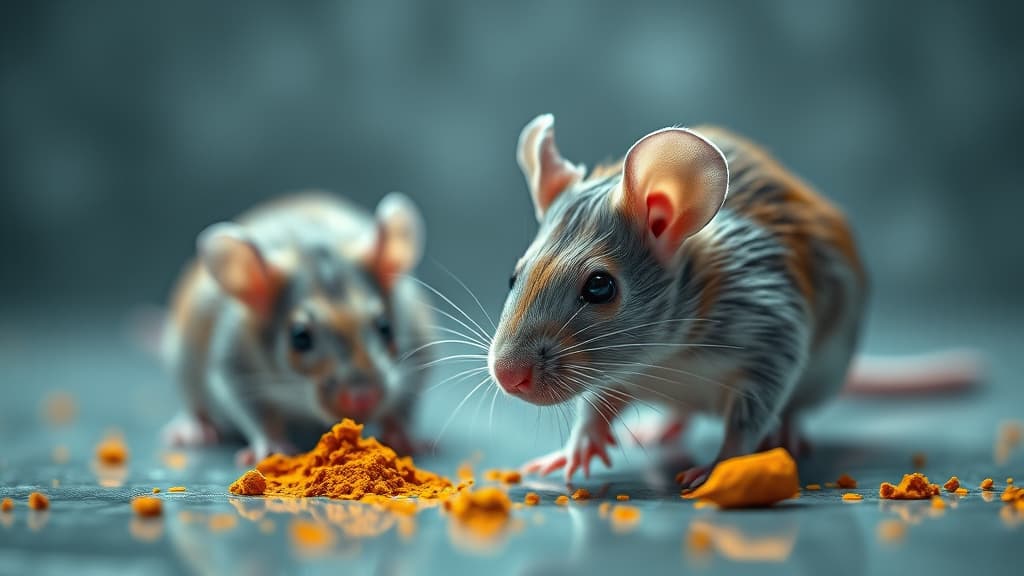
Recent research unveiled at the 2026 American Physiological Society Summit highlights the potential of curcumin, a primary compound in turmeric, in safeguarding blood vessels from Type 1 diabetes-related damage in rat models. Following a month-long treatment with curcumin, diabetic rats exhibited vascular health improvements comparable to those of non-diabetic rats. This suggests that curcumin could play a significant role in cardiovascular health for individuals with diabetes.
Key Findings
- Curcumin has shown the capability to reduce inflammation and enhance blood vessel function in diabetic rat models, prompting future cardiovascular research linked to diabetes.
- Conducted under the leadership of PhD candidate Swasti Rastogi, the study revealed that curcumin could restore calcium signaling and balance levels of heat shock protein 70, both critical for maintaining vascular health in Type 1 diabetic rats.
- Type 1 diabetes currently impacts around 2 million people in the U.S., often resulting in early cardiovascular complications due to ongoing damage to blood vessels.
- After one month of curcumin treatment, rats demonstrated vascular health improvements, indicating a potential for maintaining blood vessel elasticity and structural integrity, which may reduce heart disease risks associated with diabetes.
- Researchers stress the importance of conducting human clinical trials to validate the efficacy and safety of curcumin before it can be considered a supplementary option for diabetes management.
Why It Matters
The findings underscore the urgent need for novel therapeutic approaches to manage cardiovascular risks in diabetes patients. While the study provides promising results in animal models, transitioning to human trials will be crucial to fully understand curcumin's potential benefits and applications in diabetes care.
For more details, read the original article here.