A Geopolitical Tug-of-War
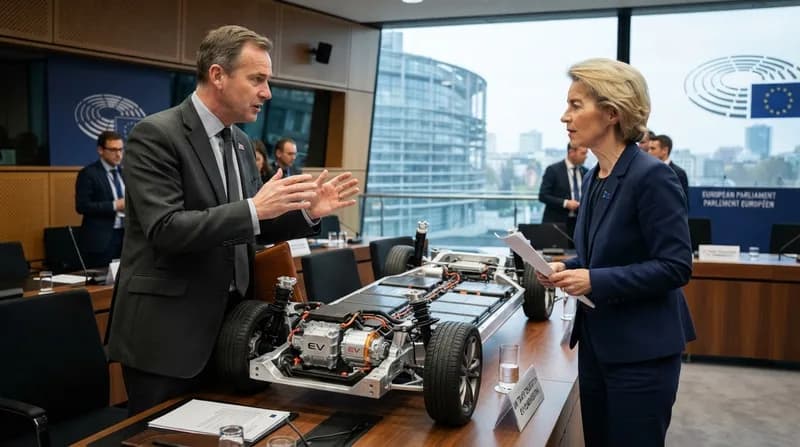
The landscape of European automotive trade is shifting as Brussels reportedly applies pressure on the United Kingdom to align its trade policies with the European Union. Central to these discussions is the contentious issue of import tariffs on Chinese-manufactured electric vehicles (EVs). Reports indicate that the EU is conditioning the UK's inclusion in its ambitious 'Made in Europe' industrial policy—a core pillar of the bloc's Industrial Accelerator Act—on London’s willingness to mirror the EU’s existing anti-subsidy tariff structure against Chinese automakers.
Since late 2024, the EU has implemented a rigorous tariff regime, imposing additional levies ranging from 7.8% to 35.3% on top of a base 10% duty on battery-electric vehicles sourced from China. Conversely, the UK has maintained a more open trade posture, currently levying only the standard 10% duty. Brussels fears that without harmonized policies, the UK could inadvertently serve as a back-door entry point for Chinese vehicles into the broader European single market, undermining the protective measures designed to bolster domestic European production.
The Balancing Act for UK Industry
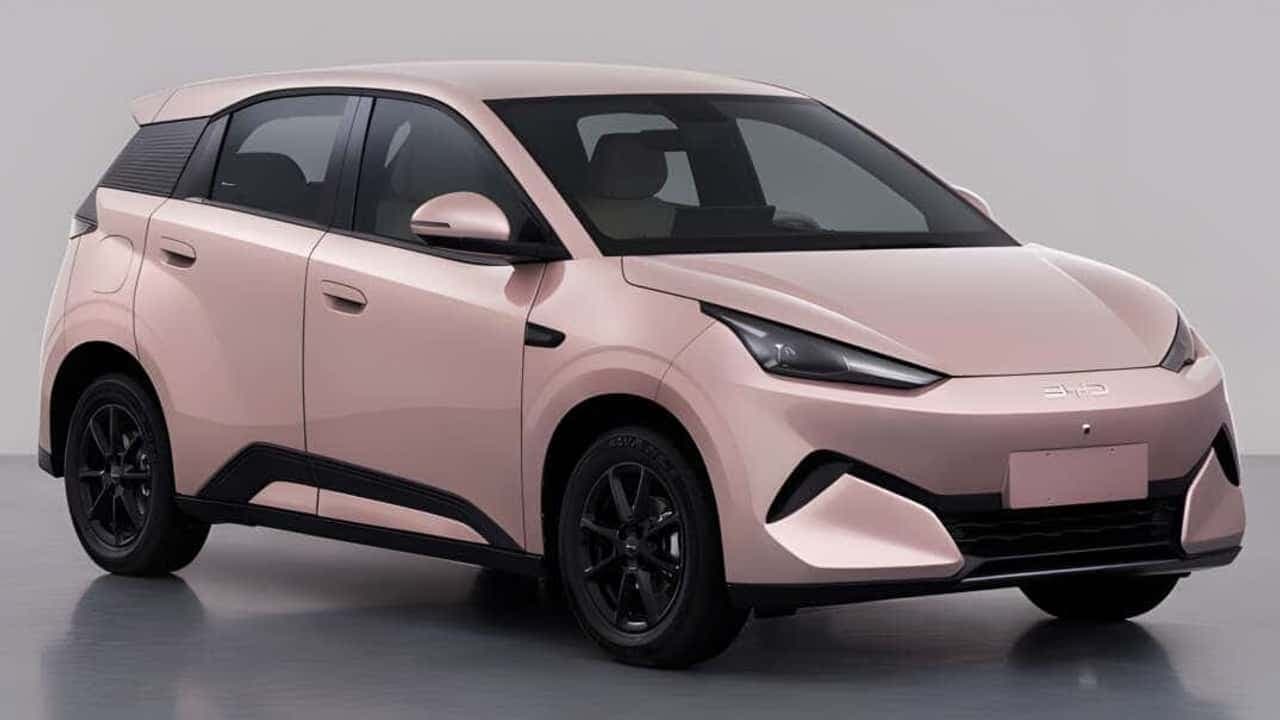
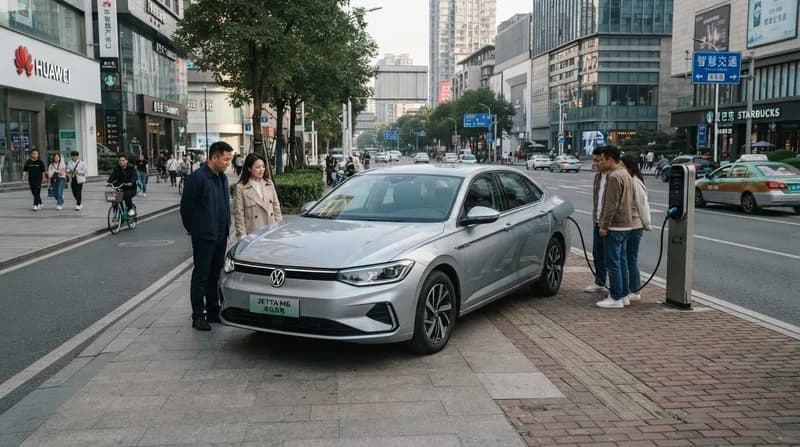
For the British government, the decision is a high-stakes balancing act. Data suggests that Chinese-made vehicles now claim approximately 16% of the UK market, making them a significant factor in consumer choice and market competition. However, the UK is simultaneously courting major investments from Chinese firms, such as the potential contract manufacturing collaboration between Chery and Nissan at the historic Sunderland plant. Alienating these partners through aggressive tariffs could stifle domestic growth, while ignoring the EU's demands risks excluding British firms from vital European supply chain integration.
UK Business and Trade Secretary Jonathan Reynolds has publicly acknowledged that the government is keeping the tariff situation under active review. The dilemma is underscored by the interconnected nature of the two markets; the Society of Motor Manufacturers and Traders (SMMT) recently highlighted that the UK automotive sector supports an estimated 250,000 jobs and €24 billion in economic activity within the EU annually. The SMMT argues that excluding the UK from 'Made in Europe' incentives would be counterproductive, damaging the competitiveness of manufacturers on both sides of the English Channel.
Why It Matters
- Supply Chain Integration: The UK automotive sector is deeply embedded in European supply chains; losing 'Made in Europe' status could lead to significant cost increases and logistical hurdles.
- Chinese Market Penetration: As Chinese EV brands increase their market share to 16%, the UK faces a choice between protecting domestic OEMs or maintaining competitive, lower-cost consumer pricing.
- Industrial Autonomy: The EU's stance reflects a broader effort to shield its transition to green mobility from unfair competitive distortions while building a resilient, internal industrial base.
- German Industry Support: In a surprising turn, regional leaders in German automotive hubs, including Bavaria and Baden-Württemberg, have advocated for the inclusion of the UK in 'Made with Europe' rules, highlighting the internal divide within the EU regarding how strictly to enforce these new trade boundaries.
The Outlook
The negotiations remain ongoing, with no immediate resolution in sight. The prospect of further complex trade barriers, specifically the stricter 'rules of origin' for EV batteries set to arrive in 2027, adds another layer of urgency to these talks. While Brussels demands alignment as a prerequisite for partnership, London remains wary of the potential for retaliation from Beijing. As it stands, the UK is caught between the desire for post-Brexit regulatory freedom and the cold reality that its economic survival remains tethered to its largest trading partner across the Channel.