A Bold Evolution for a Best-Seller
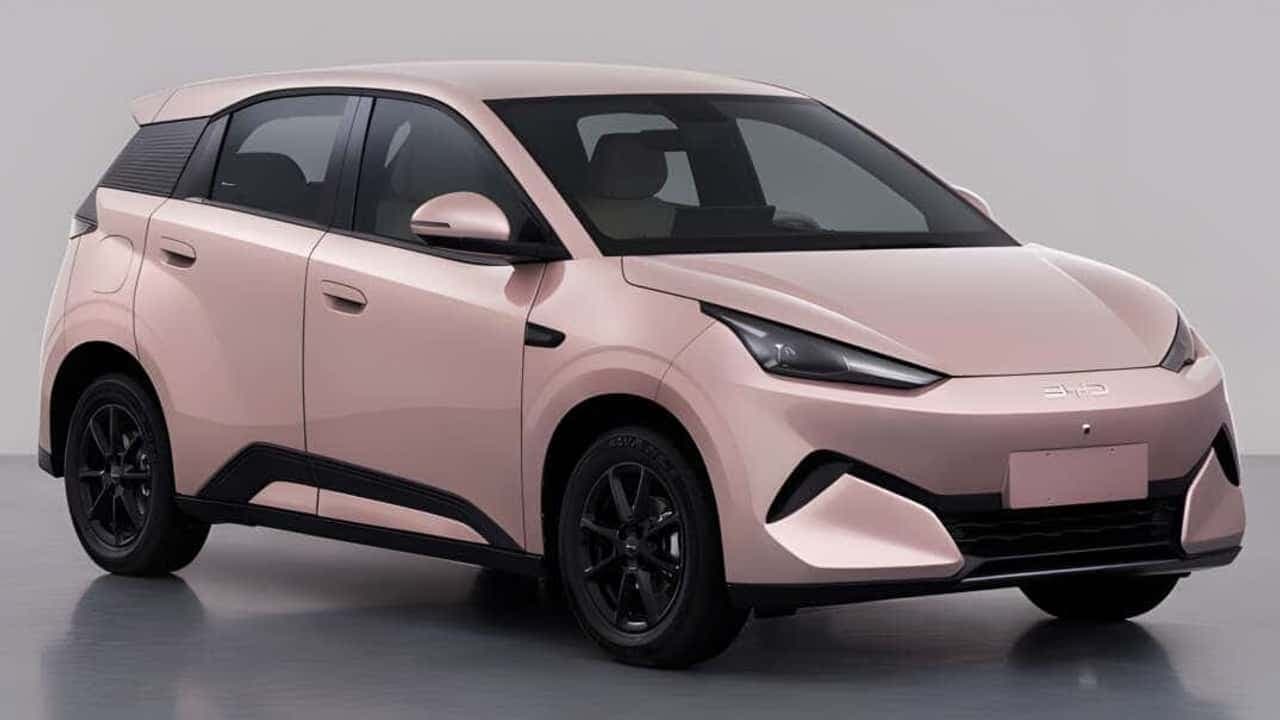
The BYD Seagull, known as the Dolphin Surf in various international markets, is poised for a significant transformation. Long recognized as a dominant force in the Chinese budget EV segment, the second-generation model aims to shed its image as a basic commuter by adopting a more muscular architecture and sophisticated performance hardware. This shift signals a broader strategy by BYD to capture the entry-level market not just through low pricing, but through genuine technological superiority.
Dimensionally, the vehicle has grown considerably to address cabin space concerns. The new iteration spans 165.5 inches in length, marking an increase of nearly 17 inches over its predecessor. The wheelbase has also been stretched by 5.9 inches, providing a more stable footprint and creating a much-needed increase in legroom, transitioning the vehicle from a tight four-seater to a more practical five-passenger configuration.
Mechanical Overhaul and Performance Upgrades
The most radical change in the second-generation Seagull lies under the sheet metal. BYD has abandoned the front-wheel-drive platform of the first generation in favor of a rear-wheel-drive layout. This transition is accompanied by a significant boost in output, with the motor power jumping from 73 horsepower to a much more spirited 127 horsepower. The switch to a rear-mounted motor has also allowed for the inclusion of a front trunk, or 'frunk,' providing the kind of utility often reserved for premium EV platforms.
Handling characteristics are also expected to improve markedly. The suspension has been upgraded to an independent multi-link setup at the rear, replacing the basic torsion beam found in the original. Supported by wider 205-millimeter tires on 16-inch rims, the vehicle promises a more planted, engaging driving experience that positions it as a driver-focused option in a segment usually defined by uninspired driving dynamics.
Battery Tech and Flash Charging
Perhaps the most disruptive element of the new Seagull is its adoption of an 800-volt electrical architecture. Paired with lithium iron phosphate (LFP) battery technology, BYD’s new 'Flash Charging' system delivers results that rival high-end electric luxury vehicles. The vehicle will be available with either a 30-kilowatt-hour or a 39.2-kilowatt-hour battery pack.
The charging performance is the standout spec here: BYD reports that the vehicle can reach a 70% state-of-charge in just five minutes, with a 97% charge achievable in nine minutes. While these figures are based on the CLTC cycle, they point to a massive reduction in downtime for urban drivers. In terms of range, the smaller pack offers a CLTC-rated 199 miles, while the larger configuration stretches that to 260 miles, offering substantial flexibility for a vehicle of this size.
Advanced Driver Assistance and Tech Integration
Beyond the hardware, the new Seagull is stepping into the realm of high-tech autonomy. The integration of lidar-based advanced driver assistance systems (ADAS) ensures that the vehicle stays competitive in an increasingly automated market. This level of hardware, usually reserved for mid-to-high-tier sedans, highlights BYD's aggressive push to democratize safety and convenience features.
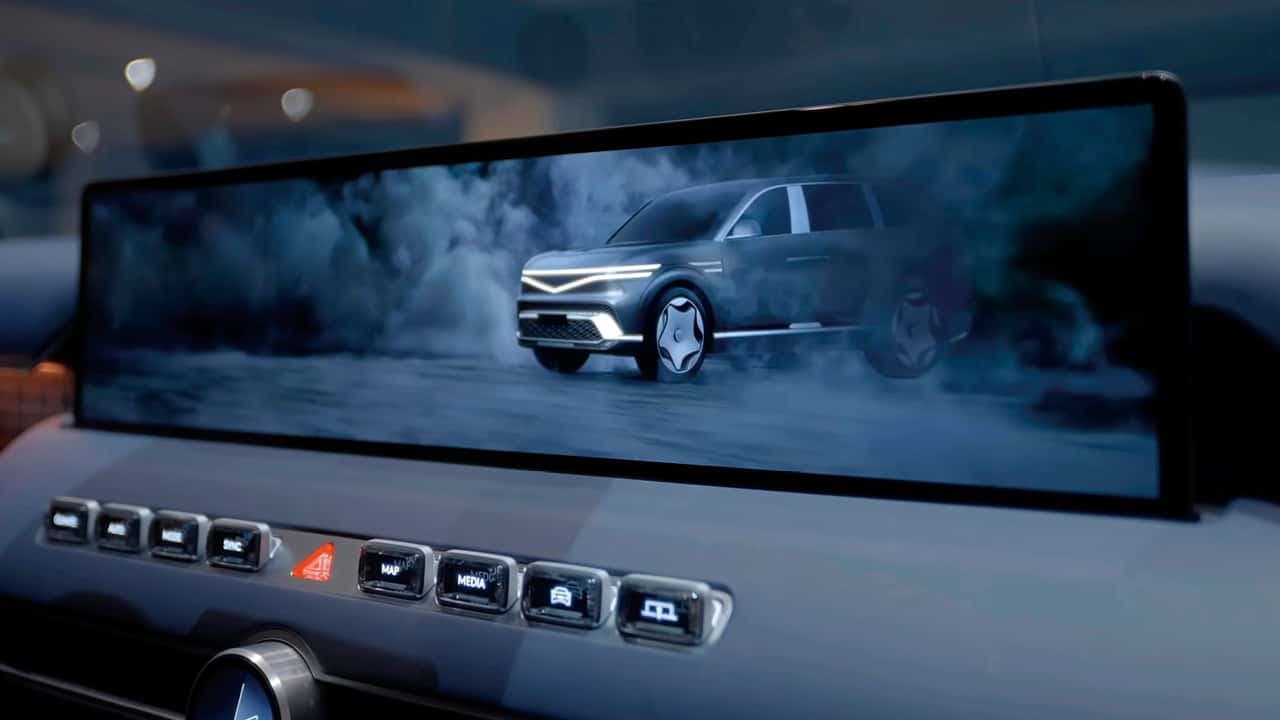
Inside the cabin, the interface has been overhauled to revolve around a massive central touchscreen, serving as the command center for infotainment and vehicle settings. While final pricing for the second generation has not been confirmed, the aggressive nature of these upgrades suggests that BYD is aiming to maintain its dominance in the sub-$15,000 category, setting a new benchmark for what consumers can expect from entry-level mobility.