The Rise of the Extended-Range EV
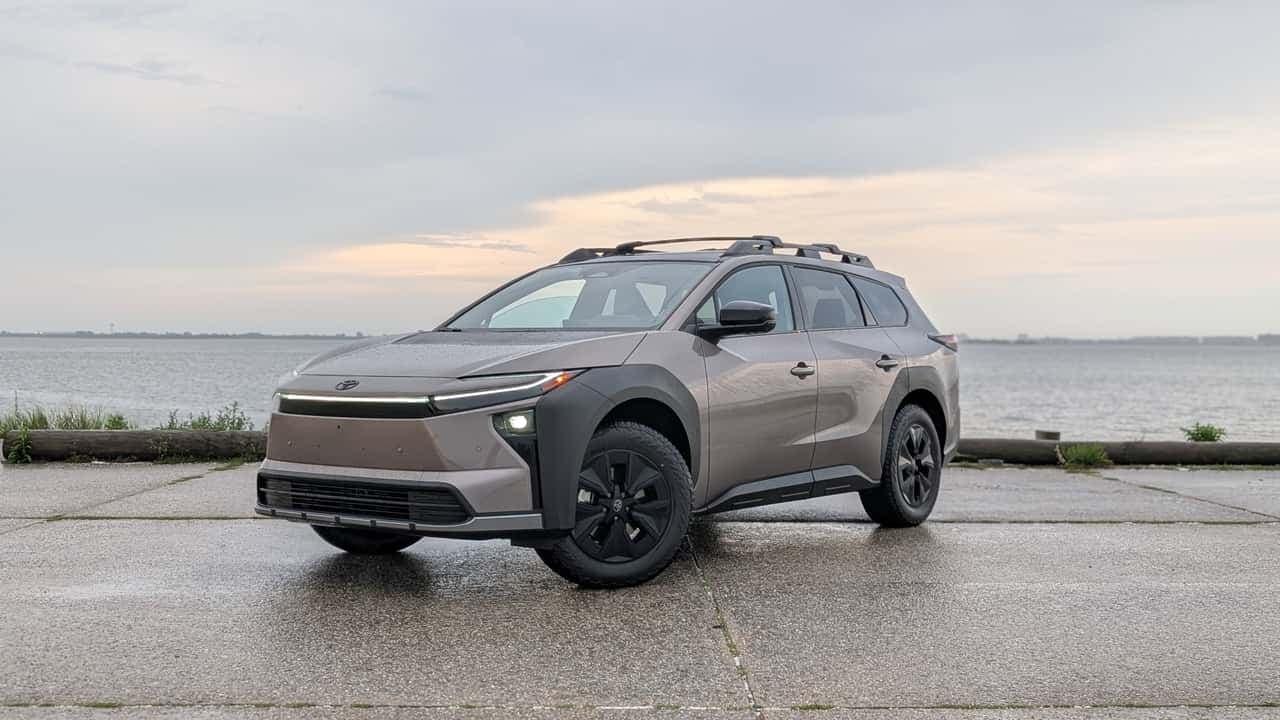
In a strategic maneuver that reinforces its commitment to a multi-faceted approach to electrification, Toyota is reportedly preparing to enter the extended-range electric vehicle (EREV) market in China. By adopting this powertrain, which utilizes electric motors for propulsion supported by an onboard internal combustion generator, the automaker aims to bypass the limitations currently hindering full battery-electric vehicle (BEV) adoption in certain regions. Unlike traditional hybrids, EREVs operate primarily on electricity, using the engine solely as a power plant to maintain battery charge, effectively mitigating range anxiety while sidestepping the complexities of full-scale charging infrastructure.
Reports suggest that Toyota is setting an ambitious roadmap for this transition. Current projections indicate that the company plans to initiate production with modest volumes, eventually scaling to 200,000 units annually by 2027. The momentum is expected to double by 2028, signaling that Toyota views the EREV platform not as a niche stopgap, but as a core pillar of its future portfolio in the world's most competitive automotive market.
Why It Matters: Bridging the Gap
- Strategic Market Positioning: In China, the intense price wars among EV manufacturers have created a volatile landscape for pure BEVs. By pivoting to EREVs, Toyota can offer a compelling alternative that addresses consumer range concerns and price sensitivity.
- Manufacturing Efficiency: Utilizing a gas generator to extend range allows for smaller, more cost-effective battery packs, which helps maintain profit margins even in a hyper-competitive pricing environment.
- Global Trends: While the initial focus is on the Chinese market, the success of this architecture could provide a blueprint for global expansion, particularly as other major players like Hyundai, Ford, and Ram look to implement similar technologies for heavy-duty SUVs and pickup trucks.
The Competitive Landscape
Toyota is not alone in its pursuit of this technology. The global automotive sector is increasingly viewing the EREV as the 'Goldilocks' solution for large-format vehicles that struggle with the weight and range-loss penalties of massive battery arrays. As startups like Xiaomi aggressively iterate on SUV designs with extended-range capabilities, legacy giants are feeling the pressure to adapt. For Toyota, integrating this technology is a defensive move intended to insulate the brand from being caught in the crossfire of pure EV price wars while continuing to leverage its world-class expertise in hybrid powertrain engineering.
Looking ahead, the industry will watch closely to see how Toyota executes this rollout. Should this technology gain traction, it could fundamentally alter the perception of what constitutes an electrified vehicle, pushing the industry further away from the binary choice between internal combustion and battery-only propulsion. For now, the move highlights Toyota's enduring philosophy that a singular approach to carbon neutrality is insufficient, and that the best path forward is one paved with a diverse, adaptable technological toolkit.