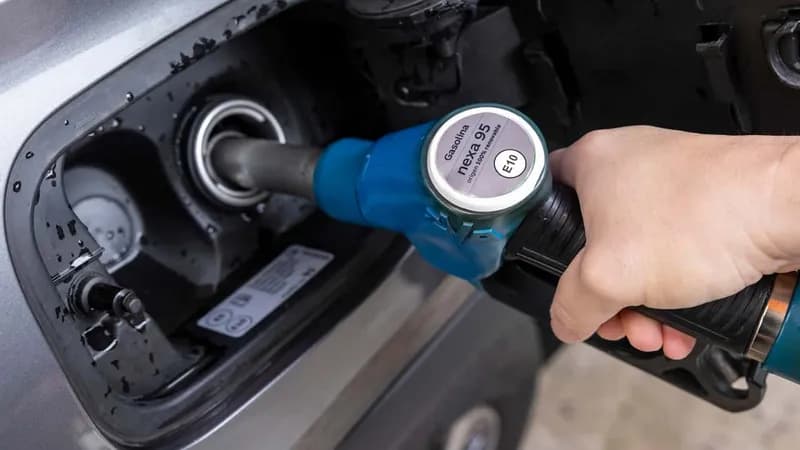
Toyota and BMW have initiated a joint real-world testing phase for renewable gasoline as a potential alternative to full battery-electric vehicles. The two automotive giants are utilizing Nexa 95, a renewable fuel developed by Repsol, to determine its viability in reducing the carbon footprint of internal combustion engines.
A 70% Reduction in Emissions
The primary appeal of Nexa 95 lies in its environmental impact. According to the manufacturers, this renewable fuel promises to reduce CO2 emissions by up to 70% compared to traditional fossil fuels. This trial highlights a multi-pathway approach to decarbonization, suggesting that liquid fuels could remain relevant alongside the industry's shift toward electrification.
By testing the fuel in existing engine architectures, Toyota and BMW aim to provide a solution for reducing emissions in the current global fleet without requiring immediate, massive infrastructure overhauls or total vehicle replacements.