A New Protocol for High-Stakes Situations
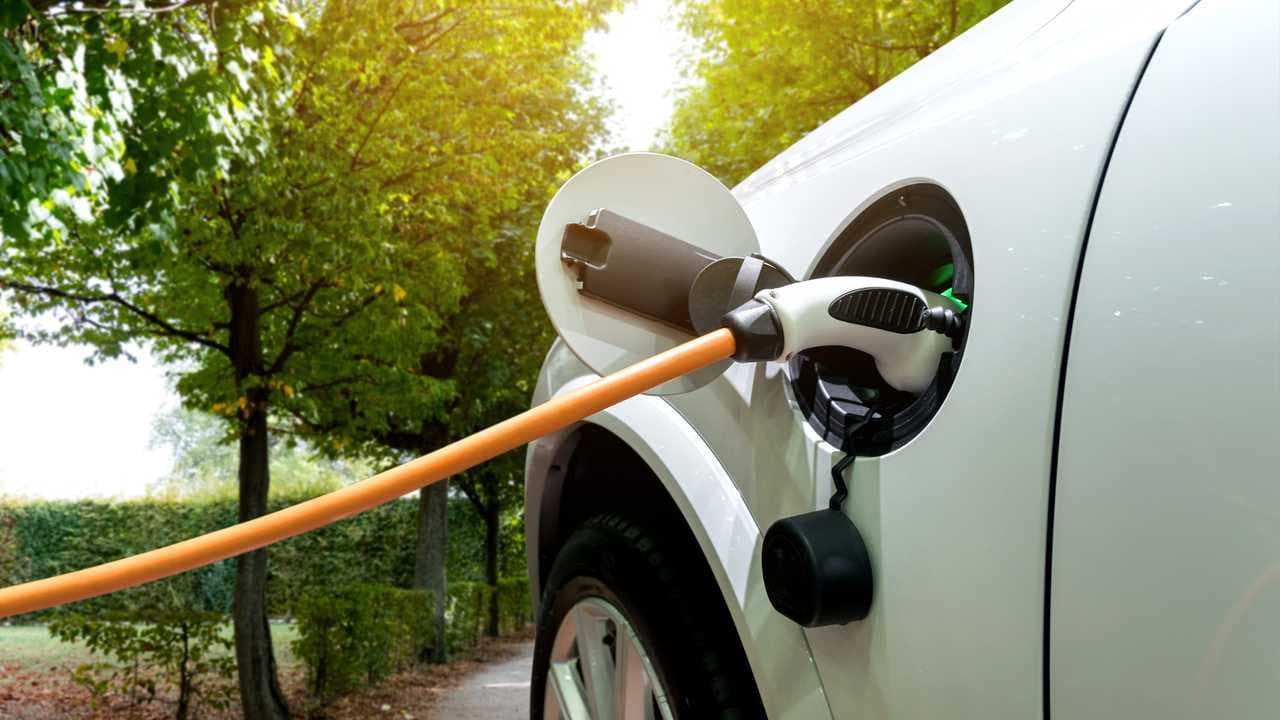
Tesla has officially announced a significant, albeit sobering, update to its vehicle software suite: the Emergency Drive Away feature. Designed as a literal last-resort escape mechanism, this functionality enables Tesla owners to depart from a Supercharger station even while the charging cable remains physically engaged with their vehicle. This update, which will be distributed via an over-the-air (OTA) push, seeks to address growing concerns regarding occupant safety at public charging infrastructure.
The impetus for this development follows high-profile public safety incidents where charging vehicles became stationary targets. By enabling an override of the standard charging lock, Tesla provides a window of opportunity for drivers to quickly vacate a location that has suddenly turned hostile. Max de Zegher, Tesla's senior director of charging for North America, described the tool as a feature that the company hopes no owner will ever actually need to utilize, emphasizing that Tesla remains committed to selecting sites with safety as a top priority.
Understanding the Operational Mechanism and Risks
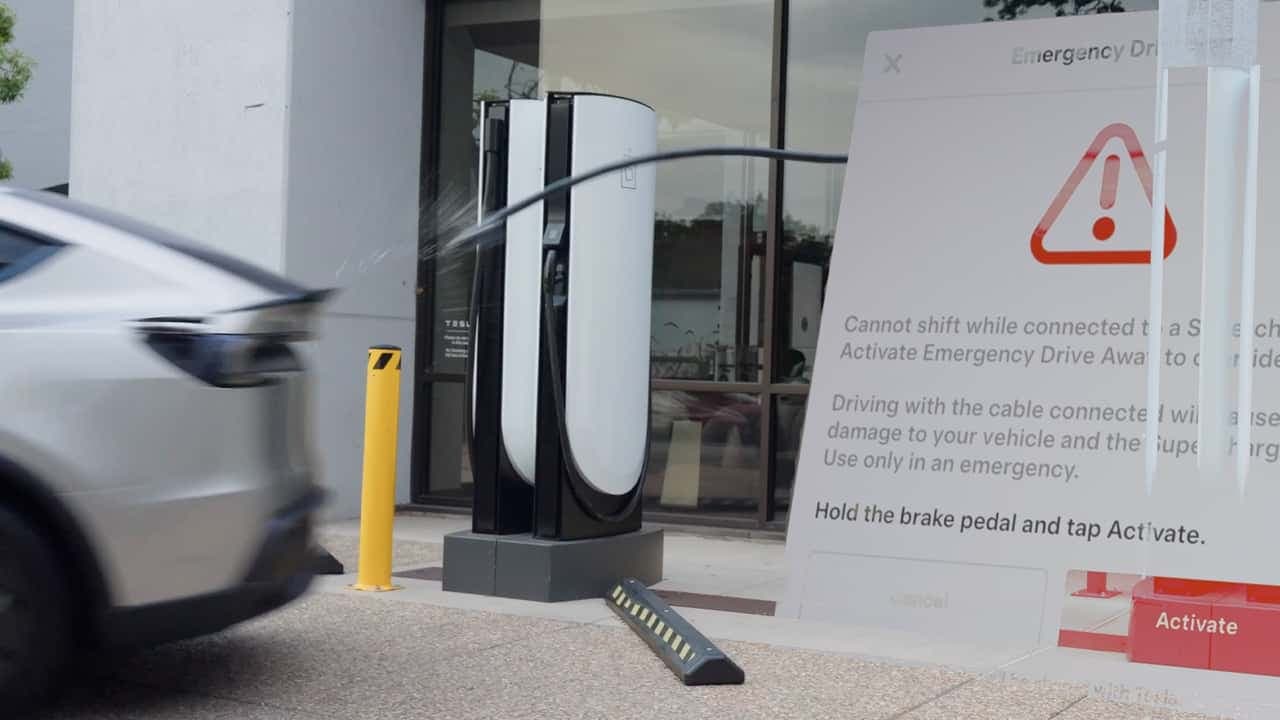
Activating the Emergency Drive Away feature is intentionally designed to be a deliberate, heavy-handed process rather than a simple tap-and-go command. To initiate the override, a driver must place their vehicle into 'Drive' and interact with a mandatory pop-up warning on the center touchscreen. This notification explicitly informs the user that proceeding will cause significant damage to both the vehicle’s charging hardware and the Supercharger stall itself. Once the user acknowledges this, they must apply significant acceleration to forcefully break the connection.
The mechanical reality of using this feature is severe. Upon initiation, the vehicle’s motorized charge port cover can be rendered non-functional, and the mechanical connection to the Supercharger handle will be forcibly severed. Tesla’s own technical assessments indicate that the process causes structural damage, including potential cooling system leakage from the charging cable and internal damage to the car's charge port assembly. These components are expensive to replace, and a mandatory post-incident service visit to a Tesla service center is required to ensure the vehicle remains safe to operate after such an event.
Why It Matters
- Emergency Preparedness: Provides a critical escape route for drivers in dangerous or threatening environments at public charging sites.
- Liability Awareness: The company notes that repairs for damaged electrical and civil engineering infrastructure at a charging stall can reach costs as high as $25,000.
- System Monitoring: Every activation of this feature is recorded, with video clips transmitted directly to Tesla to prevent misuse of the emergency override.
- Strict Limitations: The feature is exclusively for Tesla Superchargers in the U.S. and does not apply to third-party chargers or home-based Level 2 Wall Connectors.
A Tool, Not a Convenience
Tesla has been categorical in its messaging: this is not a shortcut for those in a hurry. The company has made it clear that deliberate misuse of the function to avoid normal charging etiquette will not be tolerated and may lead to additional penalties for the vehicle owner. By mandating a confirmation screen and initiating automatic video recording upon activation, Tesla is creating a high barrier to entry for the feature, ensuring it remains reserved for genuine emergencies rather than being treated as a routine convenience.
As the electric vehicle landscape continues to mature, manufacturers are increasingly tasked with addressing edge-case scenarios in the physical world. While the hardware damage resulting from an emergency departure is non-trivial, the introduction of this software toggle reflects a shift toward prioritizing driver safety above the preservation of charging hardware. For owners, the update acts as a piece of digital armor—one that remains dormant until the moment it becomes absolutely necessary.