A Major Leap Toward Zero-Emission Transit
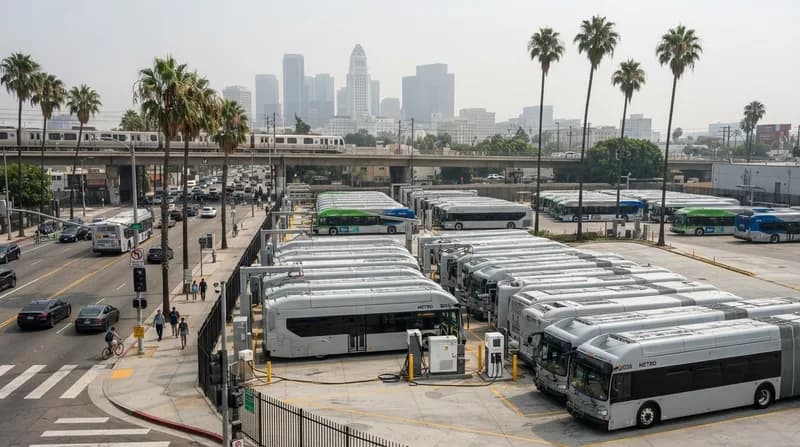
The Los Angeles Metropolitan Transportation Authority (LA Metro) has officially greenlit a transformative contract worth $337.7 million to acquire 220 AXESS EVO-BE battery-electric buses from ENC. This substantial order represents a significant milestone for U.S. public transit, standing as the largest purchase of 40-foot battery-electric buses ever recorded by a domestic transit agency. The procurement is a cornerstone of LA Metro’s aggressive mandate to transition its entire public transportation fleet to zero-emission technology by 2030.
Engineering and Performance Specs
The AXESS EVO-BE model is designed to handle the rigorous demands of a sprawling urban environment like Los Angeles. Each vehicle is powered by BAE Systems’ advanced Gen 3 electric drive platform, ensuring reliability and efficiency in stop-and-go traffic. To support long routes, these buses come equipped with substantial battery capacity, featuring up to 738 kWh of storage. Depending on operational conditions and vehicle configuration, LA Metro anticipates a real-world range spanning between 174 and 250 miles on a single charge.
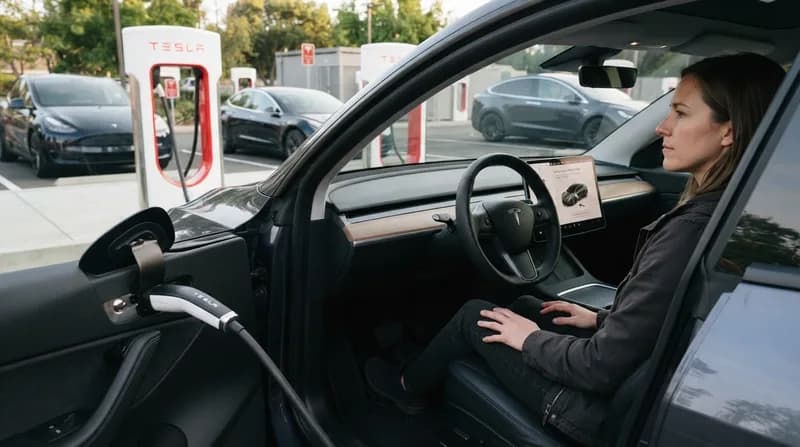
ENC is further enhancing the operational flexibility of these buses through a strategic partnership with InductEV. This integration allows for the deployment of high-power wireless charging systems, capable of delivering up to 450 kW to keep the fleet energized without the need for manual plug-in procedures at depots.
Why It Matters
- Strategic Timing: These buses are scheduled to arrive ahead of the 2028 Olympic and Paralympic Games, serving as a clean-energy centerpiece for the city's global spotlight.
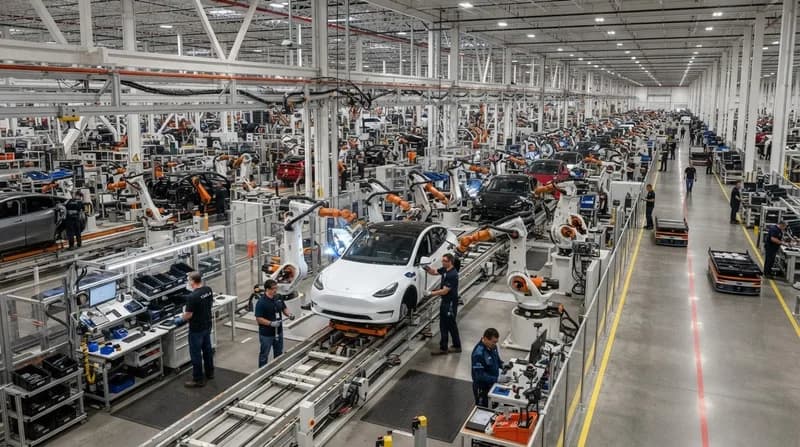
- Local Economic Impact: The units will be manufactured locally at ENC’s 227,000-square-foot facility in Jurupa Valley, California, bolstering local manufacturing jobs and supporting a robust regional supply chain.
- Scaling Potential: Beyond the initial 220 units, the contract includes options for an additional 1,600 buses, providing LA Metro with a scalable pathway to replace its remaining combustion-engine fleet over the coming years.
The Broader Roadmap
This initiative follows a series of clean-transportation investments across California, including a recent $202 million state commitment toward 143 transit projects. With LA Metro positioning itself as the primary leader in urban electrification, the city is rapidly building a comprehensive infrastructure network that pairs these electric buses with other initiatives, such as the 500 electric school buses already slated for the 2028 Games. As the deadline for the 2030 fleet transition looms, the partnership between ENC and LA Metro serves as a high-visibility blueprint for other major metropolitan centers looking to decarbonize their transit systems.