A Challenging Landscape for Volvo
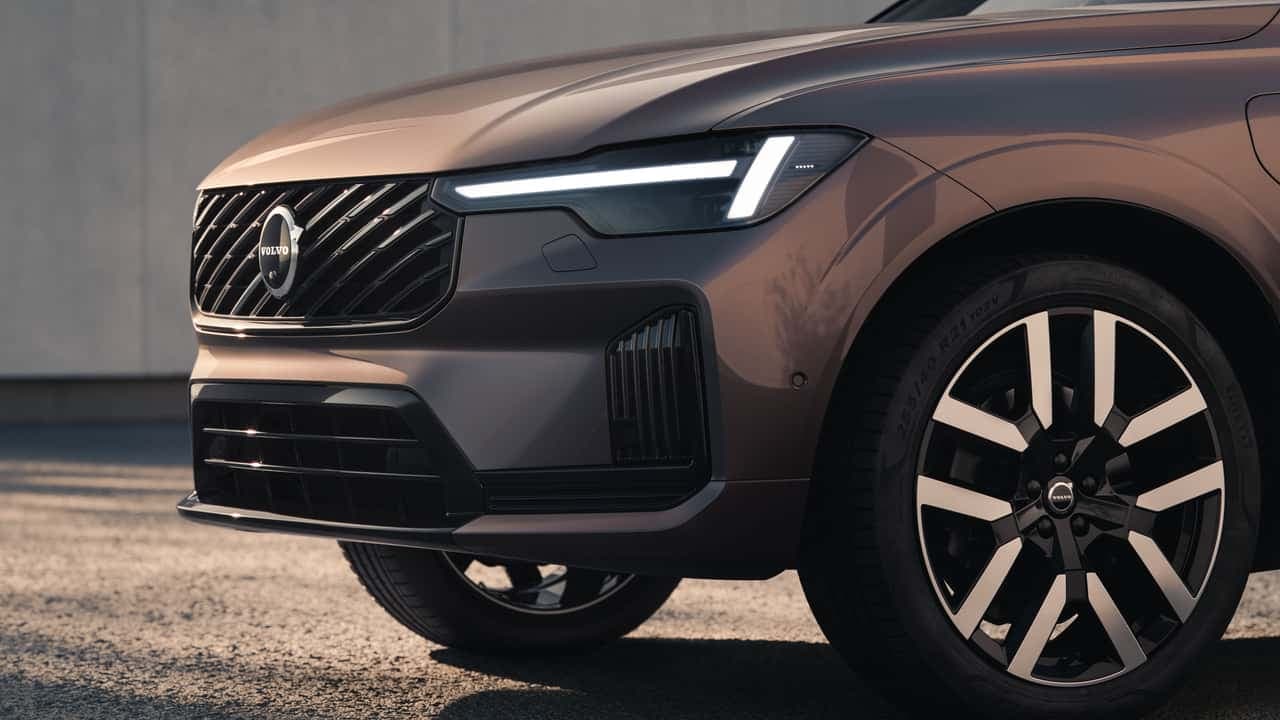
Volvo Cars, the Swedish automotive icon long synonymous with safety and reliability, has hit a significant roadblock. In a move that sent shockwaves through the market and triggered a drop in share prices, the company has officially withdrawn its full-year guidance for 2026. This decision follows a lackluster third quarter that saw global sales dip by 10.7% year-over-year, totaling 141,609 units. While the company maintains a stable foothold in Europe, its performance in China and the United States has faltered, leading to a climate of uncertainty that forced leadership to pull back on previously issued projections regarding volume and cash flow.
The root causes of this downturn are multifaceted, reflecting a broader malaise in the global automotive sector. Volvo’s leadership cited increased competition in the SUV segment, waning consumer sentiment, and a distinct softening of demand for electrified vehicles in the U.S. as primary drivers for the missed targets. With the brand’s stock value having plummeted roughly 50% since the beginning of the year, the pressure is on to stabilize the ship and navigate a shifting landscape defined by rapidly changing buyer preferences and high-stakes market competition.
The Regional Divide
The discrepancy between regional performance highlights the volatility currently gripping the automotive market. Europe remains the lone bright spot, where Volvo saw a 2% growth in sales, bolstered by a 51% surge in electric vehicle (EV) deliveries. Conversely, China has become a significant source of strain, with sales plummeting 40.6% compared to the same period last year. The U.S. market has also struggled, with an 8.7% overall drop and a particularly concerning 41.1% decline in pure battery-electric vehicle (BEV) sales.
Interestingly, the brand's performance metrics reveal a polarized landscape. While mild hybrid and plug-in hybrid sales saw steep declines of 23.6% and 18% respectively, global demand for pure electric models remains a resilience factor, growing by 28.6% year-over-year. This suggests that while Volvo is currently struggling with its legacy lineup and specific market positioning, the appetite for its electric offerings—outside of the struggling U.S. segment—remains robust.
The Road to Recovery: EX60 and Beyond
To pivot back toward growth, Volvo is pinning its hopes on a fresh product offensive. The current lineup has been criticized for being stagnant, with the EX30 entry-level crossover facing pricing hurdles and the flagship EX90 suffering from a rocky rollout and high entry costs. Furthermore, the discontinuation of the EX40 has left a hole in the brand's portfolio. The strategy moving forward centers on the highly anticipated EX60 electric SUV, which is expected to revitalize the company’s U.S. presence by offering a more competitive package in a segment where buyers are currently moving toward rivals.
Beyond the hardware, structural changes are on the horizon. The automaker is actively preparing for an era of renewed leadership with a new CEO, poached from Volkswagen Group’s Skoda brand, set to helm the transition. With plans to launch 13 new models by the end of the decade and a target to raise margins to 8%, the company is betting that a more aggressive release cycle and refreshed, long-range plug-in hybrid offerings for the XC60 and XC90 will bridge the gap until the market fully stabilizes. The next 18 months will prove critical in determining whether these strategic shifts are sufficient to restore investor confidence and reclaim lost market share.