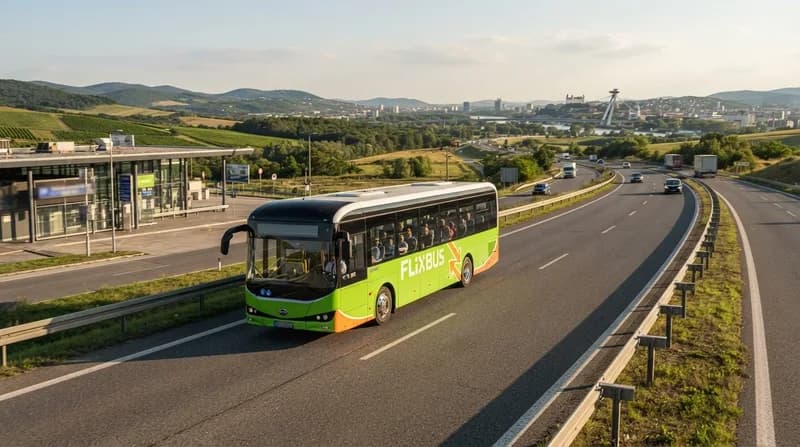
The Shift to Electric Transit
In a significant milestone for sustainable public transportation, FlixBus has launched a full-scale electric coach service connecting Vienna and Bratislava. Unlike previous short-term pilot projects, this route utilizes a dedicated fleet of eight battery-electric buses to maintain a high-frequency schedule, marking a transition from experimental testing to standard commercial operations. By covering the 80-kilometer distance with 66 daily trips, the company is proving that electric propulsion can handle the rigors of dense, long-distance intercity transit.
Vehicle Specs and Infrastructure
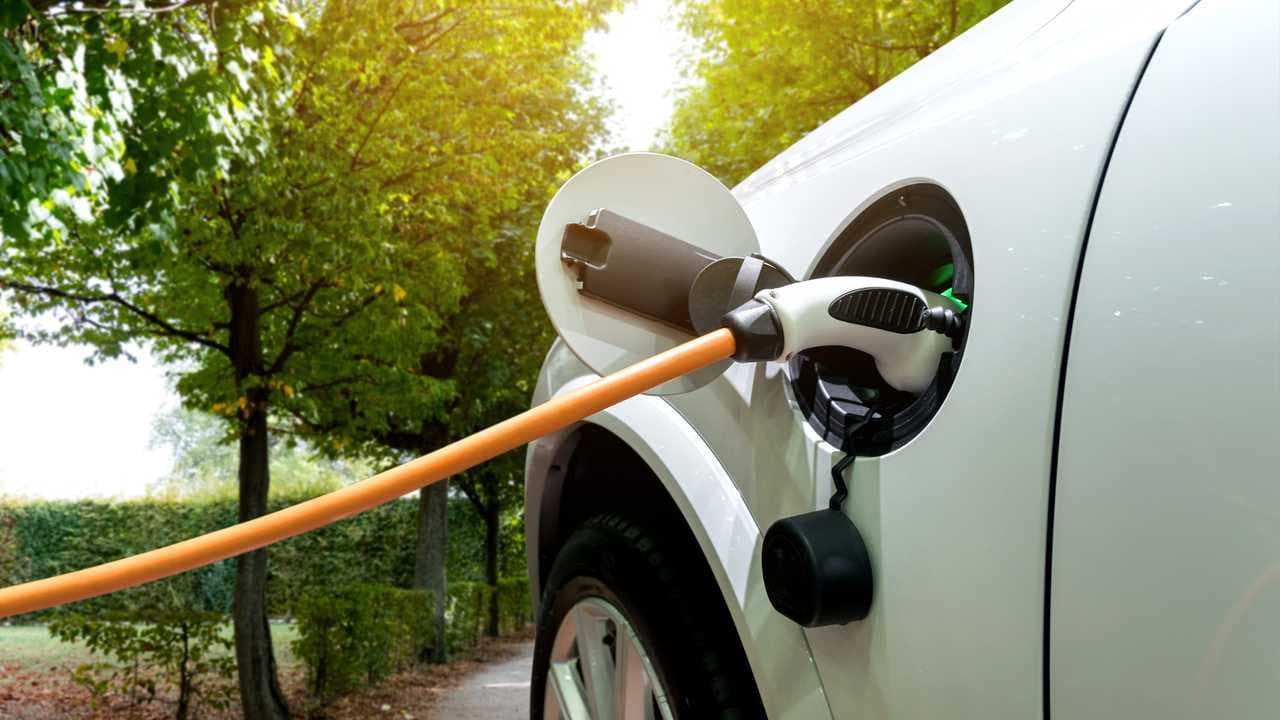
The fleet consists of Yutong T12E electric coaches, selected for their robust performance and reliability. Each bus is outfitted with a substantial 466 kWh battery pack, providing a stated operational range of approximately 500 kilometers. This range is more than sufficient for the 80-kilometer commute, allowing for optimized charging cycles that fit seamlessly into the daily schedule. The project is backed by a localized charging strategy, where buses are topped up at terminals in Vienna and Bratislava. To further minimize the environmental footprint, these charging hubs are powered by photovoltaic arrays paired with on-site battery storage systems, creating a localized green energy loop.
Why It Matters
The Vienna-Bratislava project serves as a blueprint for future electrified regional transit. By leveraging the relatively flat terrain and the proximity of the two cities, FlixBus demonstrates that modern electric coach technology is ready for prime time when paired with strategic infrastructure planning. Key takeaways include:
- Scalability: Moving beyond one-off trials proves that logistical hurdles can be cleared with proper planning.
- Emission Reductions: The operator anticipates a savings of roughly 66 kilograms of CO2 per 100 kilometers compared to traditional diesel-powered coaches.
- Economic Viability: The venture is supported by a mix of private investment from partner Blaguss and public funding from the EU's NextGenerationEU programme, highlighting how collaborative financial models can accelerate green infrastructure adoption.
Strategic Outlook
This initiative represents a pivotal shift in the European bus industry. While many operators have hesitated to commit to electric fleets due to range anxiety and charging downtime, FlixBus is leveraging high-density, shorter routes to minimize risk. By integrating airport links and city-center stops, the route captures a high volume of commuters and travelers, ensuring the electric fleet remains busy throughout the day. If this high-frequency model continues to yield positive results, it is highly likely that FlixBus will expand similar electric corridors across other short-haul European routes in the coming years, further decoupling intercity travel from fossil fuel reliance.