E-BUZZ ME Logo
Electric VehiclesTechnical Deep Dive

2026 Hyundai Ioniq 5 N Sees Significant Price Drop and NACS Integration

Published
2026 Hyundai Ioniq 5 N Sees Significant Price Drop and NACS Integration
1 min read158 words

The Gist

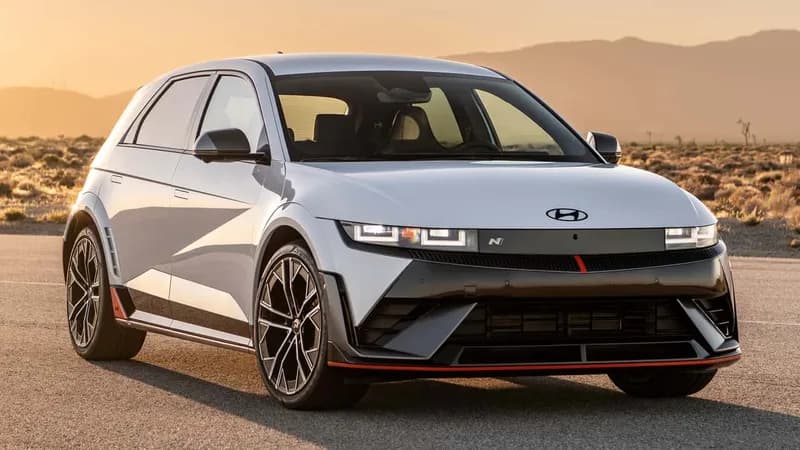
Hyundai has announced a major price reduction for the 2026 Ioniq 5 N, making the high-performance electric crossover more accessible while adding a native NACS port.

Hyundai is making a bold move to increase the competitiveness of its flagship performance electric vehicle. The 2026 Hyundai Ioniq 5 N enters the new model year with a significant price cut, retailing for $6,300 less than its predecessor. This adjustment positions the high-performance crossover as a more aggressive contender in the growing enthusiast EV market.

Enhanced Connectivity with NACS

Beyond the pricing update, the 2026 model year introduces a critical hardware change: a native North American Charging Standard (NACS) port. This integration allows owners to access the extensive Tesla Supercharger network directly without the need for an adapter, significantly improving the charging experience and long-distance travel convenience.

Despite the lower price point, the Ioniq 5 N retains its reputation for being a 'grin-inducing' machine, offering the same high-output dual-motor setup and specialized performance software that defined the original release. This combination of increased value and improved charging infrastructure marks a strategic step forward for Hyundai's N brand.

Related Stories

Semantically matched articles, ranked by topic overlap and freshness.

Volkswagen Launches Entry-Level ID. Polo Starting at €24,995
Electric Vehicles68%

Volkswagen Launches Entry-Level ID. Polo Starting at €24,995

Volkswagen has officially opened configurations for the base model of the electric ID. Polo, bringing the entry price point down to €24,995.

BMW Expands U.S. Footprint with Localized iX5 Battery Production
Electric Vehicles67%

BMW Expands U.S. Footprint with Localized iX5 Battery Production

BMW reaffirms its commitment to electrification by establishing domestic battery manufacturing for the upcoming iX5 in the United States.

Hyundai and Kia Unveil AllDayEnergy Brand for Smart and Bidirectional Charging
Electric Vehicles65%

Hyundai and Kia Unveil AllDayEnergy Brand for Smart and Bidirectional Charging

Hyundai Motor Group has launched AllDayEnergy, a new unified brand dedicated to smart charging and vehicle-to-everything (V2X) technologies.

BMW Debuts Long-Wheelbase iX5 for Chinese Market Featuring Massive Rear Entertainment Screen
Electric Vehicles65%

BMW Debuts Long-Wheelbase iX5 for Chinese Market Featuring Massive Rear Entertainment Screen

BMW has officially launched a specialized long-wheelbase version of the iX5 in China, setting a new record for the brand's SUV dimensions.

Massachusetts to Launch Program Paying EV Owners for Grid Support
Electric Vehicles64%

Massachusetts to Launch Program Paying EV Owners for Grid Support

A new initiative in Massachusetts will allow electric vehicle owners to earn incentives by discharging battery power back into the grid during peak demand.

NHTSA Rejects Tesla Door Release Investigation, Proposes Industry-Wide Safety Updates
Electric Vehicles64%

NHTSA Rejects Tesla Door Release Investigation, Proposes Industry-Wide Safety Updates

Federal regulators have denied a petition for a defect investigation into Tesla Model 3 door releases but will initiate new safety standards for all vehicles.

Volkswagen Advocates for Higher Tariffs as Chinese PHEVs Disrupt European Market
Electric Vehicles62%

Volkswagen Advocates for Higher Tariffs as Chinese PHEVs Disrupt European Market

Once a dominant force with the Tiguan PHEV, Volkswagen is now pushing for stricter trade barriers as Chinese competitors overtake its best-selling models in Europe.

Discrepancies Emerge in Rivian R2 EPA Efficiency vs. Real-World Performance
Electric Vehicles61%

Discrepancies Emerge in Rivian R2 EPA Efficiency vs. Real-World Performance

While the Rivian R2 and Tesla Model Y share identical EPA efficiency ratings, initial real-world testing suggests a gap in actual energy consumption.