Electric VehiclesTechnical Deep Dive

The Solid-State Revolution: BYD Targets 2025 for Landmark Battery Breakthrough

Published
EElectricBuzz Editorial Team
The Solid-State Revolution: BYD Targets 2025 for Landmark Battery Breakthrough
3 min read506 wordsElectricBuzz Editorial Team

The Gist

“BYD confirms plans to integrate cutting-edge solid-state battery technology into a production vehicle as early as next year, positioning the automaker at the forefront of the global energy transition.”

A Quantum Leap in Energy Storage

The automotive industry has long viewed solid-state batteries as the 'holy grail' of electric mobility. By replacing the traditional liquid electrolyte found in current lithium-ion cells with a solid material, engineers can unlock significantly higher energy densities, faster charging rates, and, most importantly, enhanced safety profiles. While most global manufacturers are targeting late-decade windows for this transition, BYD has sent shockwaves through the sector by announcing that it expects to put a vehicle equipped with this technology into production as soon as next year.

Stella Li, Executive Vice President at BYD, recently confirmed the company's aggressive timeline. The commitment signals that BYD has overcome significant hurdles related to manufacturing consistency and material scalability that have plagued the industry for years. Rather than keeping this technology confined to a lab, the automaker is moving toward a real-world deployment, reinforcing its reputation for rapid innovation and vertical integration.

The Yangwang Flagship Candidate

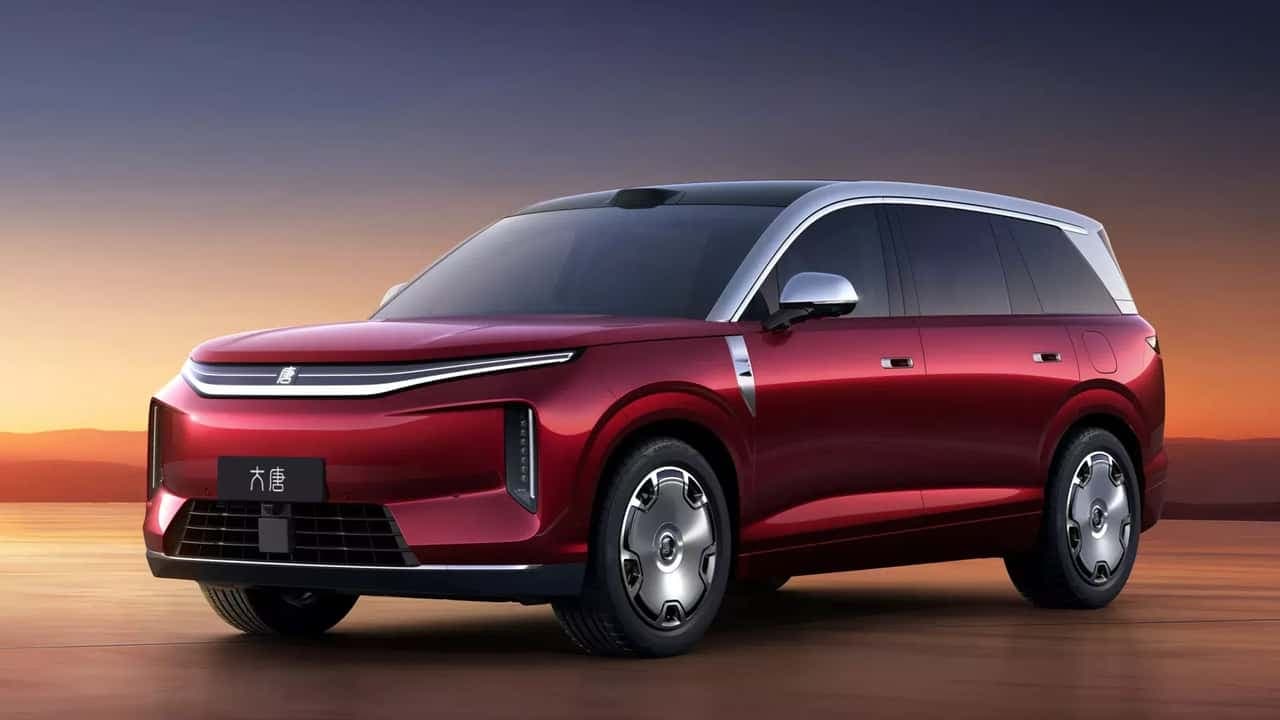
While the specific vehicle model remains officially unconfirmed, industry speculation points toward the highly anticipated Yangwang flagship sedan. This vehicle, which has recently been spotted in development camouflage, is designed to occupy the ultra-luxury segment. Its massive proportions and opulent styling have drawn frequent comparisons to Rolls-Royce, making it the ideal candidate for showcasing premium, next-generation technology.

Deploying solid-state tech in an elite flagship model makes strategic sense, as the high upfront cost of new battery manufacturing typically necessitates a luxury price point. By introducing the hardware in a low-volume, high-margin vehicle, BYD can iterate on the platform and scale production efficiencies before cascading the technology down to its more affordable, mass-market lines.

The Competitive Landscape

BYD’s announcement creates immense pressure on global competitors. While Toyota, Honda, and Mercedes-Benz have publicly outlined roadmaps to bring solid-state batteries to market between 2027 and 2030, BYD is effectively cutting that timeline in half. For international automakers, the challenge is not just technical but logistical; they must now reconcile their slower, more cautious timelines with an industry leader that is already transitioning from prototype to production.

Why It Matters

  • Enhanced Energy Density: Solid-state cells allow for more power in a smaller, lighter package, directly extending vehicle range.
  • Safety Improvements: The solid electrolyte is non-flammable, significantly reducing the risk of thermal runaway.
  • Accelerated Innovation: BYD’s aggressive 2025 window forces a recalibration of timelines across the global automotive market.
  • Luxury-to-Mass Pipeline: Early adoption in flagship models paves the way for wider implementation across all price tiers.

Strategic Outlook

If BYD successfully launches a solid-state-equipped model in 2025, it will represent one of the most significant shifts in the EV landscape since the commercialization of the lithium-ion pack. While the immediate impact will likely be restricted to the high-end Chinese market, the precedent is clear: the transition to the next generation of battery chemistry is happening much faster than the industry anticipated. As other manufacturers work to catch up, the global race for energy dominance is no longer just about software and autonomy; it is firmly focused on the materials and architecture powering our future vehicles.


SPONSORED
The 5 Best Over-Ear ANC Headphones of 2026, Tested & Ranked
Editor's Pick Guide
92/100
Tech & Gadgets•12 min read

The 5 Best Over-Ear ANC Headphones of 2026, Tested & Ranked

We locked five over-ear ANC picks for 2026 — Sony WH-1000XM6, Bose QuietComfort Ultra 2, Soundcore Space One, Sennheiser Momentum 5, and Apple AirPods Max 2 — then stress-tested them on lab metrics, long-term owner truth, and live street prices.

Related Stories

Semantically matched articles, ranked by topic overlap and freshness.

Pos Malaysia Scales Malaysia’s Largest Electric Logistics Fleet
Electric Vehicles

Pos Malaysia Scales Malaysia’s Largest Electric Logistics Fleet

Pos Malaysia hits a major milestone, with one in three parcels now delivered via electric vehicles as it aggressively targets a fully green fleet by 2030.

Volkswagen Rebrands Electric SUV Lineup as ID. Tiguan
Electric Vehicles

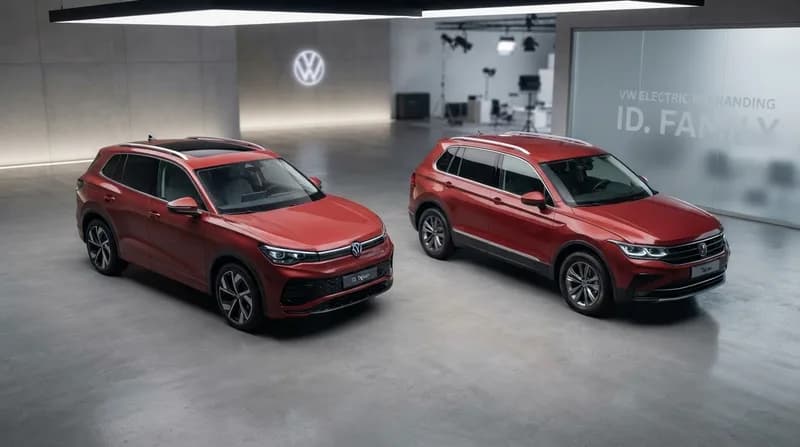
Volkswagen Rebrands Electric SUV Lineup as ID. Tiguan

Volkswagen is officially merging its electric and combustion naming conventions, retiring the ID.4 and ID.5 labels in favor of the iconic Tiguan badge.

Mercedes-Benz Scales Up Thai EV Production With New Electric GLC
Electric Vehicles

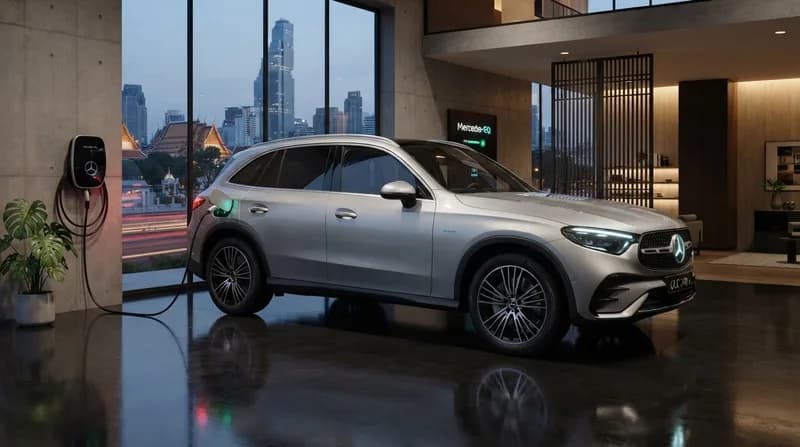
Mercedes-Benz Scales Up Thai EV Production With New Electric GLC

Mercedes-Benz is set to localize production of its latest electric GLC in Thailand, targeting the competitive mid-size SUV market with high-end tech and long-range efficiency.

Echion and ETS Forge Strategic Alliance to Accelerate Niobium Battery Production
Electric Vehicles

Echion and ETS Forge Strategic Alliance to Accelerate Niobium Battery Production

UK-based battery innovator Echion Technologies has partnered with South Korean firm Energy Tech Solution to bring its breakthrough niobium-based anode material, XNO, into mass-market cell production.

Circle K Supercharges Efficiency with New Headless Load Management Tech
Electric Vehicles

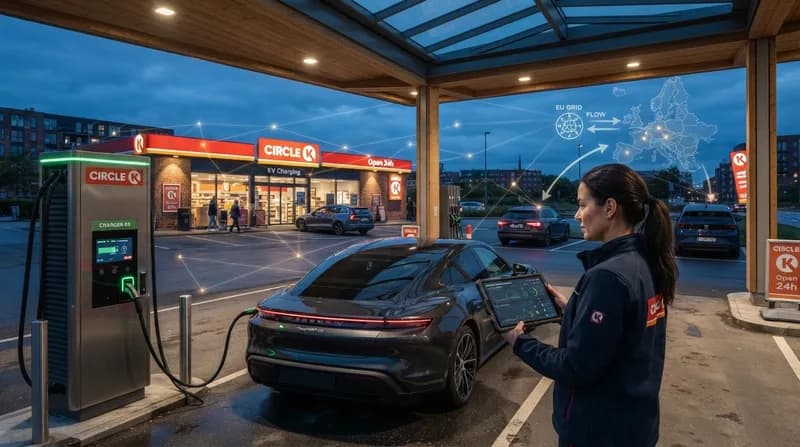
Circle K Supercharges Efficiency with New Headless Load Management Tech

Circle K is revolutionizing its European EV charging network by integrating FLEXeCHARGE’s advanced load management software directly into its proprietary systems.

Mahindra's Charge_iN Network Hits Major Milestone with HPCL Partnership
Electric Vehicles

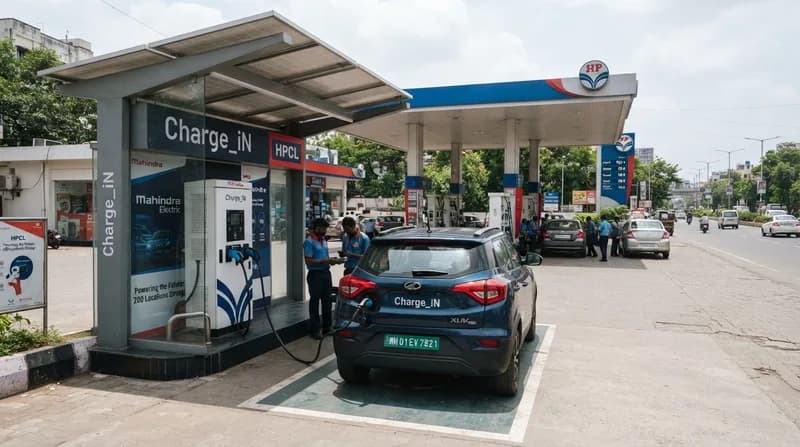
Mahindra's Charge_iN Network Hits Major Milestone with HPCL Partnership

Mahindra has reached a significant infrastructure milestone as its Charge_iN network expands to 200 locations, anchored by a new high-speed partnership with HPCL.

Volkswagen and Gotion Deepen Ties with Massive €3.22 Billion Battery Expansion
Electric Vehicles

Volkswagen and Gotion Deepen Ties with Massive €3.22 Billion Battery Expansion

In a major move toward vertical integration, Volkswagen and Gotion High-tech are launching three joint ventures spanning Spain, Slovakia, and Morocco to secure the future of European EV battery production.

The Chery Stockman: Can a Diesel Plug-In Hybrid Finally Crack the Pickup Market?
Electric Vehicles

The Chery Stockman: Can a Diesel Plug-In Hybrid Finally Crack the Pickup Market?

Chery is challenging conventional wisdom by launching the world’s first diesel plug-in hybrid pickup truck, aimed at conquering the demanding Australian landscape.