The AI-Climate Tech Convergence
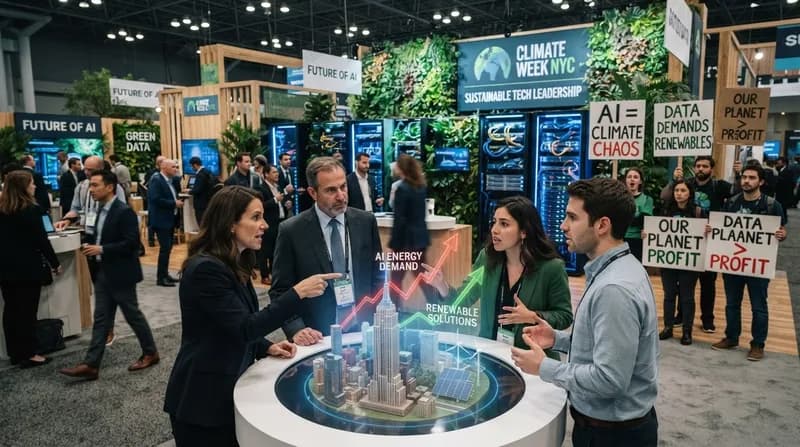
New York Climate Week recently underscored a profound shift in the venture capital landscape, where the surging demand for artificial intelligence is fundamentally reshaping the priorities of climate tech startups. As the industry faces a pivot driven by the immense energy requirements of AI data centers, many startups are finding that the most effective way to secure funding is to align their mission with the infrastructure needs of the tech giants building these compute-heavy hubs. This phenomenon has created a unique, albeit controversial, opportunity for companies operating in the energy, grid infrastructure, and built environment sectors.
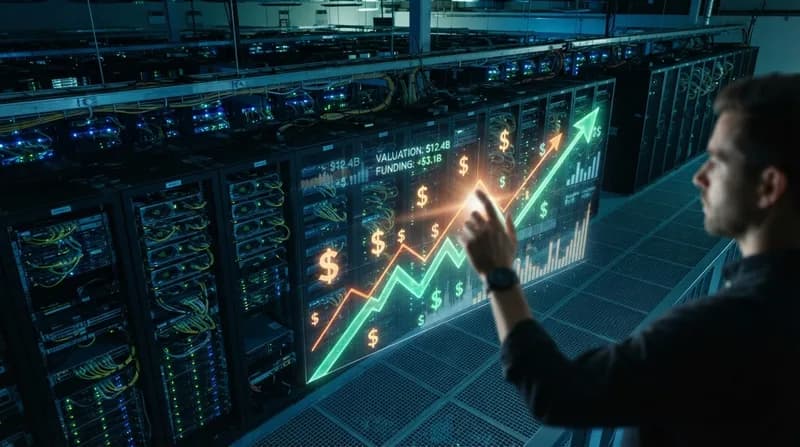
For many startups that have long struggled to move past the proverbial 'valley of death,' the AI infrastructure boom serves as a vital lifeline. By positioning themselves as essential partners to data center operators, these firms are gaining access to capital that was previously elusive. Data suggests that venture deal value in the climate tech space has surged over the past four quarters, surpassing $14 billion in the first quarter of this year. This influx of capital is largely directed toward solutions that can provide the steady, dispatchable energy required to keep high-powered GPUs running around the clock.
The Dual Reality of Market Pivots
The current market environment presents a clear dichotomy for entrepreneurs. On one side, those focused on energy-adjacent technologies view the AI-driven power demand as a necessary catalyst to accelerate the deployment of grid improvements and energy storage solutions. For these founders, the speed of the AI buildout is paramount, as it forces faster adoption of technologies that might otherwise languish in development cycles. There is a prevailing sentiment that by successfully servicing the massive energy needs of current AI projects, climate tech startups can build the durable foundations required to eventually return their focus to broader carbon-cutting objectives.
Conversely, there is palpable frustration among innovators whose work does not align with the immediate needs of data centers. Many founders expressed concerns that the singular obsession with AI is distracting the market from other essential climate segments. There is a lingering resentment regarding the timing of this capital infusion; many startups that were producing verifiable results three years ago during a funding drought now watch as capital floods into projects solely because they are tethered to the AI hype cycle. This 'AI-mania' has effectively forced a strategic rebranding for many, as businesses strive to meet customers exactly where their current spending is directed.
Why it Matters
- The Energy Crunch: Data centers require unprecedented levels of power, leading to a resurgence in interest for natural gas and modular energy solutions.
- Capital Reallocation: Funding is flowing heavily toward grid infrastructure and dispatchable energy, as investors look for companies that can support AI hardware requirements.
- Strategic Camouflage: Due to shifting political climates, many large corporations are choosing to downplay their sustainability initiatives to avoid public scrutiny, even while continuing to invest in green energy projects.
- The Sustainability Trade-off: The industry is currently weighing the environmental cost of massive AI-driven data center expansion against the long-term potential for those data centers to drive grid modernization.
An Uncertain Future for Climate Tech
While the current partnership between AI demand and climate tech provides a short-term boost, many observers remain cautious about the long-term outlook. The consensus is that the data center gold rush is unlikely to persist indefinitely. The challenge for startups will be to leverage this current momentum to scale their operations sufficiently so they remain relevant once the AI infrastructure demand eventually stabilizes. In the meantime, the climate tech ecosystem remains in a state of rapid flux, adapting its narrative to navigate a landscape dominated by the dual pressures of corporate caution and the insatiable power demands of the digital era.