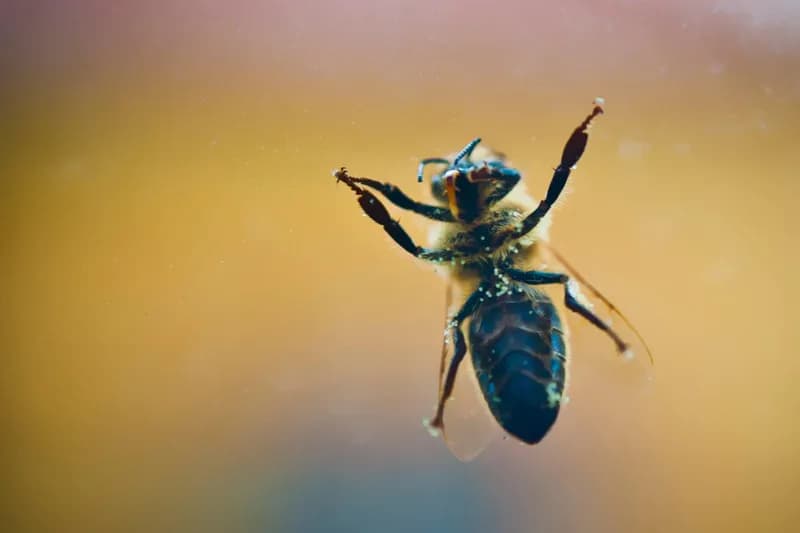
The common household fly has long baffled observers with its seemingly mindless habit of repeatedly flying into window panes. However, recent observations from citizen scientists in fly-heavy regions like Australia suggest there may be more to this behavior than simple confusion.
Light and Navigation
Flies rely heavily on phototaxis, an instinctive movement toward light sources. In an indoor environment, a window represents the brightest point of the room, signaling a potential exit to the outside world. Because flies lack the depth perception to understand the concept of transparent solid barriers, they continue to attempt passage through the glass as long as the light stimulus persists.
A Strategy of Trial and Error?
While it may appear repetitive, some researchers argue that these movements are part of a crude search pattern. By hitting different points on the glass, the fly is essentially 'testing' the perimeter for an opening. This persistence, while frustrating to humans, is a survival mechanism designed to ensure the insect eventually finds a gap or a breeze that indicates a clear path to safety.