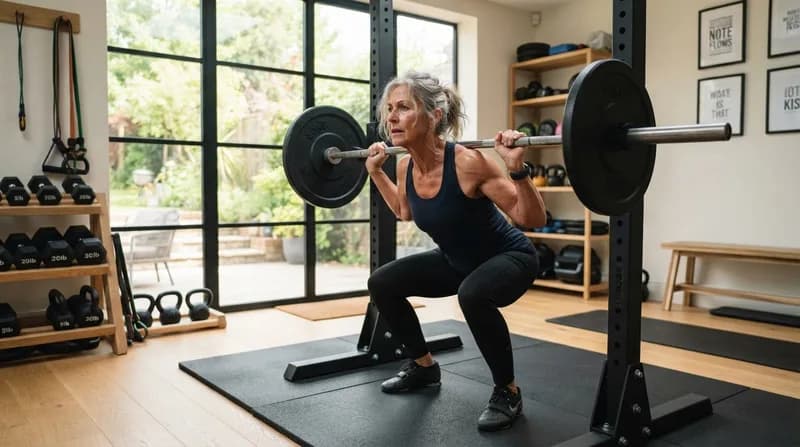
Combating the Silent Decline of Sarcopenia
As we navigate the aging process, our physical independence often hinges on our ability to perform the simplest daily tasks: standing up from a chair, navigating stairs, or carrying groceries. Central to these capabilities is muscle strength, which inevitably faces a decline known as sarcopenia. This age-related loss of muscle mass does more than just reduce physical power; it compromises joint stability, balance, and the body’s innate reserve capacity needed to recover from illnesses or accidental injuries.
While many associate healthy aging with cardiovascular activities like walking or cycling, research now emphasizes that resistance exercise is the most effective tool for long-term functional health. By forcing muscles to work against external resistance—whether through gym equipment, bands, or simply body weight—older adults can stimulate muscle maintenance and growth. The goal isn't peak athletic performance, but the preservation of the physical functions that define daily quality of life and autonomy.
The Power of the Weekly Session
Perhaps the most encouraging finding for those hesitant to start a fitness regimen is that meaningful results do not require a daily gym commitment. For individuals new to resistance training, evidence indicates that even a single, well-executed session per week can yield significant gains in strength and physical function. This low barrier to entry is critical, as it dispels the myth that one must commit to exhausting daily workouts to see improvements.
Effectiveness in these sessions is defined by the intensity of effort rather than the heaviness of the load. Whether performing a heavy set of ten repetitions or a lighter set of 25, the key indicator of a successful workout is muscle fatigue by the end of the set. When combined with adequate protein intake for recovery, this consistent, modest effort can effectively counter the progression of muscle wasting, making it a highly accessible strategy for people in their 80s and beyond.
Why it Matters: The Independence Metric
- Functional Longevity: Strength training directly translates to better balance, reducing the risk of falls and fractures.
- Independence: Maintaining muscle in the lower body is essential for mobility, while upper body strength supports daily domestic tasks.
- Accessibility: Resistance exercises like squats, press-ups, and step-ups can be performed at home with no specialized gear, making them ideal for beginners.
- Systemic Health: Unlike purely aerobic activity, resistance training focuses on the foundational structural integrity of the body.
Overcoming Barriers to Entry
Despite the clear clinical evidence, participation rates in muscle-strengthening activities remain disappointingly low. Historically, public health initiatives have prioritized aerobic fitness, creating a gap in awareness regarding the necessity of resistance training. Furthermore, many older adults cite fears of injury or a lack of familiarity with gym environments as primary deterrents. Initiatives such as the 'Stronger My Way' campaign are working to pivot this narrative, encouraging people to view strength training as a form of self-care and medical prevention rather than a pursuit of aesthetics.
For those looking to integrate this into their lifestyle, the guidance is clear: start slow and focus on major muscle groups, including the legs, hips, back, and shoulders. Qualified professionals can help tailor these movements to accommodate existing joint pain or chronic conditions, ensuring that training remains both safe and sustainable. As policymakers begin to recognize the vital role of strength training in public health, it is becoming increasingly likely that we will see more community-based, supervised programs designed specifically to help older populations reclaim their strength and, by extension, their dignity.