A Significant Statistical Shift
A comprehensive new meta-analysis conducted by researchers at the University of Warwick has uncovered a compelling, often overlooked link between Attention-Deficit/Hyperactivity Disorder (ADHD) and gastrointestinal (GI) health. By synthesizing data from 23 global studies involving over 1.9 million participants, the research team identified that individuals diagnosed with ADHD face a nearly 50% increase in the risk of experiencing overall gastrointestinal symptoms compared to their neurotypical counterparts.
This study, published in the Journal of Attention Disorders, represents the first large-scale systematic review dedicated entirely to this association. The data spans a wide demographic, including children as young as two and adults up to age 65, across diverse regions such as the United States, Germany, Sweden, and South Korea. The consistency of these findings across different populations suggests that the connection is not merely a statistical anomaly but a widespread phenomenon that warrants clinical attention.
Specific Gastrointestinal Impacts
The research highlights that the correlation is not uniform across all types of digestive distress, with some conditions showing a significantly higher prevalence in ADHD patients. Among the most notable findings is a nearly twofold increase in the likelihood of suffering from chronic constipation. Furthermore, the study identified a 58% increase in the incidence of Irritable Bowel Syndrome (IBS) and a staggering fourfold increase in the odds of experiencing encopresis, or the loss of bowel control.
These symptoms represent more than just minor inconveniences; they can significantly degrade an individual's quality of life. The researchers emphasized that because the primary focus of an ADHD diagnosis often centers on cognitive and behavioral management, these physical symptoms are frequently marginalized or ignored during standard psychiatric consultations, potentially leaving patients without necessary support for their digestive well-being.
Understanding the Gut-Brain Axis
While the study stops short of claiming that ADHD is the direct biological cause of these gut problems, the researchers have proposed several plausible mechanisms that could explain the strong association. One primary factor involves lifestyle habits associated with ADHD traits, such as impulsivity and irregular eating patterns, which naturally stress the digestive system. Additionally, the side effects of commonly prescribed stimulant medications are well-known to exacerbate issues like constipation.
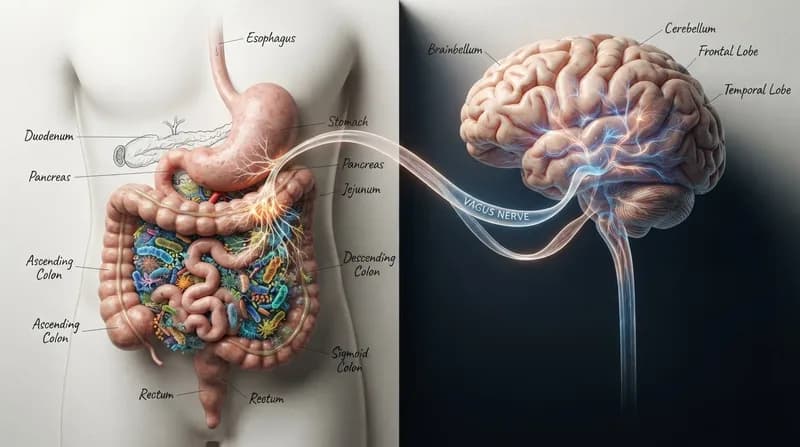
Beyond behavior and medication, there is a mounting scientific interest in the 'gut-brain axis'—the complex, bidirectional communication pathway between the central nervous system and the enteric nervous system. Evidence suggests that alterations in the microbiome of ADHD patients may communicate with the brain via the vagus nerve. This discovery underscores the importance of a holistic approach to care, where mental health and digestive health are addressed in tandem rather than as isolated specialties.
Why It Matters
- Clinical Integration: The study suggests that doctors treating ADHD should proactively screen for GI symptoms to improve patient outcomes.
- Holistic Management: Patients experiencing complex or chronic digestive issues may require multidisciplinary care involving dietitians or gastroenterologists alongside psychiatric support.
- Future Research: Distinguishing between biological predispositions, medication side effects, and behavioral lifestyle choices remains the next major hurdle for the scientific community.
Ultimately, the researchers call for a shift in how medical professionals approach neurodevelopmental consultations. By recognizing the gut-brain link, clinicians can better address the physical health needs of their patients, ensuring that the management of ADHD improves not just cognitive function, but overall daily quality of life.