A New Frontier in Microbiome Research
For decades, the medical community has recognized that the trillions of bacteria residing in our digestive tracts hold the key to systemic health. While probiotic supplements and microbiome-focused diets have become household staples, the precise molecular mechanisms behind these benefits have remained largely mysterious. Now, a team from the University of Konstanz has bridged this gap, uncovering how specific molecules produced by gut microbes communicate directly with our cells to regulate metabolism.
Led by Professor Thomas Brunner and biologist Anna Pia Plazzo, the research identifies a sophisticated signaling pathway involving the nuclear receptor LRH-1 (also known as NR5A2). This transcription factor is a critical gatekeeper for inflammatory and metabolic processes, yet for twenty years, the specific "key" required to activate it remained elusive. The breakthrough study, published in EMBO Molecular Medicine, finally identifies this key: a substance called vaccenic acid.
The Role of Vaccenic Acid
Vaccenic acid is not synthesized by the human body itself. Instead, it is a byproduct of the unique bacterial processes occurring within the digestive systems of ruminants—animals like cows and sheep. When these bacteria break down food, they produce vaccenic acid, which is then distributed throughout the animal’s tissue and milk. When humans consume these dairy and meat products, this specialized fatty acid makes its way into our own gut.
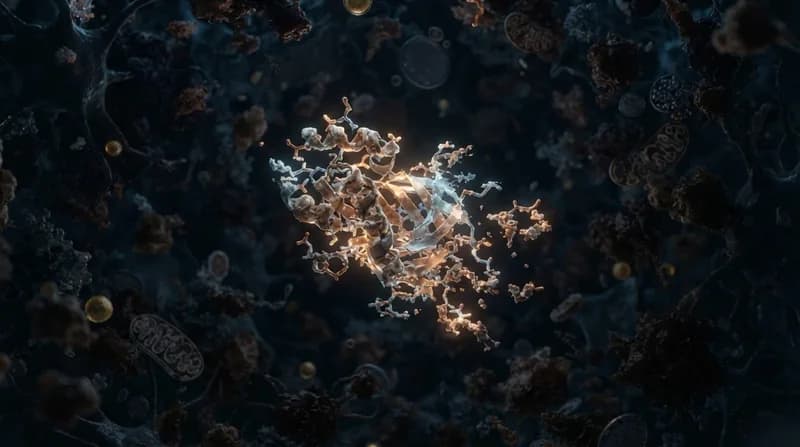
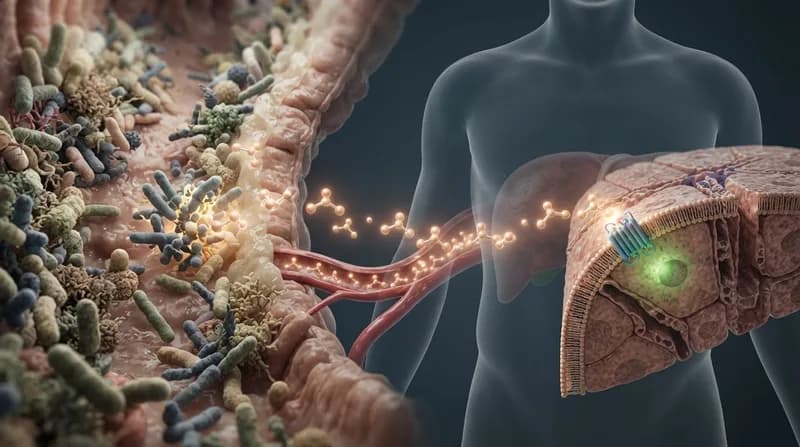
Once present in the human intestinal tract, vaccenic acid functions as a ligand, binding to the LRH-1 receptor. This binding event acts as a molecular switch, unlocking the receptor's ability to influence the body’s metabolic functions. The researchers discovered that this process is instrumental in managing internal inflammation and protecting liver health.
Why It Matters
- Metabolic Regulation: The activation of LRH-1 via vaccenic acid directly correlates with lower blood sugar and blood lipid levels.
- Liver Health: The study suggests that this pathway provides a therapeutic mechanism for mitigating the progression of fatty liver disease.
- Molecular Insight: This finding confirms that the microbiome does not just aid digestion; it functions as an essential endocrine organ that releases signaling molecules capable of tuning the body's entire metabolic landscape.
Implications for Future Therapeutics
The implications of this discovery are profound for the field of metabolic health. By proving that an exogenous molecule—one derived from our diet and mediated by our microbiome—can act as a precision tool for a human transcription factor, the researchers have opened the door for new preventative and therapeutic interventions. Rather than relying on broad-spectrum treatments, future therapies could focus on modulating the gut environment to ensure the right signaling molecules are available to keep metabolic receptors functioning optimally.
As the team notes, this discovery highlights the fragility of our internal systems. An imbalance in the gut microbiome essentially breaks this signaling chain, leaving metabolic processes unregulated and vulnerable to disease. Understanding this molecular "handshake" between bacterial products and human receptors marks a significant leap forward in personalized nutrition and the treatment of complex metabolic disorders.