A Lasting Scent Signature
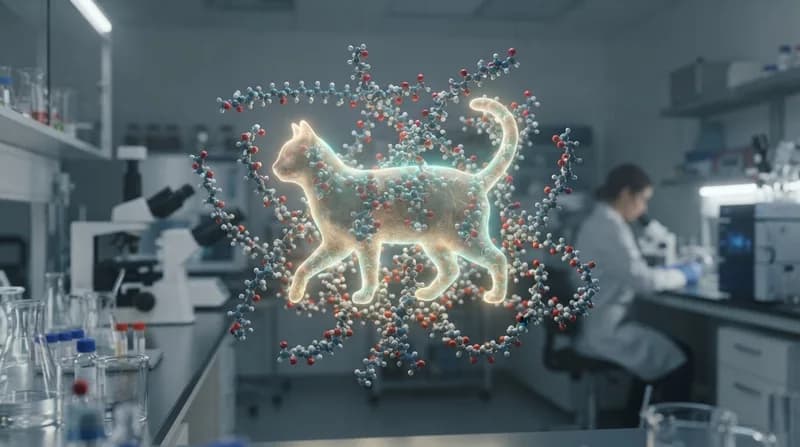
Cats have long been known for their complex social signaling, much of which revolves around scent-marking territory. However, a major hurdle in animal biology has been understanding how these signals remain recognizable long after the initial deposit. Urine, while informative, is volatile; its chemical makeup typically degrades or shifts quickly due to environmental exposure. A collaborative international research team, led by Iwate University in Japan, has now identified the solution to this puzzle: a distinct group of 13 branched-chain fatty acids (BFAs) that function as a durable, personalized chemical ID card.
By analyzing feline behavioral responses—specifically the well-documented flehmen response, where cats curl their lips to better analyze pheromones—researchers confirmed that cats can distinguish between the scent profiles of different individuals. Even when other lipid components were removed, the unique ratio of these 13 BFAs allowed the animals to identify a 'stranger's' scent. This chemical profile remains remarkably stable for at least 24 hours, even at room temperature, providing a reliable, long-term communication tool for a species that relies on olfactory cues to manage social interactions and territory.
Solving a Century-Old Kidney Mystery
The study also shed light on a biological enigma that has puzzled scientists for over a hundred years: the presence of mysterious, abundant lipid droplets within the feline renal cortex. While these structures have been observed in cat kidneys for decades, their purpose remained unknown. The research team discovered that these droplets act as a storage reservoir for the BFAs, effectively buffering the animal's chemical signature against fluctuations in diet or physiological state.
This reservoir mechanism ensures that the cat's 'ID card' remains consistent over time. By regulating the release of these specialized fatty acids into the urine, the kidney ensures the scent remains a stable identifier of the individual. This discovery links complex urinary chemistry directly to a unique anatomical feature, suggesting that the feline kidney is highly specialized not just for filtration, but for maintaining a sophisticated, species-specific communication system.
Evolutionary Implications and Future Applications
The research extended beyond the domestic house cat, revealing that similar BFA-based systems exist across the Felidae family. Lions, tigers, leopards, and jaguars all exhibit variations of this chemical branding, with each species maintaining unique profiles that have likely diverged throughout their evolutionary history. This suggests that the chemical marking system is a fundamental trait of the cat family, though its specific application may vary from the solitary habits of some wild cats to the territorial behaviors of others.
- Long-term Recognition: Cats demonstrate the ability to remember individual scents for months, suggesting a robust cognitive framework for olfactory memory.
- Non-Invasive Monitoring: The stability of these BFAs could pave the way for new wildlife conservation techniques, allowing researchers to track individual wild felids through non-invasive urine collection.
- Odor Management: Understanding the specific chemistry behind these compounds may eventually lead to more effective methods for managing domestic cat urine odors.
- Biological Insight: The link between renal lipid droplets and chemical communication provides a new perspective on feline physiology and potential links to metabolic health.
As the scientific community continues to explore the nuances of animal communication, this discovery highlights how even the most mundane biological processes—like scent marking—are governed by incredibly precise and durable chemical architectures. For now, the focus remains on understanding how these BFAs are regulated and released, but the findings open a new door into the hidden, fragrant world of the cat.