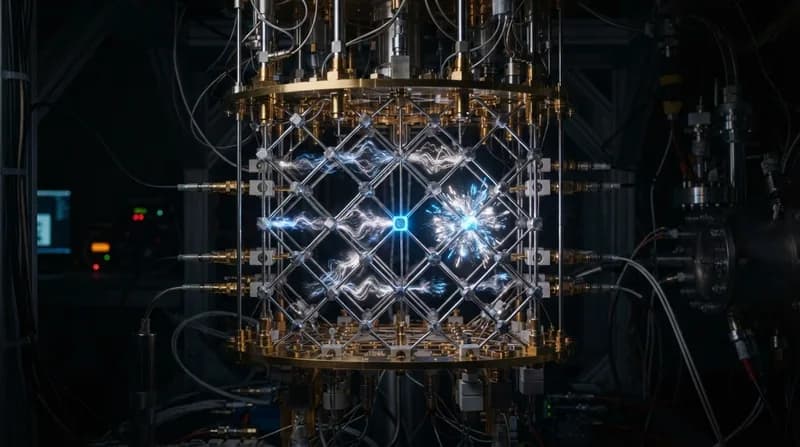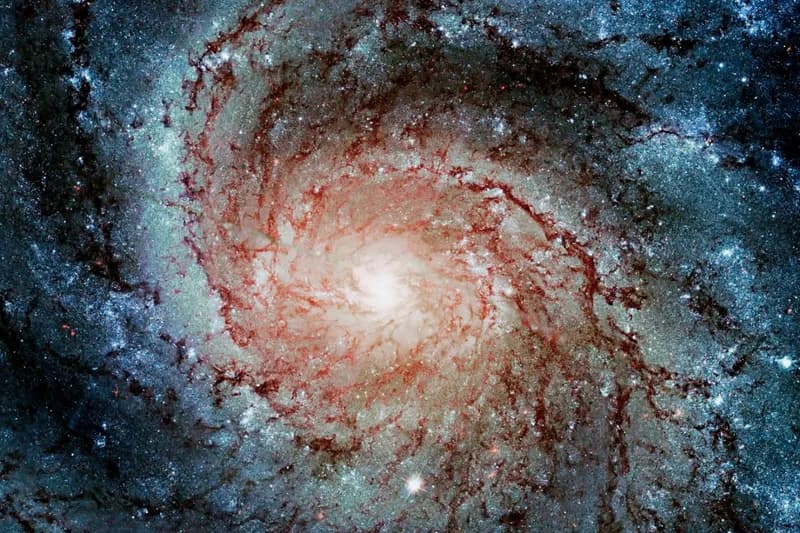
New scientific inquiries are delving into the concept that everything in the known universe—ranging from microscopic cells to massive stars and subatomic particles—exists in a delicate state known as the 'edge of chaos.' This theory suggests that complex systems require a specific blend of structural integrity and unpredictable flexibility to function and evolve.
The Balance of Complexity
According to columnist Thomas Lewton, for a system to persist, it must possess enough internal structure to maintain its form. However, absolute order leads to stagnation. Conversely, complete unpredictability results in disintegration. The 'edge of chaos' is the narrow transition zone where systems gain the ability to process information, adapt to environments, and facilitate change.
A Universal Pattern or a Theory of Everything?
The core of the debate lies in whether this recurring pattern is merely an observational coincidence across different scales of reality or if it represents a foundational 'theory of everything.' If proven, this principle could explain how life emerges from inert matter and how fundamental particles organize into the vast structures of the cosmos. Scientists are now looking for mathematical commonalities that might link biological evolution with the physical laws governing the stars.