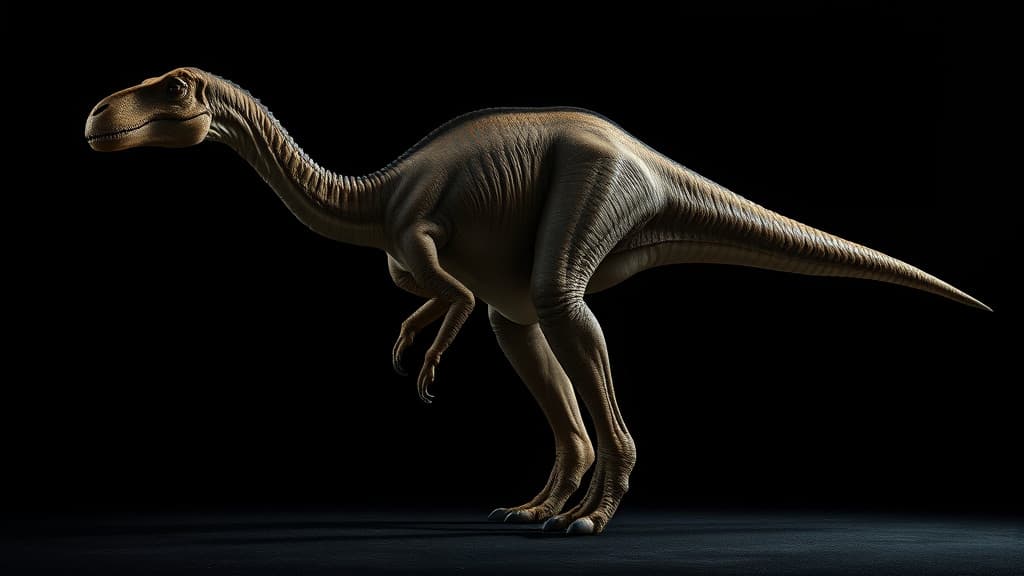
Recent digital stress tests on the skeletal structures of two South American sauropods suggest that these elephant-sized giants were capable of standing on their hind legs. The research focused on the robust femurs of these species, which appear to have been specifically adapted to handle the immense physical forces required for an upright posture.
Mechanical Advantage in Youth
The study found that these dinosaurs were particularly well-suited for bipedal movement during their younger years. As they grew larger and heavier, the structural strain on their bones increased, eventually making the upright pose more difficult to maintain. However, while still at more manageable weights, their femur strength far exceeded that of much larger sauropod relatives.
Biological Utility
Researchers propose several theories for why these dinosaurs would adopt a vertical stance. The ability to rise up would have allowed them to access high-altitude vegetation in treetops that other herbivores could not reach. Additionally, the pose likely served as a defensive mechanism to intimidate predators or as a display of strength to attract potential mates.