Putting the 2027 Chevrolet Bolt to the Highway Test
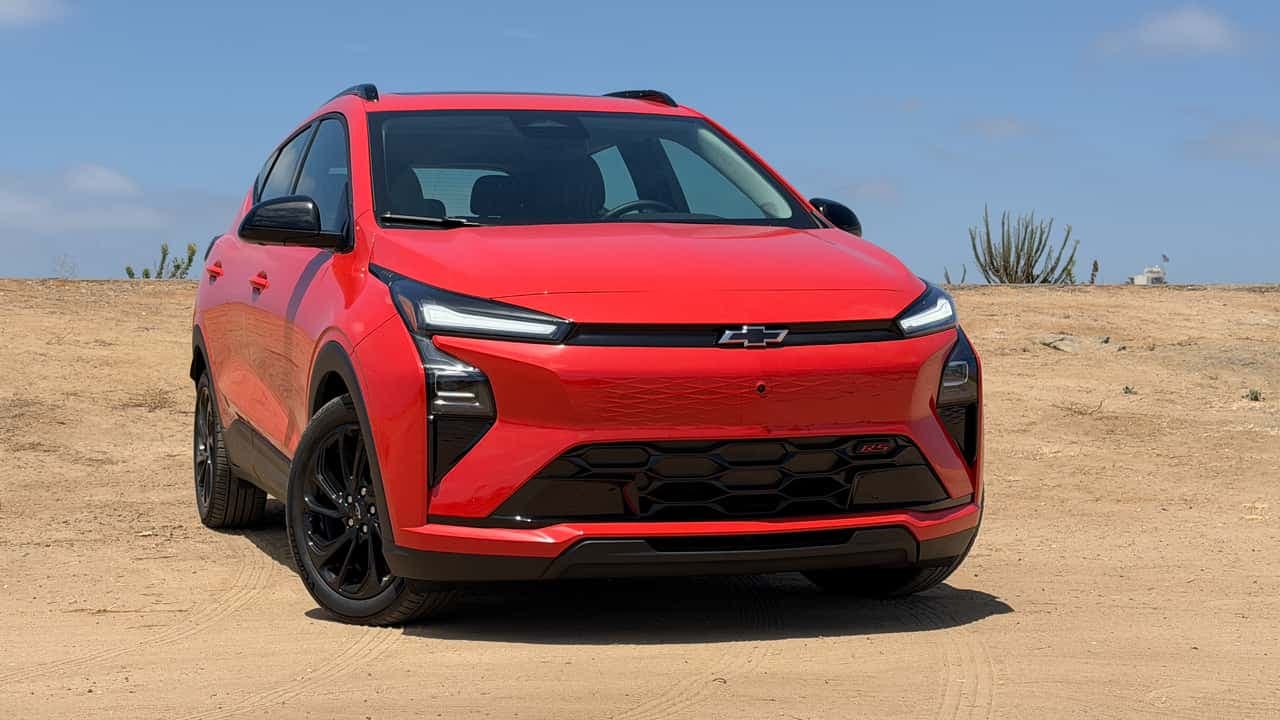
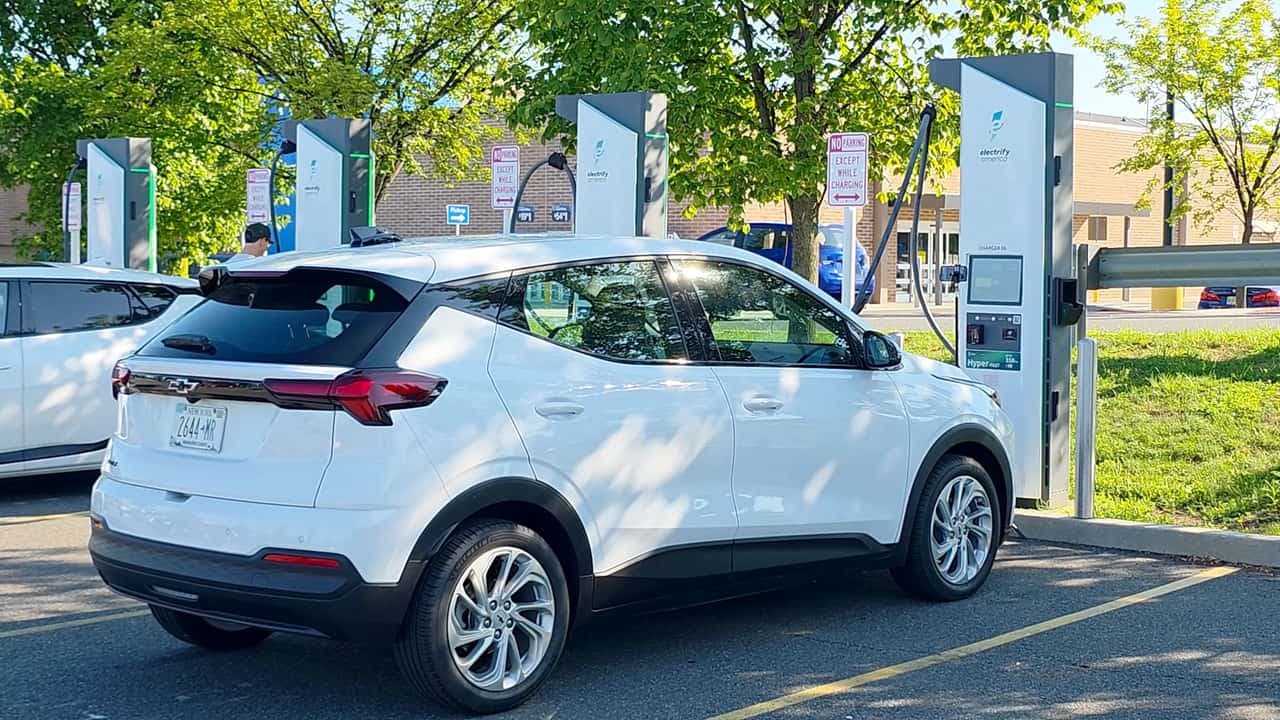
As the automotive industry pivots toward electrification, the question of affordability remains a primary hurdle for many buyers. With a starting price below the $30,000 mark, the 2027 Chevrolet Bolt has emerged as a significant player in the entry-level electric vehicle segment. While its theoretical range stats are well-documented on paper, real-world highway driving often tells a different story. To bridge this gap, recent, rigorous testing at a consistent 70 mph has provided a clearer picture of what this budget-friendly hatchback can deliver on the open road.
Equipped with a 65-kilowatt-hour lithium-iron-phosphate (LFP) battery pack, the Bolt is officially rated for 262 miles on a combined EPA cycle. However, the EPA's highway rating—often based on lower-speed test cycles—sits at 232 miles. The 70-mph highway test, conducted under controlled environmental conditions, aimed to push the vehicle beyond these regulatory benchmarks to observe its performance under constant, real-world cruising loads.
Performance and Efficiency Findings
During the assessment, which took place in temperate weather conditions between 71°F and 80°F, the Bolt displayed impressive resilience. The vehicle maintained a steady pace on the highway, ultimately clocking in a total range of 243 miles before the battery reached its practical limit. This result notably outperformed the EPA highway estimate by 11 miles, proving that the vehicle's powertrain management is highly effective during sustained highway cruising.
Key performance metrics from the test included an average energy efficiency of 3.6 miles per kilowatt-hour. By the end of the run, the vehicle had exhausted 66 kWh of energy, which aligns closely with its specified 65-kWh usable capacity. While the car began to limit power output as the battery neared depletion, the test demonstrated that the Bolt is more than capable of handling long-distance commuting, provided drivers are mindful of how speed directly correlates to energy consumption.
Why Speed Matters: The Range Trade-Off
- Efficiency Drop-off: The 70-mph test confirms that higher speeds significantly accelerate energy depletion. At 70 mph, the Bolt maintains a healthy 3.6 mi/kWh, but pushing the vehicle to 75 mph can drop efficiency to as low as 2.8 mi/kWh.
- EPA vs. Real-World: While EPA ratings provide a standardized baseline, they do not always capture high-speed highway efficiency. The Bolt's ability to exceed its EPA highway rating suggests that its aerodynamics and powertrain optimization are well-suited for modern interstate travel.
- Value Proposition: At sub-$30,000 pricing, the inclusion of a 65-kWh LFP battery that provides over 240 miles of actual highway range makes the Bolt a compelling option for value-conscious consumers who aren't looking to sacrifice utility for affordability.
Ultimately, the 2027 Chevrolet Bolt proves that an affordable electric vehicle does not necessarily require a compromise on range performance. By balancing a robust LFP battery with efficient energy management, the Bolt remains one of the most practical options in the current EV landscape. While the industry continues to move toward faster charging and longer ranges, the Bolt serves as a masterclass in providing essential electric mobility to the mass market.