The Long-Awaited Reveal
Tesla has officially set the stage for one of the most anticipated automotive reveals in recent history: the next-generation Roadster. After a decade of waiting, during which the vehicle became a symbol of Tesla's ambitious, often delayed engineering projects, the automaker confirmed that the official unveiling will take place on October 1. The decision to finally prioritize the Roadster comes as a surprise to many, especially given Tesla's recent, heavy pivot toward AI, robotics, and autonomous transport systems.
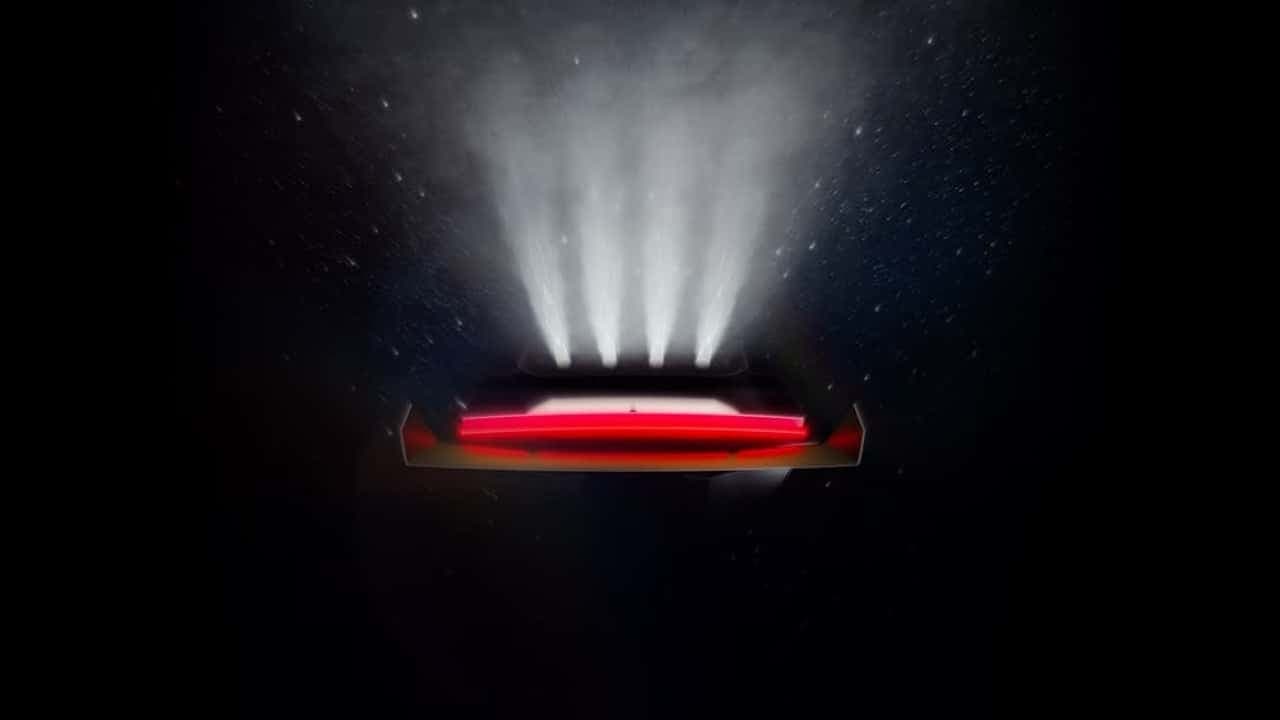
The announcement arrives alongside a cryptic teaser image, which offers little more than a glimpse of the vehicle's taillamps and four circular elements positioned on the deck. Automotive enthusiasts have been quick to speculate that these circular features are the integrated cold gas thrusters developed in partnership with SpaceX, a feature that Elon Musk has teased for years. This hardware would theoretically allow the vehicle to achieve extreme performance metrics and handling capabilities that standard consumer EVs simply cannot touch.
Performance and Strategic Context
Recent industry reporting suggests that Tesla is preparing two distinct iterations of the platform. The first is a consumer-focused, road-legal model designed to compete with the world's most elite hypercars. The second, more speculative version, is the so-called "flying Roadster," a limited-edition demo unit intended to showcase the full extent of Tesla’s engineering prowess. Reports indicate that the latter may be operated remotely, given the immense force and acoustic output generated by the SpaceX-developed thrusters.
This reveal holds significant weight for the brand's identity. Lars Moravy, Tesla’s VP of Engineering, has previously framed the new Roadster as the company's "swan song"—a final celebration of the traditional driver's car before the industry fully transitions to a future dominated by autonomous robotaxis and software-defined mobility. As Tesla focuses its development resources on FSD (Full Self-Driving) and the Cybercab, the Roadster stands as a high-octane monument to the power of human-operated driving.
Why It Matters
- Performance Milestone: This is the first tangible progress in years for the Roadster, proving Tesla still values high-performance hardware despite its shift to autonomy.
- SpaceX Synergy: The potential inclusion of cold gas thrusters marks a unique moment in consumer automotive history, bridging the gap between aerospace technology and passenger vehicles.
- Brand Legacy: By labeling the car a "swan song," Tesla acknowledges the changing landscape of transportation, cementing this model as a collector’s piece that focuses on pure mechanical enjoyment.
The road to this reveal has been long, marked by numerous shifts in company strategy and development priority. Whether the October 1 debut proves to be a turning point for Tesla’s product lineup or a final flourish of gasoline-era intensity in an electric form, it remains one of the most significant announcements of the year. Investors and gearheads alike will be watching closely to see if the final product lives up to a decade of intense anticipation.