The Era of Electric Freight Begins
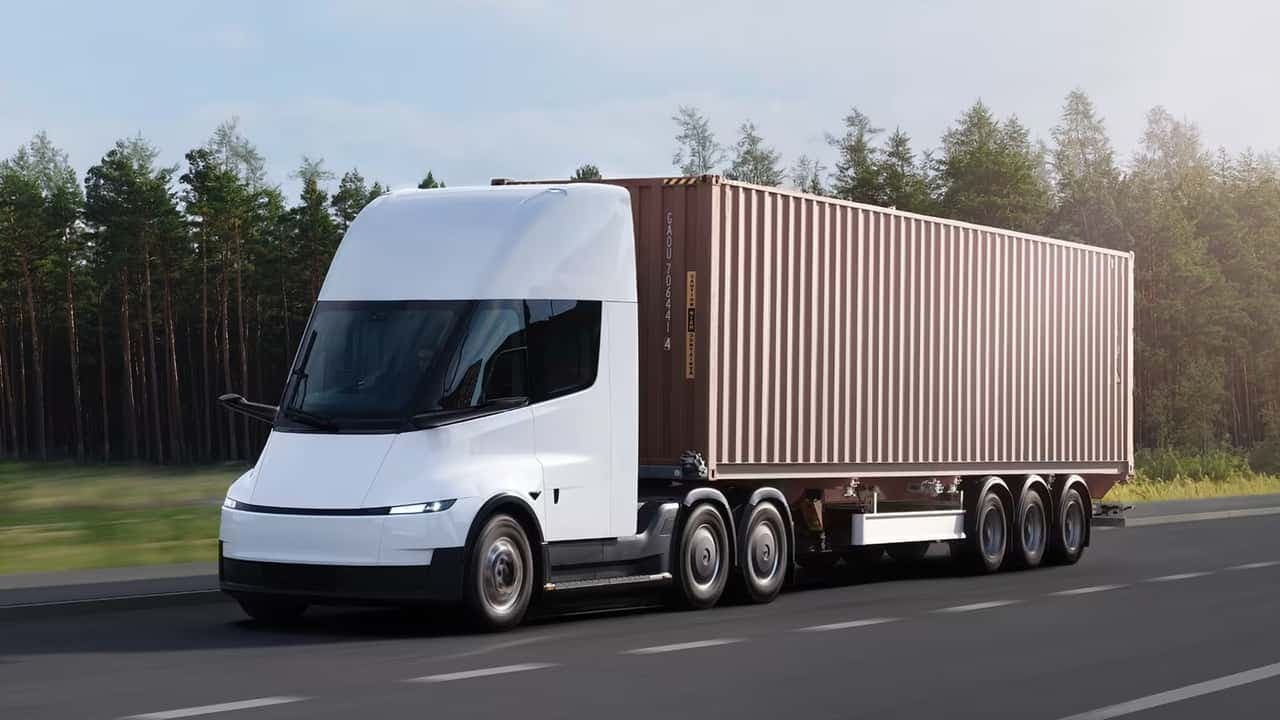
Tesla has officially transitioned the Semi from a long-gestating concept to a reality, confirming that volume production of the Class 8 electric truck is now underway at its Gigafactory Nevada. The launch comes at a pivotal time for the global logistics industry. With diesel prices hovering at record highs—often exceeding $6.50 per gallon—commercial freight operators are under immense pressure to find sustainable, cost-effective alternatives to traditional internal combustion engine trucks. The Tesla Semi arrives not just as a technological showcase, but as a strategic asset for fleet managers looking to decouple their operational expenses from the volatile fluctuations of fossil fuel markets.
During a launch event held at the Nevada production facility, leadership emphasized that the total cost of ownership remains the primary driver for adoption. By leveraging electricity's lower cost per mile, the Semi is designed to provide long-term predictability in an economic environment where fuel costs frequently inflate everything from shipping logistics to consumer goods pricing at the grocery store.
Engineering the Megawatt Standard
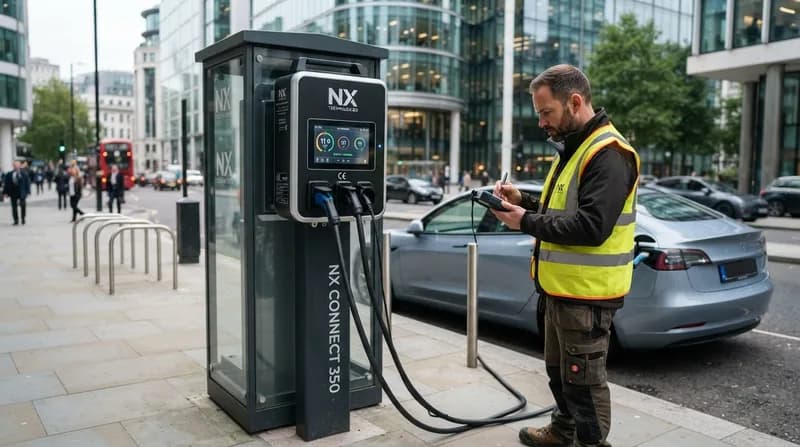
To support the demands of high-uptime freight operations, Tesla is deploying a specialized charging infrastructure. Unlike the passenger Supercharger network, the Semi requires the Megawatt Charging Standard (MCS) connector to handle its massive energy requirements. The company is currently rolling out 30 dedicated Megacharger locations across the United States, featuring a total of 200 megawatt-capable posts. Furthermore, these high-output charging stations will be interoperable with other electric truck manufacturers, marking a significant step toward an industry-wide standard for heavy-duty EV charging.
The performance metrics of the charging system are particularly notable. During tests, the Semi demonstrated the ability to pull nearly 1,200 kilowatts at peak, allowing the vehicle to reach 60% of its total charge capacity in just 30 minutes. For fleet depots that do not require such rapid turnarounds, Tesla also offers 125 kW 'Basechargers,' which facilitate slower, overnight charging to preserve battery health and minimize peak-demand energy costs.
Performance and Battery Architecture
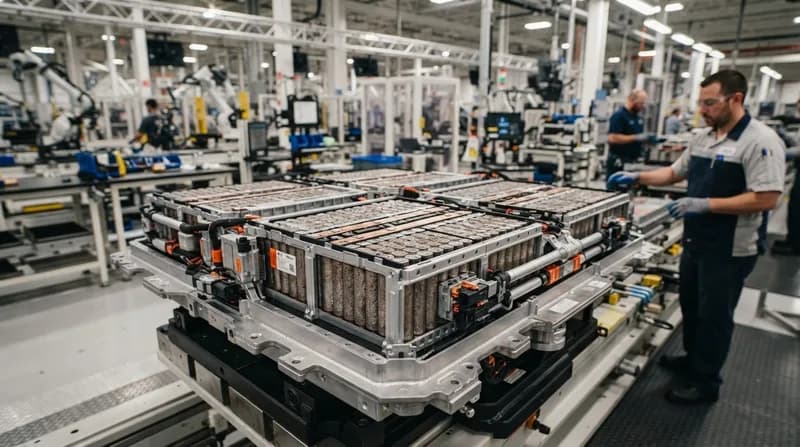
The Semi’s impressive range and power are driven by a massive, high-capacity battery pack utilizing Tesla's in-house 4680 nickel-cobalt-manganese-aluminum (NCMA) cells. Two primary versions are being produced to meet diverse logistics needs. The Long Range variant boasts an 822 kWh capacity, enabling a 500-mile range while hauling a full 82,000-pound payload, which includes the truck, trailer, and cargo. The Standard Range version features a 548 kWh pack, designed for regional routes with a 325-mile capacity.
Both models are built to achieve an efficiency rating of roughly 1.7 miles per kWh, a figure that remains competitive even when fully loaded. As Gigafactory Nevada scales toward an annual capacity of 50,000 units, the company also plans to integrate its Full Self-Driving (Supervised) suite into the trucks. While the exact rollout timeline for this software remains fluid, the hardware foundation is already set to support advanced driver-assistance features aimed at improving safety and reducing operator fatigue on long-haul routes.
Why It Matters
- Cost Efficiency: Shifts operational dependency from volatile diesel markets to stable electricity pricing.
- Infrastructure Maturity: The Megawatt Charging Standard represents a critical step in standardizing heavy-duty EV infrastructure.
- Market Scale: Orders for thousands of units from major shipping coalitions signal strong industry readiness for electric logistics.
- Battery Innovation: The integration of 4680 cell technology on a massive scale represents a vital test for Tesla's proprietary battery manufacturing vertical.