The Regulatory Clash Over Driverless Design
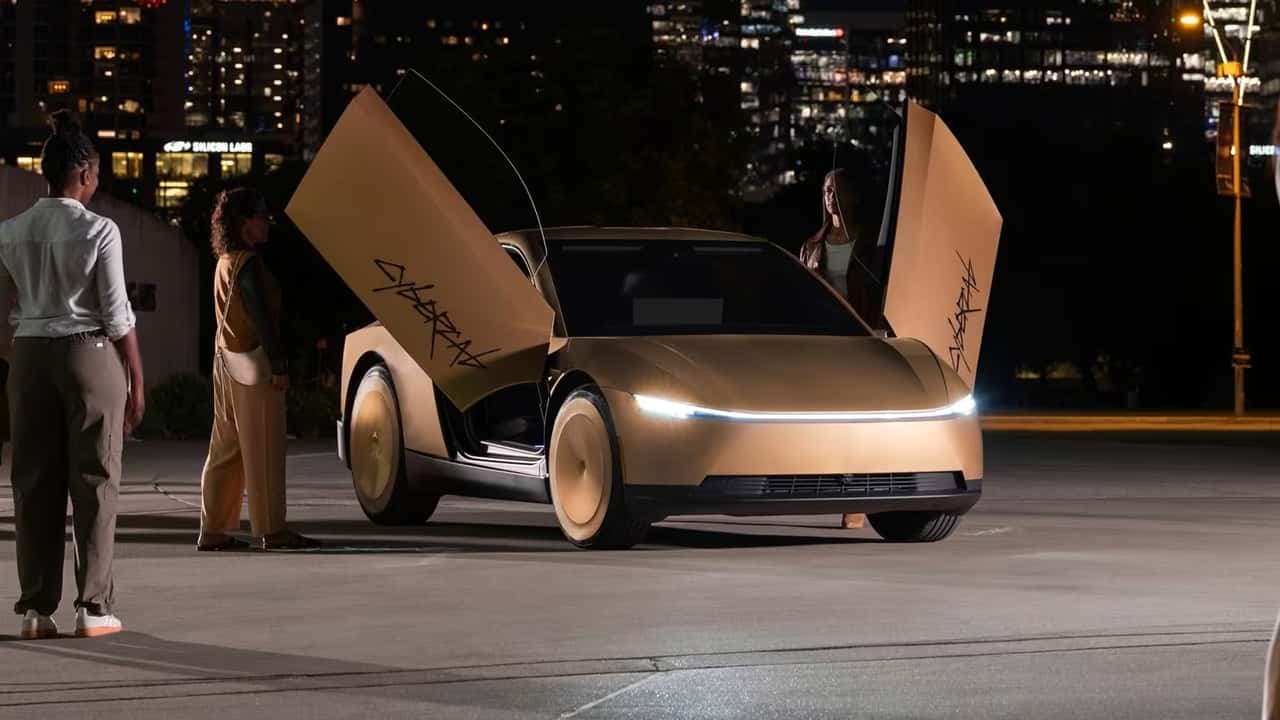
Tesla’s aggressive push into the autonomous vehicle space has hit a potential speed bump. Following the recent rollout of the Tesla Cybercab on the streets of Austin, Texas, the National Highway Traffic Safety Administration (NHTSA) has launched an inquiry to determine the legal basis for the vehicle's operation. At the heart of the conflict is a fundamental discrepancy between Tesla’s innovative, purpose-built robotaxi design and the rigid, long-standing Federal Motor Vehicle Safety Standards (FMVSS).
Unlike traditional passenger vehicles, the Cybercab is explicitly designed without a steering wheel, physical brake pedals, or side-view mirrors. While Tesla asserts its creation is street legal, the NHTSA is demanding a detailed justification. Under the current U.S. regulatory framework, manufacturers typically self-certify that their vehicles meet specific safety mandates. However, the agency is now forcing Tesla to provide documentation on how a car lacking primary manual controls manages to comply with rules that historically assume human intervention as a core component of vehicle operation.
The Anatomy of the NHTSA Inquiry
The agency’s inquiry, which requires a formal response from Tesla by September 30, covers several technical points that highlight how far the Cybercab deviates from legacy automotive engineering. The NHTSA is specifically questioning the vehicle's compliance with FMVSS No. 101 regarding interior controls and indicators, as well as the mandate in FMVSS No. 102 that requires clear displays of shift positions. Perhaps most significantly, the agency is challenging the lack of foot-actuated service brakes, citing long-standing requirements that explicitly demand pedals for primary braking control.
Furthermore, the regulator is seeking clarity on the vehicle's operational design domain—the specific geographic and weather constraints under which the system is programmed to function. By asking for data on SAE automation levels, the number of vehicles in active deployment, and the potential for manual override, the NHTSA is attempting to gauge if the Cybercab functions as a truly autonomous entity or if it relies on remote interventions that bypass current safety definitions. The absence of traditional self-canceling turn signals is also under investigation, as the mechanism typically relies on physical steering wheel rotation, an element notably absent in the Cybercab's minimalist cabin.
Why It Matters
- Regulatory Precedent: The outcome of this probe could set a national standard for all future steering-wheel-free vehicle deployments.
- Safety vs. Innovation: The industry is currently trapped between the need to innovate autonomous systems and the slow, iterative process of updating decades-old safety laws.
- The Exemption Hurdle: Companies like Zoox have previously secured federal exemptions to operate similar pod-like vehicles, but these come with strict operational quotas that manufacturers are often keen to avoid.
The Outlook for Tesla’s Robotaxi Ambitions
The road ahead for Tesla’s autonomous fleet is currently tied to its ability to satisfy federal regulators. While the Department of Transportation has signaled a willingness to modernize safety rules to accommodate automated driving systems, these updates are not yet fully implemented. Until a formal framework is solidified, Tesla faces a difficult choice: navigate a complex and potentially lengthy exemption process that limits fleet size, or convince the NHTSA that its current engineering approach satisfies the spirit, if not the exact letter, of existing law.
This standoff serves as a critical test for the future of commercial autonomous transportation in the United States. Should Tesla successfully argue its case, it would represent a massive pivot in how safety is defined for the next generation of transport. Conversely, a loss would likely force the company back to the drawing board, highlighting the enduring tension between rapid software-driven innovation and the cautious, standard-focused nature of federal safety oversight.