The Policy Collision Over Domestic Battery Production
A significant rift has emerged between the U.S. federal government and Ford Motor Company regarding the automaker's reliance on Chinese battery technology. Transportation Secretary Sean Duffy recently escalated the situation by sending a formal letter to Ford CEO Jim Farley, expressing deep concern over the company's strategic partnerships with Chinese state-backed entities. The administration’s critique centers on the perception that a foundational American manufacturer is overly intertwined with the global leader in battery manufacturing, potentially compromising domestic supply chain autonomy.
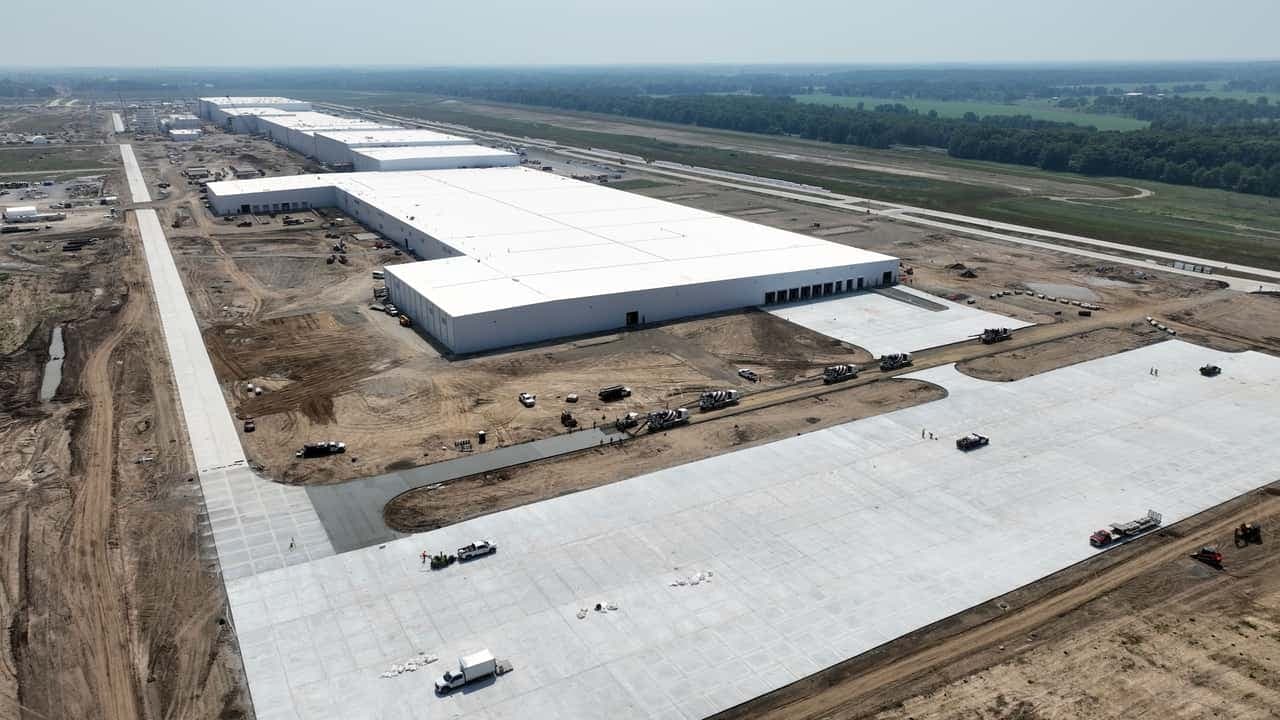
At the heart of the disagreement is the BlueOval Battery Park in Marshall, Michigan. This facility is specifically tasked with producing lithium iron phosphate (LFP) batteries, which are essential for powering more affordable electric vehicles, including the upcoming $30,000 Fathom EV pickup truck. The Department of Transportation is signaling that even a technology-licensing agreement with CATL, the world's preeminent LFP manufacturer, is unacceptable in the current geopolitical climate.
Ford’s Stance on Autonomy and Ownership
Ford has issued a firm rebuttal to the Secretary’s concerns, characterizing the administration's intervention as an attempt to generate headlines rather than a substantive policy critique. The automaker maintains a clear distinction between its operations and those of the Chinese firm, emphasizing that the Marshall plant is fully owned, controlled, and staffed by Ford personnel. According to the company, the arrangement with CATL is strictly limited to technology licensing and technical support services, which Ford argues is a standard industry practice to accelerate domestic production capabilities.
From Ford’s perspective, the investment represents a pivot toward building "American-made" batteries rather than importing finished packs from overseas. By utilizing CATL's proven, highly efficient LFP chemistry, Ford asserts it is better positioned to compete with global rivals while simultaneously driving down the cost of ownership for prospective EV buyers. The company further noted that the White House had recently lauded the Michigan facility, creating an environment of political inconsistency for the manufacturer.
Why it Matters: The Geopolitical EV Tug-of-War
- Supply Chain Sovereignty: Washington is increasingly focused on reducing reliance on Chinese technology, viewing it as a national security vulnerability.
- LFP Market Dominance: China currently dominates the production of lithium iron phosphate batteries, which are favored for their longevity and lower price points compared to traditional nickel-cobalt chemistries.
- Bipartisan Protectionism: While political ideologies differ on EV adoption, there is a rare, unified consensus in Congress to implement stricter tariffs and ownership limitations on foreign-influenced automotive technology.
- Economic Trade-offs: Critics of the administration's pressure campaign argue that forced isolation from Chinese technical expertise could slow the transition to EVs, potentially leaving U.S. manufacturers less competitive on the global stage.
The Future of American EV Manufacturing
The pressure on Ford is part of a broader, aggressive push by U.S. regulators to wall off the domestic auto industry from Chinese influence. This trend has already manifested in various ways, including a potential legislative bill that would restrict vehicle sales from companies with significant Chinese ownership, as well as the implementation of substantial tariffs on imported Chinese electric vehicles. As these policies tighten, the industry faces the difficult task of balancing the need for rapid technological advancement with strict compliance to an evolving and increasingly restrictive regulatory landscape. The resolution of the Ford-CATL dispute will likely serve as a litmus test for how other legacy automakers navigate their supply chain dependencies in the coming decade.