The Rise of the 15C Battery System
Sunwoda is drastically accelerating the pace of the electric vehicle charging revolution with the rollout of its Xingchi Supercharge Battery 2.0. At the heart of this system is a 15C-rated battery, an engineering marvel designed to redefine range anxiety. The unit features an energy content of 98.8 kWh and operates on a high-voltage 844.8-volt architecture. By leveraging a maximum charging current of 1,800 amperes, the system can reach a peak charging power of approximately 1.5 megawatts, theoretically enabling charging times that rival the convenience of stopping for a cup of coffee.
Performance metrics for the system are staggering. Sunwoda claims that at room temperature, the battery can charge from 10 to 70 percent in just five minutes and reach 97 percent capacity in under nine minutes. The company further highlights that a single minute of charging can provide roughly 100 kilometers of additional range. Notably, this performance holds firm even in challenging climates; at minus 20 degrees Celsius, the battery can still achieve a 10 to 97 percent charge in only 15 minutes. To ensure durability, the battery is backed by a warranty of ten years or 300,000 kilometers, with a cycle life rated at 1,500 full charges.
Building a Megawatt Charging Ecosystem
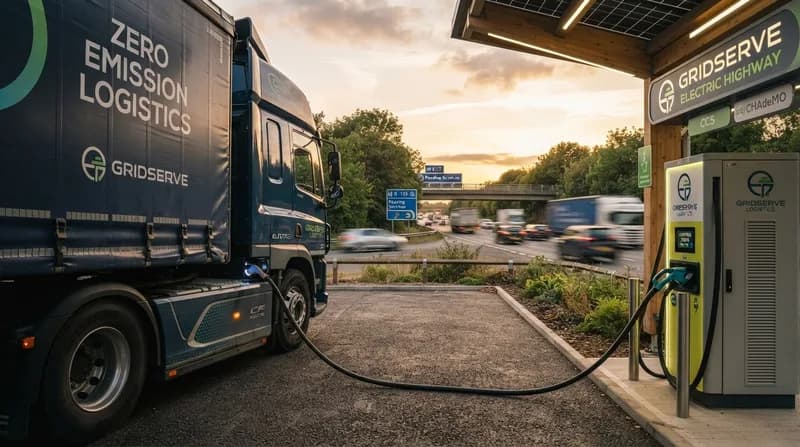
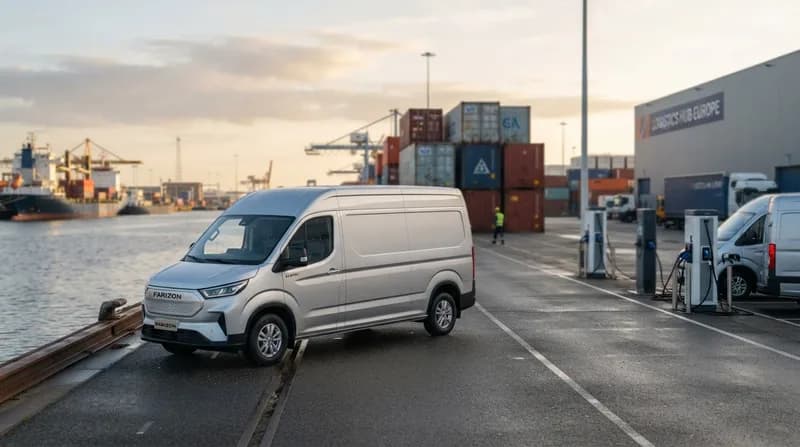
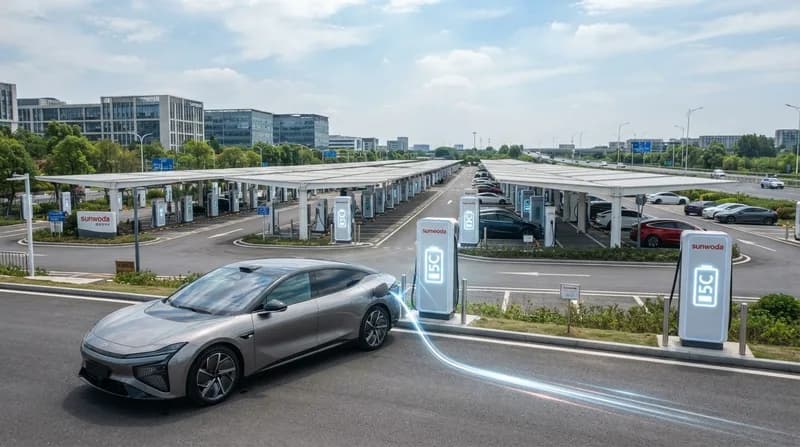
Recognizing that ultra-fast batteries are only as effective as the infrastructure supporting them, Sunwoda is launching a comprehensive, open-access megawatt charging (MCS) ecosystem. The company plans to deploy 10,000 of these high-performance charging stations by the end of 2027. This infrastructure strategy integrates stationary energy storage, photovoltaic energy collection, and liquid-cooled high-performance chargers into a unified, smart network. Unlike closed-loop proprietary systems, Sunwoda’s platform is designed to be brand-agnostic, supporting a wide range of electric vehicles regardless of the battery supplier.
Why It Matters
- Eliminating Charge-Time Barriers: By enabling a near-full charge in under 10 minutes, Sunwoda is addressing the single largest hurdle to mass EV adoption: charging downtime.
- Grid Integration: The integration of stationary energy storage and renewables suggests a modular approach that reduces the burden on local power grids during peak demand.
- System Health Intelligence: Beyond speed, the ecosystem incorporates 'Smart Battery Cells 3.0' and an AI-driven cloud platform. This system acts as a preventative maintenance suite, capable of identifying 20 types of potential battery faults with 99.77 percent accuracy, predicting issues up to ten days before they manifest.
Competitive Landscape and Future Outlook
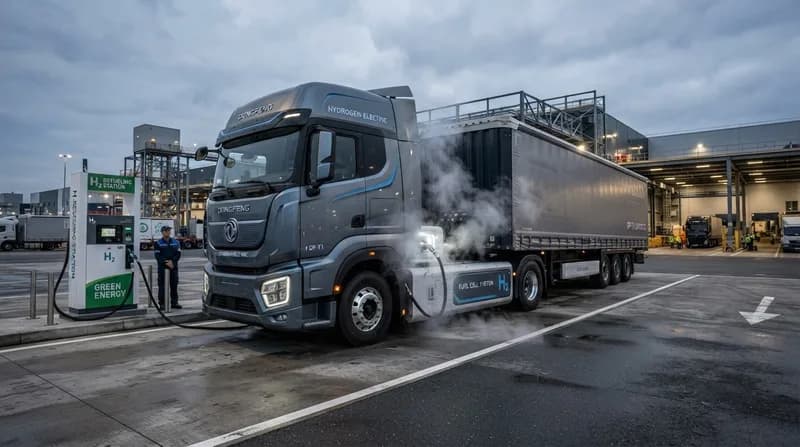
Sunwoda is positioning itself at the forefront of a heated race among Chinese manufacturers to dominate the ultra-fast charging sector. Other industry leaders like BYD, Dongfeng, and Hongqi are simultaneously pushing the boundaries of charging power, with some already deploying stations that push the 1,500 kW barrier. This rapid escalation in infrastructure capacity is effectively turning the charging station into a utility-grade asset.
While Sunwoda has yet to disclose the specific locations for its 10,000-station network or the exact capital expenditure involved, the company's commitment to an open platform suggests a push for rapid, widespread adoption. As the industry shifts from standard rapid charging to megawatt-level systems, the synergy between advanced battery chemistry and robust, intelligent infrastructure will likely define the next generation of global electric mobility.