E-BUZZ ME Logo
ScienceTechnical Deep Dive

Stress Drinking's Dark Secret: Permanent Brain Rewiring Uncovered

Published
Stress Drinking's Dark Secret: Permanent Brain Rewiring Uncovered
1 min read133 words

The Gist

New research suggests that turning to alcohol as a coping mechanism for stress, especially during youth, could lead to irreversible changes in the brain's structure and function.

The Vicious Cycle of Stress and Alcohol

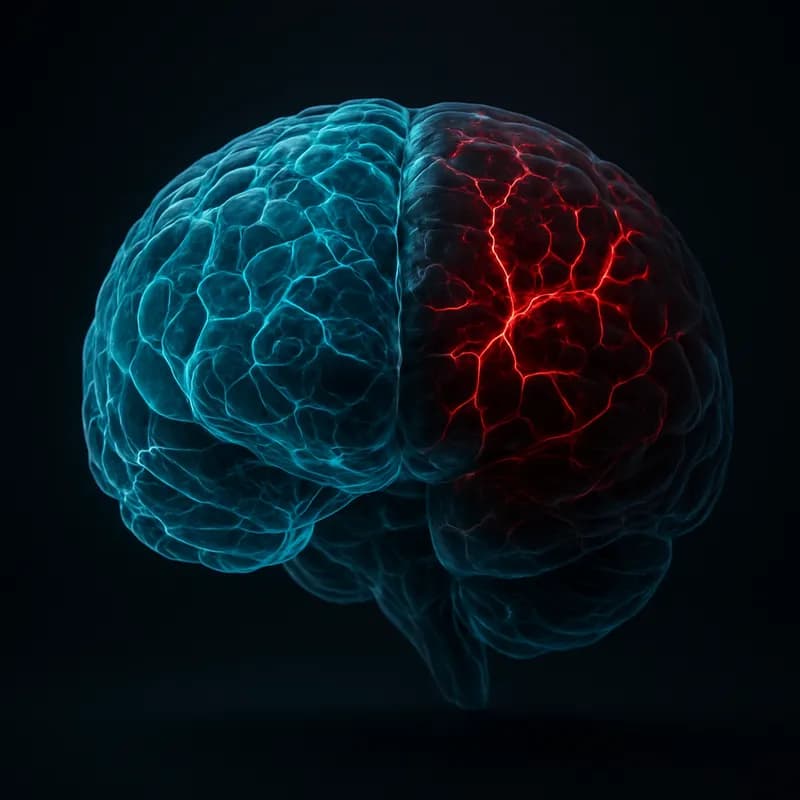
A recent study has shed light on a concerning link between using alcohol to manage stress during one's formative years and lasting changes to the brain. This coping mechanism, often adopted when young, may not just be a fleeting habit but could permanently alter neural pathways, impacting how individuals adapt to future challenges.

Researchers observed several profound effects:

  • Difficulty in adapting to new stressful situations.
  • A significantly increased risk of returning to alcohol use later in life.
  • Alarming indications of brain damage associated with early dementia.

These findings suggest that the brain's vulnerability during youth means that alcohol's impact can be far-reaching, with consequences that may persist long after an individual has stopped drinking. It's a stark reminder of the long-term costs of short-term stress relief.


Related Stories

Semantically matched articles, ranked by topic overlap and freshness.

Neural Switch Discovered Controlling Bee Colony Labor Division
Science68%

Neural Switch Discovered Controlling Bee Colony Labor Division

Researchers have identified specific brain circuits that dictate the professional roles of honeybees as they age.

Childhood Sugary Drink Consumption Linked to Adult Hypertension
Science65%

Childhood Sugary Drink Consumption Linked to Adult Hypertension

A long-term study suggests that frequent consumption of sodas and sports drinks during childhood significantly increases the risk of high blood pressure later in life.

Breakthrough Fluoride-Free Gel Could Regrow Damaged Tooth Enamel
Science62%

Breakthrough Fluoride-Free Gel Could Regrow Damaged Tooth Enamel

Researchers have developed a protein-inspired gel that mimics natural tooth formation to repair microscopic cracks and rebuild enamel.

Predictable Antarctic Ice Loss Offers Decades for Sea Level Preparation
Science60%

Predictable Antarctic Ice Loss Offers Decades for Sea Level Preparation

New research suggests that Antarctic ice retreat may remain predictable through 2050, giving governments a critical window to implement coastal defenses.

Natural Plant Compound Shows Promise in Combating Rheumatoid Arthritis
Science60%

Natural Plant Compound Shows Promise in Combating Rheumatoid Arthritis

Researchers have identified a plant-derived compound that reduces joint damage and rebalances immune activity in animal models, offering a potential new treatment pathway.

Global Shift to Healthier Diets Could Slash Farm Emissions by 85%
Science58%

Global Shift to Healthier Diets Could Slash Farm Emissions by 85%

A transition toward more nutritious food choices could revolutionize global agriculture and significantly reduce the environmental impact of livestock farming by 2050.

Acoustic Stimulation: Can Sound Frequencies Boost Crop Yields?
Science58%

Acoustic Stimulation: Can Sound Frequencies Boost Crop Yields?

Startup Haivya is utilizing specialized acoustic signals to boost plant development, reporting significant yield increases in crops like soybean and pepper.

Drone Navigation Firms Develop Solutions to Combat Battlefield Jamming
Tech & Gadgets58%

Drone Navigation Firms Develop Solutions to Combat Battlefield Jamming

New navigation systems are emerging to keep drones airborne despite intense GPS spoofing and electronic countermeasures.