A Second Life for EV Batteries
Stockholm-based startup Rebaba has officially secured nearly €4 million in a successful seed funding round, signaling a significant push toward a more circular battery economy. Founded in 2023 by a team of former Northvolt employees—Paula Runsten and Felix Kruse—the company is carving out a niche in the green energy sector by repurposing decommissioned electric vehicle batteries into stationary energy storage systems.
The funding, which amounted to 44.1 million SEK, was led by Sistafund and EIT Urban Mobility. This capital injection is earmarked to scale the company’s manufacturing operations, specifically targeting the expansion of their CircularHub facility in Stockholm, where they aim to reach an annual production capacity of 40 MWh. By doing so, Rebaba estimates it can offset approximately 4,000 tonnes of carbon dioxide annually.
The Technology Behind the Circular Vision
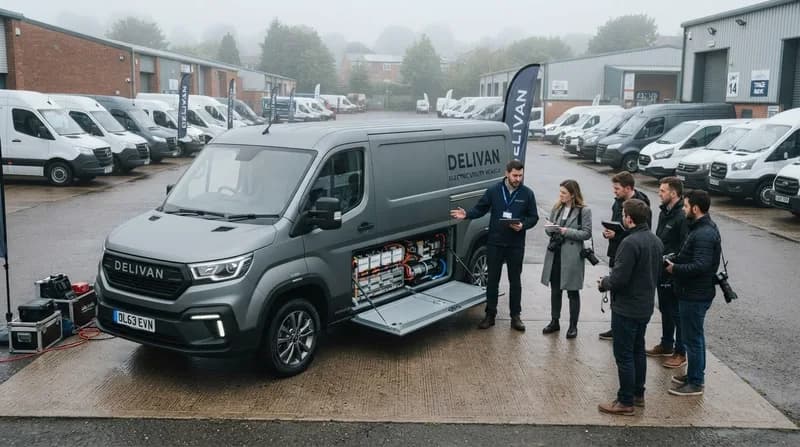
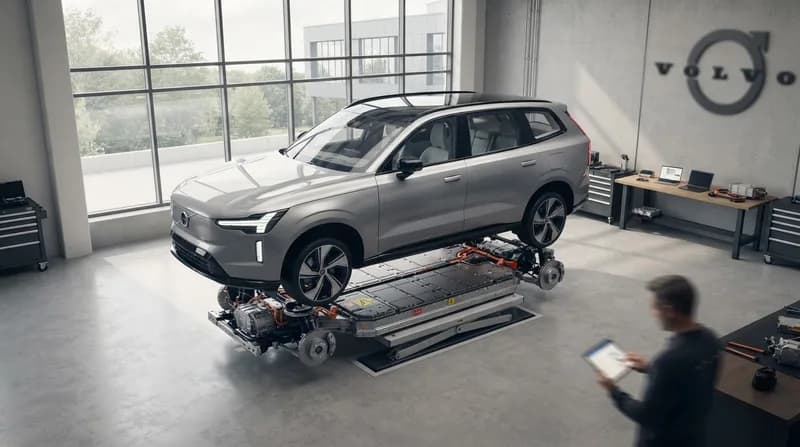
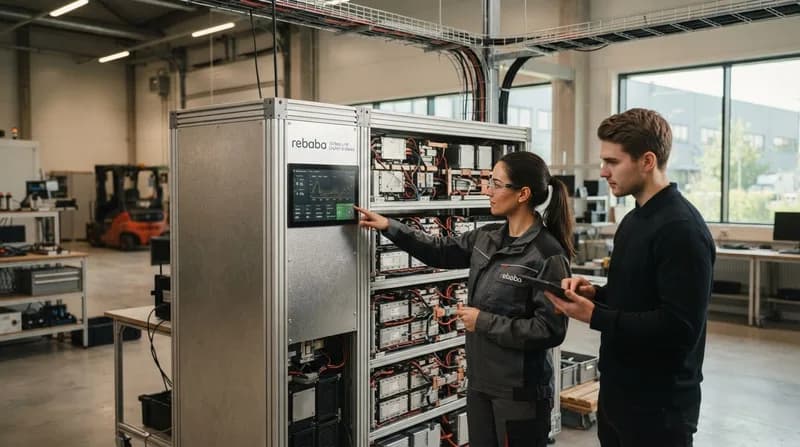
Rebaba’s core value proposition rests on the fact that electric vehicle batteries are typically retired while retaining 70% to 80% of their total capacity. By applying their patent-pending technology, the startup is able to integrate these units into reliable, stationary grid-balancing assets. The company currently markets two primary products:
- Companion: A compact, cabinet-based 40-kWh unit designed specifically for residential and smaller commercial deployments.
- Containerised: A larger, industrial-grade solution built for scalability, capable of handling complex tasks like peak shaving, load shifting, and supporting local renewable energy generation.
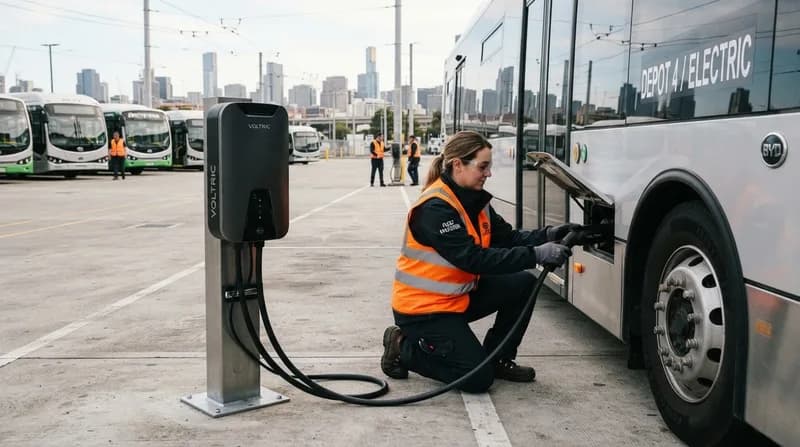
Beyond the technical specs, the firm is aggressively pursuing European market penetration through strategic partnerships. This includes a notable collaboration with Cologne-based Nanuq, focused on the critical task of depot electrification. By deploying these systems, commercial clients can potentially reduce energy costs and mitigate grid congestion without needing to rely on the production of brand-new, resource-intensive battery cells.
Why It Matters
The energy transition faces a two-fold challenge: the urgent need for massive storage capacity to manage intermittent renewables and the environmental impact of raw material extraction. Rebaba addresses both simultaneously. As co-founder Paula Runsten notes, projections suggest that by 2028, the volume of retired EV batteries will exceed the total global demand for stationary storage. By creating a scalable system for the reuse of these batteries, companies like Rebaba are demonstrating that the energy infrastructure of the future may already exist in the form of today’s electric vehicles.
Outlook and Implications
With plans to open additional production sites across Europe, Rebaba is positioning itself to be a key player in the continent's energy independence. The strategy is to minimize reliance on global battery supply chains by utilizing the local stock of batteries that are already in circulation. As the startup continues to refine its software and hardware integration, its success will serve as a vital case study for whether circular economy models can realistically compete with traditional energy storage manufacturing in the long term.