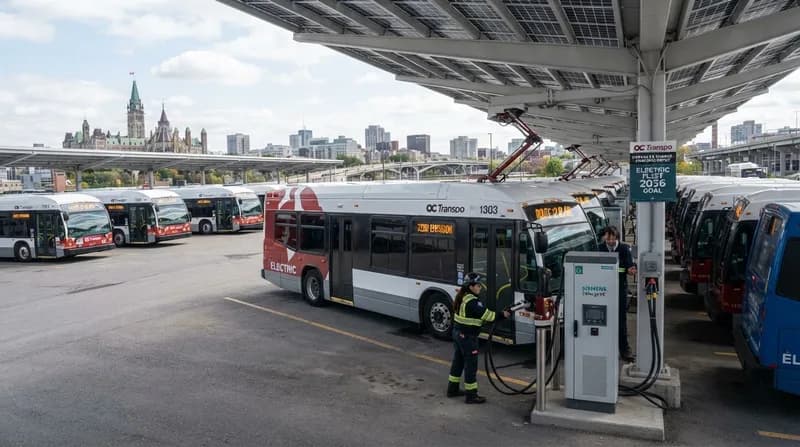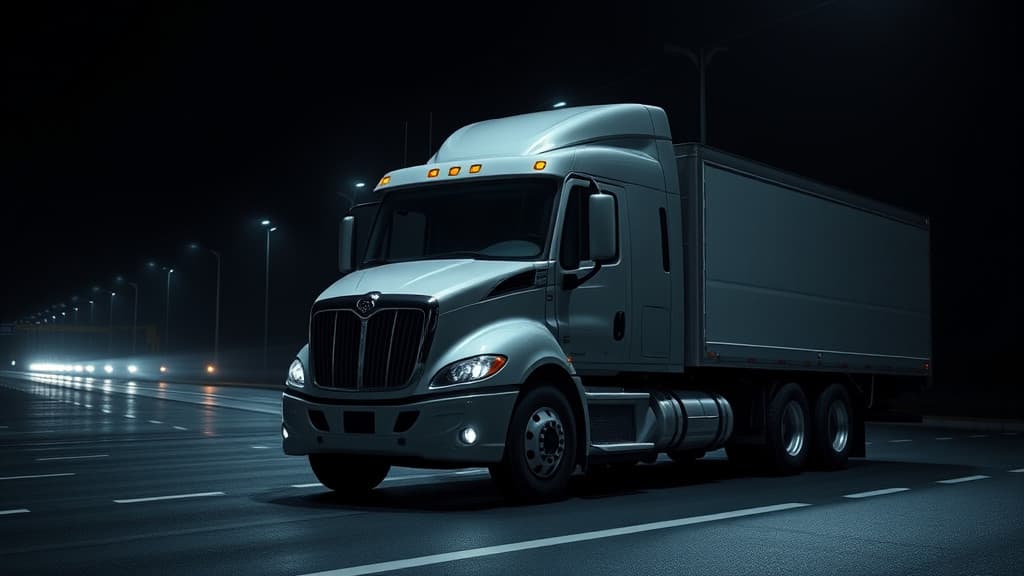
South Korea is accelerating its transition to sustainable transport with the introduction of new draft regulations targeting carbon emissions from the commercial sector. Starting in 2027, the government plans to mandate CO2 reductions for medium- and heavy-duty commercial vehicles, a move specifically designed to catalyze the adoption of battery-electric and hydrogen-powered trucks and buses.
Expanding Electrification Incentives
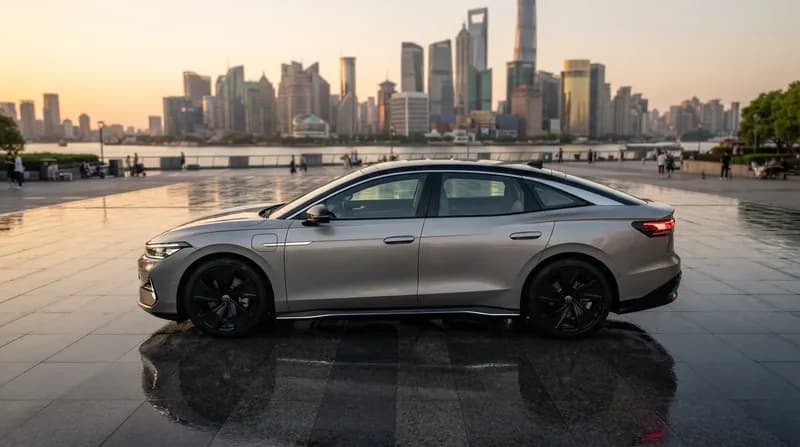
The proposed rules do not stop at heavy transport; they also include provisions to extend existing compliance incentives for electrified passenger cars. By broadening these benefits, South Korean authorities aim to maintain momentum in the consumer EV market while simultaneously tackling the more challenging decarbonization of logistics and public transit.
The policy shift reflects South Korea's broader strategy to reduce its industrial carbon footprint and establish a robust infrastructure for hydrogen and electric heavy machinery. Manufacturers are expected to pivot production focus toward zero-emission powertrains to meet the upcoming 2027 standards.