A Masterclass in Efficiency
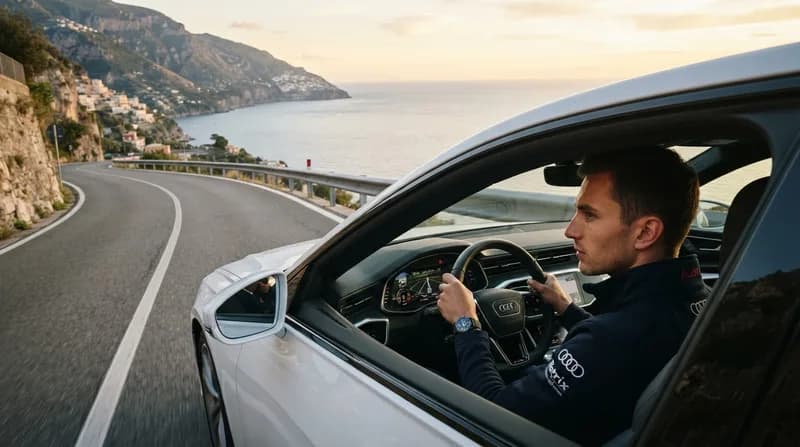
In a stunning demonstration of electric vehicle potential, professional rally driver Miko Marczyk has set an official Guinness World Record by piloting an Audi A6 Sportback e-tron performance for 1,338 kilometers on a single battery charge. The journey, which spanned over 45 hours, saw the vehicle navigate through diverse Polish landscapes, including bustling city centers and open stretches along the Vistula River. By the time the vehicle finally came to a halt near the Baltic coast, it had obliterated its official WLTP range estimate of 777 kilometers by nearly double, proving that the synergy between advanced aerodynamics and battery management is reaching new heights.
Technical Precision Behind the Record
The record-setting run was achieved using the A6 Sportback e-tron performance model, which is built upon Audi's sophisticated Premium Platform Electric (PPE). The vehicle is equipped with a 94.9 kWh (net) battery and benefits from a high-voltage 800-volt architecture. Central to this achievement was the car’s industry-leading drag coefficient of 0.21, which Audi identifies as the lowest of any production vehicle in its current lineup. This aerodynamic efficiency is critical; at typical cruising speeds, air resistance accounts for roughly 40 percent of total energy consumption. By minimizing this drag, the vehicle was able to maintain an astonishing average consumption of just 7.09 kWh per 100 kilometers.
Key Drivers of the Efficiency Feat
- Regenerative Braking Power: The system is capable of recovering up to 220 kW of energy during deceleration, allowing the driver to complete approximately 95 percent of routine braking maneuvers without ever engaging the friction brakes.
- Strategic Driving Dynamics: Miko Marczyk employed disciplined rally-honed techniques, including maintaining a steady, anticipatory pace, optimizing tire pressures, and minimizing unnecessary acceleration.
- Advanced Thermal Management: Despite fluctuating temperatures that dropped as low as seven degrees Celsius, the vehicle’s powertrain maintained peak operational efficiency throughout the two-day trek.
What This Means for the Future of EV Travel
While this record is a technical tour de force rather than a representation of typical daily driving—which would involve high-speed highway travel and significant climate control usage—the implications are profound. This stress test in the opposite direction proves that when all variables, from rolling resistance to sophisticated drivetrain software, are optimized, the potential for electric mobility is far greater than standard consumer estimates suggest. The feat confirms that the current generation of electric hardware is not merely capable of meeting the needs of modern drivers, but is capable of extreme resilience under precise, efficiency-focused conditions.
Marczyk, known for his previous long-distance records in internal combustion vehicles, has successfully transitioned his expertise in fuel conservation to the electric domain. By trading liters of diesel for kilowatt-hours, the experiment provides engineers with valuable data on how drivetrain components interact during long-duration, low-consumption cycles, offering a roadmap for the next generation of range-optimized electric vehicles.