Revolutionizing Heavy-Duty Electric Transport
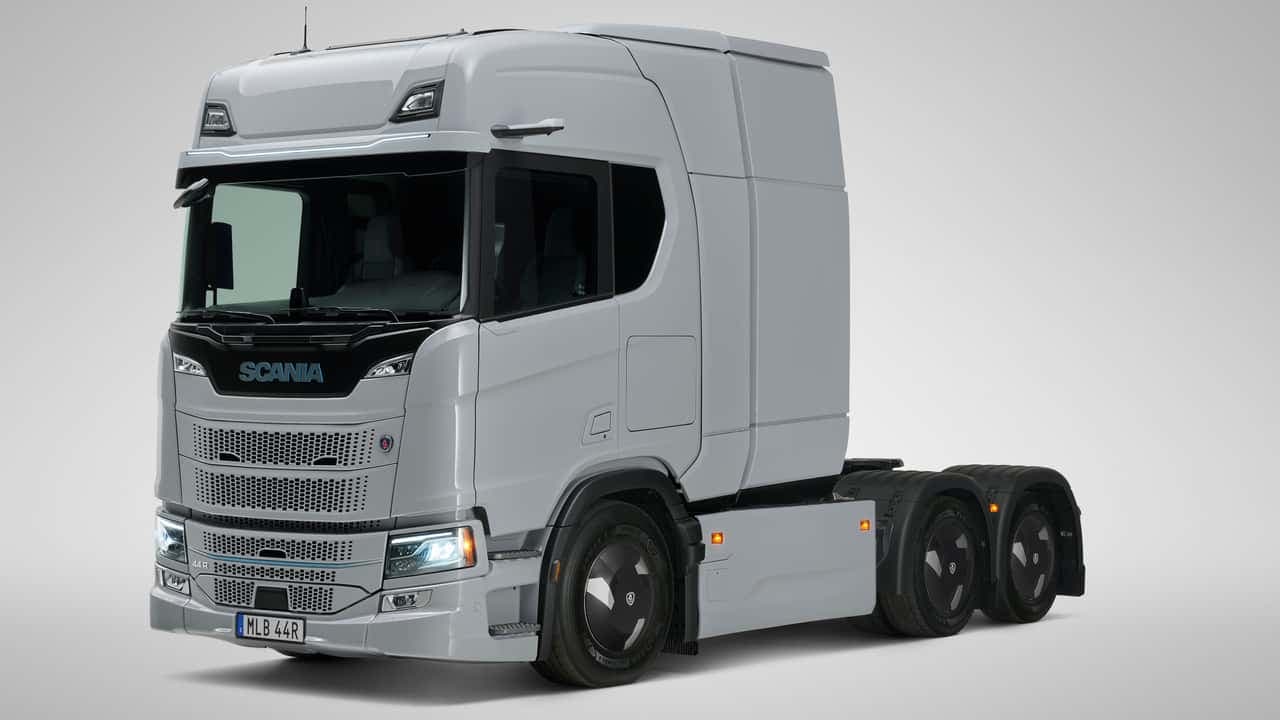
The push to electrify the heavy-duty logistics sector has reached a significant milestone as Scania, the Swedish powerhouse under the Volkswagen Group umbrella, introduces a game-changing battery solution for its electric big rigs. By strategically positioning high-capacity battery units behind the cab, the company has unlocked a remarkable driving range of up to 447 miles (720 kilometers). This development addresses one of the most persistent hurdles in commercial trucking: the necessity of long-haul capability without forcing drivers into frequent, operation-disrupting charging stops.
This configuration adds up to 356 kWh of additional energy capacity beyond the standard chassis-mounted battery packs. This setup allows the 6x2 tractor to handle challenging European long-haul routes while adhering to standard driver rest-period regulations. Lars Gustafsson, Senior Vice President and Head of Solutions Management at Scania, emphasized that this move is about more than just battery placement; it is a holistic approach to range, payload, and charging efficiency that makes electric freight a viable replacement for diesel in segments previously thought too difficult to transition.
Aerodynamic Innovation and Charging Power
To maximize the efficiency of this increased battery capacity, Scania has integrated a new aerodynamic design known as the Increased Vehicle Dimension (IVD) cab. This slightly elongated front profile is engineered to slice through the air with greater efficiency, resulting in a 3% reduction in energy consumption compared to conventional designs. While the name may sound purely technical, the cumulative energy savings over thousands of miles of highway driving are substantial, further extending the reach of the vehicle.
Charging infrastructure remains a critical component of the platform's utility. The new system supports the Megawatt Charging System (MCS), capable of delivering power at up to 750 kW, ensuring that when the vehicle does need a top-up, it spends minimal time plugged in. For sites without MCS access, the truck remains compatible with standard CCS charging at up to 375 kW. While the addition of these batteries does impact total potential payload capacity due to the increased weight, the tradeoff is viewed as a necessary step for operators looking to modernize their fleets without sacrificing their ability to traverse long distances.
Why It Matters: Bridging the Range Gap
- Competitive Edge: With a 447-mile range, Scania’s offering significantly outpaces the capabilities of currently available European-spec heavy-duty electric alternatives, positioning the Volkswagen Group as a leader in industrial decarbonization.
- Infrastructure Ready: The integration of 750 kW MCS support ensures these trucks are future-proofed for the rapid expansion of high-speed commercial charging hubs.
- Design Optimization: The use of an aerodynamically optimized IVD cab demonstrates how small, incremental gains in drag reduction can yield meaningful operational advantages in heavy transport.
- Standardized Performance: This announcement complements the launch of the MAN eTGX—also a Volkswagen Group vehicle—which leverages similar technology to deliver identical range figures, signaling a coordinated effort to standardize high-performance electric heavy-haulers.