BYD Qin and Tang Series Brake Recall
The Chinese automotive giant BYD is currently navigating a major safety recall involving 183,211 electric vehicles. According to the State Administration for Market Regulation (SAMR), the recall targets specific units from the popular Qin and Tang model lineups, manufactured between the years 2014 and 2022. The core issue centers on a manufacturing defect located within a batch of brake pedal stop buffers. Over time, these components may degrade, tear, or detach entirely from the assembly.
This hardware defect poses a peculiar but significant road safety concern: the potential for brake lights to remain permanently illuminated. Because the vehicle's electrical system may register an active braking state regardless of the driver's input, other motorists could be misled, potentially leading to confusion or secondary accidents. BYD has committed to addressing the issue by providing free-of-charge replacements of the affected stop buffers through its network of authorized service centers. This intervention is part of a proactive effort to ensure the long-term reliability of these high-volume EV platforms.
Nio Firefly Steering System Intervention
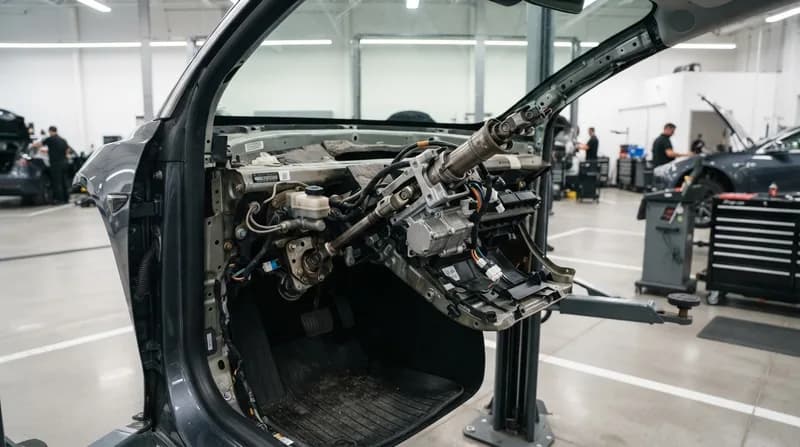
In a separate regulatory action, the SAMR has also mandated a recall for a smaller cohort of vehicles manufactured by Nio. Specifically, 686 units under the Firefly brand are subject to inspection and repair. The technical concern here involves a potential manufacturing flaw within a component of the electric power steering system. If left unaddressed, the defect could lead to a sudden loss of steering assistance, forcing the driver to exert significantly more effort to control the vehicle's direction.
Nio is addressing this critical safety concern by conducting thorough physical inspections of the affected steering assemblies. In cases where the defect is identified, the company will replace the faulty wiring harness free of charge. While the scale of this recall is significantly smaller than the one affecting BYD, it highlights the increasing scrutiny from Chinese regulators regarding the mechanical integrity of rapidly mass-produced electric mobility hardware.
Why It Matters: Balancing Growth with Reliability
The automotive sector in China is currently witnessing an unprecedented phase of growth, with manufacturers like BYD recently hitting milestones such as selling over 250,000 battery-electric vehicles in a single month. However, this aggressive scaling has brought the issue of quality control into sharp focus. With billions of dollars in R&D and manufacturing capacity, the industry is now facing the reality that scaling volume must be matched by rigorous attention to component life cycles.
This latest string of recalls follows a massive industry-wide event in August 2026, where over four million vehicles from brands like Tesla, Xiaomi, and Xpeng were recalled over door-release safety concerns. For the industry, these events signal a move toward more stringent hardware auditing, ensuring that long-term safety features like pedal buffers and power steering harnesses meet the same high standards as the digital software ecosystems that define modern EV ownership.